Extrusion Machine Introduction: Explore Industrial Processing Methods and Equipment
An extrusion machine is industrial equipment used to transform materials into products with a continuous, controlled shape.
Extrusion is widely associated with plastics, but the process can also be used with metals, rubber, food materials, ceramics, and other compounds. The basic method involves pushing or forcing prepared material through a shaped opening known as a die.
Understanding an extrusion machine helps explain how raw materials are processed into pipes, sheets, profiles, films, tubing, cables, pellets, and other continuous products. This guide provides an introduction to extrusion technology, common equipment, processing methods, recent developments, safety considerations, and useful resources.
Context – Understanding Extrusion Machines
Extrusion is a continuous manufacturing process in which material moves through a machine and passes through a die that determines its cross-sectional shape. Depending on the material and application, the process can involve heating, mixing, melting, compressing, cooling, and sizing.
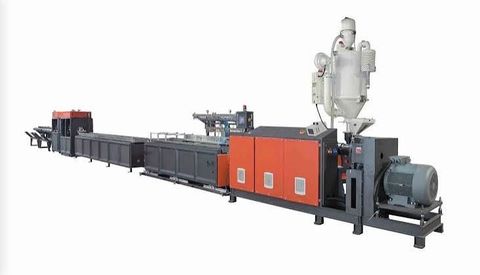
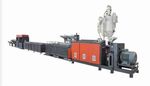
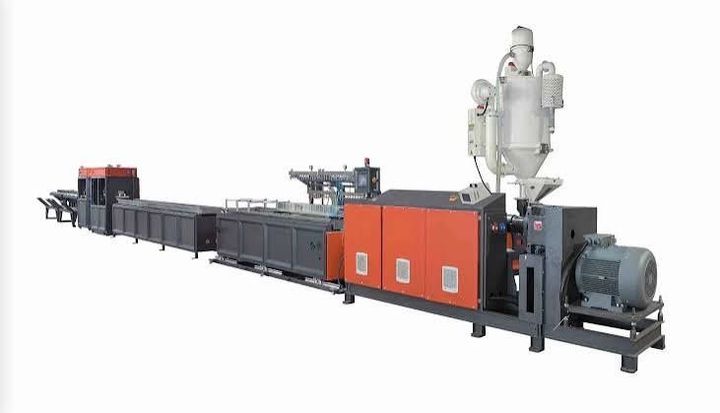
A typical plastic extrusion machine includes a feed system, hopper, screw, barrel, heating and cooling zones, die, and downstream equipment. The screw moves material through the barrel while controlling residence time, pressure, and mixing.
There are several common extrusion machine types:
| Extrusion Type | Common Materials | Typical Applications |
|---|---|---|
| Plastic extrusion | Thermoplastics | Pipes, profiles, sheets |
| Film extrusion | Polymer materials | Flexible films |
| Blow extrusion | Thermoplastics | Hollow products |
| Metal extrusion | Aluminum and other metals | Rods, tubes, profiles |
| Food extrusion | Grains and food mixtures | Snacks, cereals, pet food |
| Rubber extrusion | Rubber compounds | Seals, tubes, profiles |
Extrusion equipment can use single-screw or twin-screw systems. Single-screw machines are commonly used for straightforward melting and conveying, while twin-screw systems can provide enhanced mixing and processing flexibility.
Importance – Why Extrusion Technology Matters
Extrusion machines are important because they support continuous processing and consistent product geometry. Industries can use different dies and downstream systems to produce materials with specific dimensions and physical characteristics.
The technology affects several industrial sectors, including:
- Plastics and polymer processing
- Construction materials
- Automotive components
- Electrical and cable manufacturing
- Food processing
- Packaging materials
- Metal processing
- Medical and laboratory products
Process control is an important part of extrusion. Temperature, pressure, screw speed, feed rate, cooling conditions, and die design can influence the resulting product.
For operators and engineers, understanding these variables helps with process monitoring and quality control. Maintenance personnel also need to understand mechanical, electrical, thermal, and material-handling hazards associated with the equipment.
Recent Updates – Trends and Developments
Recent extrusion technology has increasingly focused on process monitoring, automation, energy management, material efficiency, and digital controls. Modern systems can integrate sensors and programmable controllers to monitor operating conditions continuously.
One important development is the use of digital monitoring. Sensors can collect information about:
- Barrel temperature
- Melt pressure
- Motor load
- Screw speed
- Material throughput
- Cooling conditions
- Energy consumption
Automation can help maintain consistent processing conditions by adjusting selected parameters according to programmed limits.
Another area of development is improved screw and die design. Engineering changes can help processors handle recycled materials, blends, and materials with different flow characteristics.
Recycling is also influencing extrusion technology. Reprocessed polymer materials may require different drying, filtration, temperature control, and mixing conditions compared with virgin materials. Equipment configurations are therefore increasingly designed around specific material characteristics.
Energy management is another area of technical attention. Heating systems, motors, cooling systems, and process controls can all influence the energy required for extrusion. Monitoring energy use can help identify operating conditions that require further technical evaluation.
Laws or Policies – Safety and Regulatory Considerations
Extrusion equipment is subject to different safety and machinery requirements depending on the country, industry, machine design, and workplace environment. Operators should therefore consult the regulations applicable to their specific location.
In the United States, OSHA's general machine-guarding requirements include protections against hazards from point-of-operation areas, ingoing nip points, rotating parts, and other machine hazards. OSHA also identifies lockout/tagout requirements for controlling hazardous energy during maintenance activities.
OSHA's plastics-industry guidance also identifies machinery hazards and references applicable machine-guarding requirements. OSHA notes that there is not one single OSHA standard specifically covering the entire plastics industry; relevant general-industry standards can apply depending on the hazard.
In the European Union, Regulation (EU) 2023/1230 establishes a modern machinery-safety framework. The regulation is scheduled to apply from 20 January 2027, with certain provisions applying earlier. Manufacturers and organizations placing machinery on the EU market should review the regulation and applicable conformity requirements.
Important safety practices commonly include:
- Keeping guards correctly installed
- Controlling hazardous energy during maintenance
- Monitoring high-temperature surfaces
- Using appropriate personal protective equipment
- Training operators on machine controls
- Maintaining emergency-stop and safety systems
- Following documented operating procedures
Local environmental, electrical, workplace-safety, pressure, emissions, and waste-management requirements may also apply depending on the extrusion process.
Tools and Resources – Useful Information for Extrusion Processing
Several resources can help students, engineers, operators, and technical teams understand extrusion machine operation.
Useful resources include manufacturer technical manuals, machinery standards, government safety websites, engineering references, material datasheets, and process-calculation tools.
Common technical calculations may involve:
- Material throughput
- Screw speed
- Residence time
- Melt temperature
- Pressure
- Die dimensions
- Cooling requirements
- Energy consumption
For workplace safety information, the OSHA machine-guarding resources provide explanations of guarding principles, point-of-operation hazards, and lockout/tagout practices.
Technical teams can also use process-monitoring software and programmable control systems to record machine conditions. Historical data can help identify changes in temperature, pressure, throughput, or motor load.
For organizations working with machinery in Europe, EUR-Lex provides access to Regulation (EU) 2023/1230 and related legislative information.
When selecting technical references, it is useful to check:
- Material compatibility
- Machine specifications
- Applicable safety requirements
- Process temperature ranges
- Die and screw configuration
- Maintenance instructions
- Environmental conditions
FAQs – Extrusion Machine Information
What is an extrusion machine?
An extrusion machine is equipment that continuously processes material and forces it through a shaped die. The die determines the basic cross-sectional form of the output.
What materials can extrusion machines process?
Depending on the machine design, extrusion can process plastics, rubber, metals, food mixtures, ceramics, and other materials. Each material requires suitable temperature, pressure, tooling, and processing conditions.
What is the difference between single-screw and twin-screw extrusion?
A single-screw system uses one rotating screw and is widely used for conveying and melting polymers. A twin-screw system uses two screws and can provide greater mixing and processing flexibility for certain materials.
What factors affect extrusion quality?
Important factors include material preparation, temperature, screw speed, feed rate, pressure, die design, cooling, and downstream sizing. Incorrect settings can affect dimensions, surface appearance, strength, and consistency.
Is extrusion machine safety regulated?
Yes. Machinery safety requirements vary by jurisdiction. For example, OSHA requirements in the United States address machine guarding and hazardous-energy control, while the European Union has its own machinery-safety framework.
Conclusion – Key Extrusion Machine Insights
An extrusion machine is an important part of continuous industrial processing. It converts prepared materials into consistent shapes through controlled conveying, heating, mixing, forming, and cooling processes.
Different extrusion systems are designed for different materials and applications. Understanding machine components, process variables, safety requirements, and current technology developments provides a useful foundation for studying extrusion processing.
Modern extrusion systems increasingly combine mechanical equipment with sensors, automation, process controls, and data monitoring. These developments can help technical teams understand machine performance and maintain controlled operating conditions.
For anyone learning about extrusion technology, a useful starting point is to study the machine structure, material flow, die design, process parameters, downstream equipment, and applicable safety requirements. Consulting current technical documentation and regulations is important before operating or modifying industrial equipment.