CNC Milling Machines Resources: Explore Machine Types, Processes, Tools, and Controls
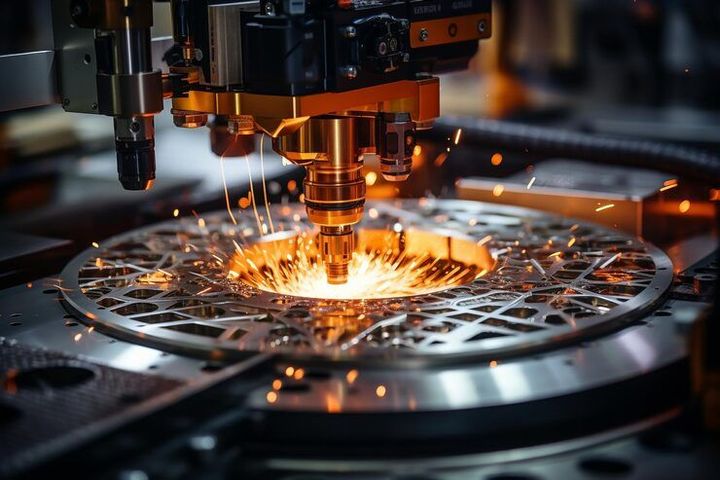
CNC milling machines are computer-controlled machine tools used to remove material from a workpiece and create precise shapes, holes, slots, surfaces, and complex features.
CNC stands for computer numerical control, meaning programmed instructions guide machine movements during the machining process.
This CNC Milling Machines Resources guide explains common machine types, milling processes, cutting tools, control systems, safety considerations, and useful learning resources. The information is intended to provide a clear introduction for students, technicians, engineers, researchers, and general readers interested in CNC machining.
Context
CNC milling machines developed from conventional milling equipment as numerical control and computer technology became increasingly integrated with manufacturing. A conventional milling machine generally requires an operator to control movements manually, while a CNC system follows programmed instructions to coordinate machine movements.
A typical CNC milling system includes a machine structure, spindle, workholding system, cutting tools, drive mechanisms, control unit, and computer-based programming interface.
The machine removes material through controlled cutting. Depending on the machine configuration, the cutting tool or workpiece can move along multiple axes.
Common CNC milling machine types include:
| Machine type | Main characteristic | Typical application |
|---|---|---|
| 3-axis mill | Movement along three primary axes | General machining |
| 4-axis mill | Adds rotational movement | Features around multiple sides |
| 5-axis mill | Multiple simultaneous tool orientations | Complex components |
| Vertical mill | Spindle is oriented vertically | General precision work |
| Horizontal mill | Spindle is oriented horizontally | Heavy or side machining |
| CNC machining center | Integrated automated functions | Repeated component production |
The milling process can include face milling, slot milling, pocket milling, contouring, drilling, boring, and other operations. The selected process depends on the geometry, material, tolerance, surface requirements, and machine configuration.
Importance
CNC milling machines are important because computer-controlled movements allow manufacturers to produce repeatable geometries and detailed components. CNC technology is used across industries such as aerospace, automotive, electronics, medical equipment, energy, tooling, and general manufacturing.
The process can support both relatively simple components and highly complex geometries. CNC programming also allows a machining sequence to be documented and repeated when the same specifications are required.
Several factors influence milling results:
- Cutting speed
- Feed rate
- Depth of cut
- Tool geometry
- Workpiece material
- Machine rigidity
- Workholding
- Coolant or cutting-fluid conditions
- Tool condition
- Programming accuracy
Understanding these variables helps explain why two machining processes using similar equipment can produce different results.
CNC milling also affects engineering education. Students can learn how computer-aided design, computer-aided manufacturing, machining theory, programming, and measurement connect within a manufacturing workflow.
Recent Updates
Recent CNC milling developments have focused on automation, digital monitoring, improved control systems, machine connectivity, and more sophisticated machining strategies.
Modern CNC controls can provide graphical interfaces, tool-management functions, program simulation, diagnostics, and data monitoring. Some systems can connect with manufacturing software and digital production platforms.
Important technology trends include:
- Multi-axis machining
- Digital machine monitoring
- Tool-condition monitoring
- Automated tool changing
- Collision detection and simulation
- CAD/CAM integration
- Connected manufacturing systems
- Improved spindle technology
- Automated workpiece measurement
- Data-based process monitoring
CAD/CAM software is also increasingly important. Engineers can create a digital component model in CAD software and then use CAM software to generate toolpaths. The resulting numerical-control program can be reviewed and simulated before machining.
Machine simulation can help identify potential collisions, incorrect tool movements, or other programming issues before a physical machining operation begins.
Another development is the integration of measurement systems with CNC equipment. Probes can help determine workpiece position, measure selected features, and support automated setup procedures.
Laws or Policies
CNC milling operations are affected by workplace safety requirements, machine safeguarding rules, electrical requirements, environmental regulations, and other standards. Specific requirements depend on the country, workplace, machine configuration, and materials being processed.
In the United States, the Occupational Safety and Health Administration provides workplace safety requirements relevant to machine guarding, hazardous energy control, and other manufacturing activities.
In the European Union, machinery-related requirements address safety and conformity considerations for machinery placed on the market or put into service. Applicable requirements depend on the machinery and the regulatory framework in effect.
In India, workplace and industrial safety requirements can involve national and state-level rules, along with applicable occupational safety legislation and standards.
Important safety areas include:
- Machine guarding
- Emergency stops
- Electrical safety
- Lockout and hazardous-energy controls
- Cutting-tool handling
- Workpiece security
- Chip management
- Personal protective equipment
- Operator training
- Safe maintenance procedures
Technical standards can provide additional guidance for machine design, controls, guarding, and safe operation. Organizations should consult current official regulations and applicable standards for their jurisdiction rather than relying on general summaries.
Tools and Resources
Learning CNC milling becomes easier when machining theory is combined with practical programming and digital simulation. Educational resources can cover machine components, coordinate systems, cutting parameters, tooling, G-code, CAD/CAM workflows, and measurement.
Useful resources include:
- CNC machine manuals
- CNC control documentation
- CAD/CAM learning materials
- Machining handbooks
- Tool manufacturer technical guides
- Engineering reference tables
- CNC programming references
- Machine simulation software
- Metrology resources
- Government workplace-safety publications
Calculators and reference tables can help estimate machining parameters. Common calculations include spindle speed, feed rate, cutting speed, material-removal rate, and machining time.
For example, cutting speed and spindle speed are related to the tool diameter. A simplified relationship can be represented as:
Cutting speed = π × tool diameter × spindle speed
The exact units and calculation method depend on the measurement system being used.
Tool selection is another important part of CNC milling. Common cutting tools include end mills, face mills, drills, ball-nose cutters, chamfer tools, and specialty cutters. Tool material and geometry should correspond with the workpiece material and machining conditions.
FAQs
What are CNC milling machines?
CNC milling machines are computer-controlled machine tools that remove material from a workpiece using rotating cutting tools and programmed movements.
What are the main CNC milling machine types?
Common types include 3-axis, 4-axis, and 5-axis machines, as well as vertical and horizontal milling machines and CNC machining centers.
What is CNC milling used for?
CNC milling can create surfaces, pockets, slots, holes, contours, and other features in materials such as metals, plastics, and certain composite materials.
What tools are used in CNC milling?
Common tools include end mills, face mills, drills, ball-nose cutters, chamfer tools, and other specialized cutting tools. Tool selection depends on the material and machining operation.
What is the role of CNC controls?
CNC controls interpret programmed instructions and coordinate machine movements, spindle operation, tool changes, and other machining functions according to the machine's configuration.
Conclusion
CNC milling machines combine mechanical systems, cutting tools, computer controls, and programmed instructions to produce accurately machined features. Understanding machine types, milling processes, tooling, control systems, and machining parameters provides a foundation for learning CNC manufacturing.
Modern CNC technology increasingly incorporates multi-axis machining, CAD/CAM integration, simulation, monitoring, measurement, and automation. These developments are changing how machining processes are planned, controlled, and analyzed.
For beginners, learning the fundamentals of coordinate systems, cutting parameters, tooling, G-code, workholding, and machine safety is a useful starting point. Technical manuals and established engineering references can then provide more detailed information about specific machines and controls.
CNC milling also requires attention to workplace safety and applicable regulations. Requirements vary by location and machine configuration, so current official guidance should be consulted when planning, operating, maintaining, or modifying CNC equipment.