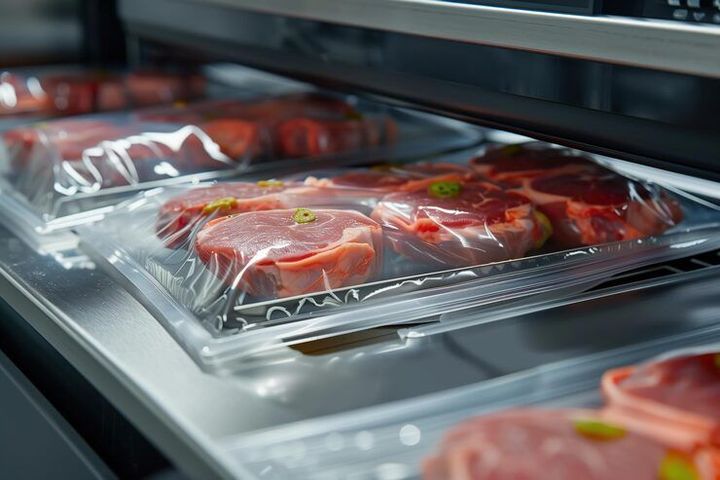
Vacuum Packaging machine Information: Explore Modern Machines, Materials, and Packaging Methods
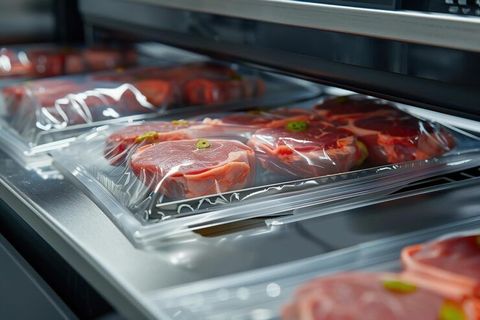
Vacuum packaging machines remove air from a package before sealing it, helping create a controlled packaging environment around food, medical products, electronics, and other goods.
The process commonly uses flexible bags, pouches, films, or specialized containers designed to withstand pressure changes during air removal.
Modern vacuum packaging systems range from compact chamber machines to automated industrial equipment. Understanding machine types, packaging materials, sealing methods, and applicable regulations can help manufacturers, food processors, laboratories, and other users select an appropriate packaging approach for their products.
Context
Vacuum packaging is a packaging method in which air is extracted from a package before the package is sealed. Reducing the amount of oxygen and air inside the package can help limit oxidation and slow certain quality changes. However, vacuum packaging does not make a product sterile and does not eliminate the need for appropriate storage, sanitation, or temperature control.
The development of vacuum packaging is closely connected with improvements in pumps, sealing systems, barrier films, sensors, and automation. Earlier systems were often manually operated, while modern equipment can integrate digital controls, programmable vacuum levels, multiple sealing cycles, gas flushing, and automated product handling.
Common vacuum packaging machine categories include:
| Machine type | Typical application | Main characteristic |
|---|---|---|
| External vacuum machine | Small food and household applications | Air is removed from the bag externally |
| Chamber machine | Food processing and commercial packaging | Bag is placed inside a vacuum chamber |
| Double-chamber machine | Higher-volume production | Allows loading while another chamber operates |
| Belt vacuum machine | Industrial food packaging | Continuous or semi-continuous operation |
| Thermoform vacuum system | Large-scale packaging | Forms packaging from a film roll |
| Tray sealing system | Prepared foods and industrial products | Seals products in preformed trays |
The choice depends on product characteristics, packaging format, throughput requirements, and the desired level of automation.
Importance
Vacuum packaging can help protect products from exposure to oxygen, moisture, contaminants, and environmental conditions when an appropriate packaging system is used. For some foods, reducing oxygen exposure can help maintain quality characteristics such as color, aroma, and texture.
The technology is particularly relevant to:
- Meat, poultry, seafood, and processed foods
- Cheese and other selected dairy products
- Coffee and other products affected by oxidation
- Medical and laboratory products requiring controlled packaging
- Electronic components that require protection from moisture or atmospheric exposure
- Industrial parts that need protection against environmental conditions
Vacuum packaging also affects logistics and storage. Removing excess air can reduce package volume for some products, which may influence storage efficiency. However, the benefits depend on the product, packaging material, sealing quality, and distribution conditions.
A critical point is that vacuum packaging can create low-oxygen conditions. Certain microorganisms can grow under low-oxygen conditions, so vacuum packaging should not be treated as a substitute for refrigeration, thermal processing, hygienic handling, or other validated preservation controls.
Recent Updates
Modern vacuum packaging machines increasingly combine mechanical systems with electronic controls and automation. Digital interfaces can allow operators to set vacuum levels, sealing temperatures, sealing duration, and other process parameters.
Sensor-based systems can monitor pressure and sealing conditions. Automated equipment can also connect with production lines, conveyors, weighing systems, labeling equipment, and inspection systems.
Several developments are influencing vacuum packaging:
Packaging materials
Multilayer films are widely used when different properties are needed within the same packaging structure. A film may combine layers that provide mechanical strength, heat-sealing characteristics, flexibility, and oxygen or moisture barrier properties.
Recyclability is also receiving greater attention. Packaging designers are evaluating structures that use fewer material types or are easier to sort and recycle. Material selection remains dependent on product requirements and the capabilities of the packaging system.
Automation and process control
Industrial systems can use programmable settings and automated handling to improve consistency. Some machines incorporate multiple sealing bars, automatic lid operation, digital pressure controls, and production monitoring.
Modified-atmosphere packaging can also be combined with vacuum processes. In these systems, air is removed and a selected gas mixture may be introduced before sealing. The appropriate atmosphere depends on the product and must be established through validated packaging and storage procedures.
Laws or Policies
Vacuum packaging requirements depend on the product, country, intended use, and distribution conditions. Food packaging is generally subject to food-safety and labeling requirements, while medical and pharmaceutical packaging can be governed by additional regulatory frameworks.
In the United States, the Food and Drug Administration provides food-safety information and requirements relevant to packaged foods, food-contact materials, and manufacturing practices. The U.S. Department of Agriculture also provides guidance applicable to meat and poultry products.
In the European Union, food-contact materials are regulated through EU legislation concerning materials and articles intended to come into contact with food. Businesses must also consider applicable hygiene, traceability, labeling, and food-safety requirements.
In India, food businesses should consider requirements administered by the Food Safety and Standards Authority of India (FSSAI), including applicable food packaging, labeling, hygiene, and safety provisions.
Important areas to review include:
- Food-contact material compliance
- Product labeling requirements
- Storage temperature requirements
- Hygiene and sanitation procedures
- Traceability documentation
- Packaging integrity and sealing controls
- Applicable environmental and packaging-waste rules
Regulatory requirements can change, so businesses should consult the applicable government authority and current regulations for their specific product and market.
Tools and Resources
Several resources can help users understand vacuum packaging equipment and packaging materials.
Government food-safety authorities provide information about food handling, packaging, storage, and labeling. Manufacturer technical documentation can also explain machine specifications, compatible materials, vacuum ranges, sealing temperatures, and maintenance requirements.
Useful resources include:
- Food safety regulations and guidance from national authorities
- Packaging-material technical data sheets
- Machine operating manuals
- Food storage and temperature-control guidance
- Packaging integrity testing procedures
- Product-specific shelf-life studies
- Material compatibility documentation
For technical planning, users can document variables such as package dimensions, film thickness, vacuum level, sealing temperature, sealing time, product temperature, and production volume. These records can help identify whether a packaging process remains consistent over time.
Testing is particularly important when changing packaging materials or machine settings. A package that looks properly sealed may still have weaknesses that are not immediately visible.
FAQs
What is a vacuum packaging machine?
A vacuum packaging machine removes air from a package and then seals it. Different machines are designed for different package formats, product types, production volumes, and levels of automation.
Does vacuum packaging preserve food indefinitely?
No. Vacuum packaging does not stop all microbial activity or make food shelf-stable. Appropriate refrigeration, freezing, cooking, hygiene, and storage controls may still be necessary.
Which materials are used for vacuum packaging?
Common materials include multilayer plastic films, vacuum pouches, barrier films, and rigid trays with compatible sealing films. The correct material depends on the product and packaging equipment.
What is the difference between a chamber and external vacuum machine?
A chamber machine places the entire bag inside a chamber during air removal and sealing. An external machine typically removes air through an opening in the bag, making it suitable for certain smaller-scale applications.
Can vacuum packaging be combined with gas flushing?
Yes. Some packaging systems can remove air and then introduce a controlled gas mixture before sealing. This approach is generally known as modified-atmosphere packaging and requires product-specific process controls.
Conclusion
Vacuum packaging machines provide a method for removing air and creating sealed packages for a wide range of applications. Modern equipment includes manual, semi-automatic, and automated systems, while packaging materials range from flexible pouches to multilayer films and rigid trays.
Selecting an appropriate vacuum packaging method requires consideration of the product, material compatibility, machine design, sealing conditions, storage environment, and applicable regulations. Proper validation and monitoring are important for maintaining package integrity and product safety.
For food and other sensitive products, vacuum packaging should be considered one part of a broader packaging and storage system. Understanding the interaction between machines, materials, processing conditions, and regulatory requirements can help users develop consistent and appropriate packaging processes.