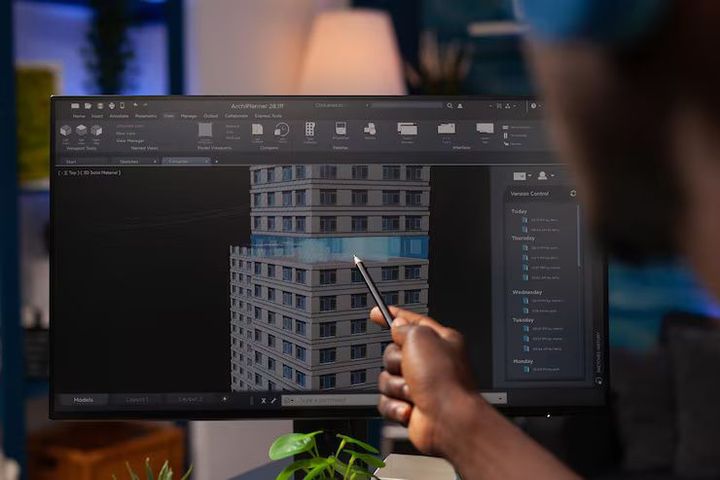
Explore the Innovative 3D Architecture and Building Solutions
3D architecture refers to the use of three-dimensional design, modeling, and visualization tools to plan, develop, and present building concepts. It exists because traditional 2D drawings often lack the depth, accuracy, and clarity needed for modern architectural and construction workflows. As building projects grow more complex, digital 3D solutions help architects and engineers communicate ideas more effectively.
These solutions include 3D modeling software, 3D printing for construction, virtual walkthroughs, simulation tools, and automated design systems. They allow professionals to create detailed models that represent structure, materials, lighting, and spatial layout. 3D architecture emerged from the need to reduce design errors, improve planning accuracy, and increase efficiency from conception to construction.
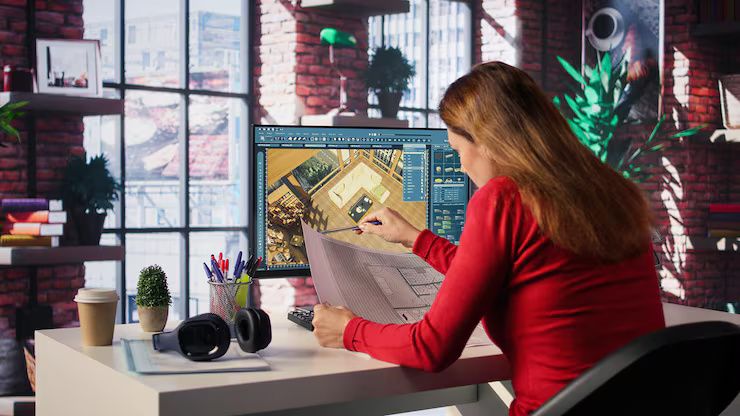
The shift toward digital building solutions supports better visualization, faster approval cycles, and improved collaboration among architects, developers, contractors, and clients.
Importance – Why 3D Architecture Matters Today
3D architecture plays a vital role in modern construction. It impacts project quality, decision-making, and long-term sustainability across various industries including residential buildings, commercial developments, industrial projects, and urban planning.
1. Enhanced Visualization
3D models help architects and clients understand designs more clearly. Unlike flat drawings, realistic visualizations show how spaces will look and function, improving communication during planning stages.
2. Reduced Design Errors
By identifying measurement conflicts or structural issues early, 3D tools reduce costly changes during construction. This leads to safer and more accurate building outcomes.
3. Faster Project Approvals
Developers and authorities often prefer 3D presentations because they offer clarity. This speeds up approval processes and reduces the need for revisions.
4. Improved Collaboration
Teams can work together using shared digital models. Engineers, architects, contractors, and interior designers can coordinate and avoid overlapping mistakes.
5. Support for Sustainable Building
3D simulations help assess:
-
Material usage
-
Sunlight exposure
-
Heat flow
-
Energy efficiency
This enables environmentally conscious building choices.
6. Cost Efficiency
With clearer planning and reduced errors, project budgets become easier to manage. Early detection of issues prevents expensive construction rework.
7. Growth of Smart Cities and Advanced Infrastructure
As cities expand, 3D architecture supports planning for transportation systems, housing, public spaces, and utilities more efficiently.
Recent Updates – Developments in 2024–2025
Over the last year, several important trends shaped the evolution of 3D architecture and building technologies.
1. Rise of AI-Assisted Architectural Design (2024–2025)
AI tools now generate concept sketches, floor plans, and structural suggestions. Designers use these systems to speed up early-stage planning.
2. Growth of 3D-Printed Construction (2024)
3D-printed buildings expanded globally. New printers were introduced in 2024 with better material compatibility and faster printing speeds.
3. Virtual and Augmented Reality Integration
Architects increasingly use VR and AR tools to give clients immersive walkthroughs. These tools became more accessible and accurate during 2024.
4. Sustainability Modeling Enhancements
New software modules released in mid-2024 provide advanced energy simulations, daylight analysis, and carbon footprint estimation.
5. Cloud-Based Collaboration Platforms
Cloud systems improved significantly, allowing architects and construction teams to access shared models from anywhere.
6. Adoption of Digital Twins (2024–2025)
More developers used digital twin technology to monitor building performance after completion. These replicas help manage energy consumption, maintenance, and repairs.
These innovations demonstrate the rapid progression toward smarter, more efficient, and sustainable building solutions.
Laws or Policies – Regulatory Influence on 3D Architecture
3D architecture interacts with various regulatory frameworks related to building design, construction safety, digital standards, and environmental compliance.
1. Building Code Requirements
3D architectural models must align with local building codes, covering:
-
Structural integrity
-
Fire safety
-
Electrical layouts
-
Plumbing compliance
Digital submissions must meet accuracy standards for regulatory review.
2. Municipal Planning and Zoning Policies
Urban planning authorities require accurate 3D models for:
-
Height restrictions
-
Setback requirements
-
Land use zoning
-
Environmental impact analysis
These rules ensure that buildings fit into regional development plans.
3. Sustainability and Green Building Regulations
Many countries encourage sustainable construction through:
-
Energy efficiency requirements
-
Water conservation guidelines
-
Use of renewable materials
3D architecture helps assess compliance before building begins.
4. Digital Documentation Standards
Authorities are gradually adopting digital submission formats. Some regions accept BIM (Building Information Modeling) files as part of official submissions.
5. Construction Safety Protocols
Simulations based on 3D models help ensure that materials, structures, and workflows meet national safety standards.
Regulations ensure that 3D architecture supports safe, efficient, and sustainable development.
Tools and Resources – Essential Platforms for 3D Architecture
Architects, designers, engineers, and builders use a wide range of digital tools to plan, visualize, and manage construction projects.
Helpful Tools and Resources
| Tool / Resource | Purpose / Benefit |
|---|---|
| 3D Modeling Software | Create accurate building models and structural designs. |
| BIM Platforms | Integrate architecture, engineering, and construction data. |
| VR/AR Visualization Tools | Provide immersive building walkthroughs. |
| Energy Simulation Software | Estimate energy consumption and optimize sustainability. |
| Rendering Engines | Generate high-quality visuals for presentations. |
| Construction Cost Calculators | Estimate expenses based on materials and labor. |
| Material Libraries | Offer digital catalogs of building materials and textures. |
| Cloud-Based Collaboration Systems | Support shared access to design files and project data. |
These tools enhance productivity, improve accuracy, and streamline communication across project teams.
FAQs – Common Questions About 3D Architecture and Building Solutions
1. What is the main purpose of 3D architecture?
Its main purpose is to improve design accuracy, enhance visualization, and support better decision-making before construction begins.
2. Does 3D modeling replace traditional architectural methods?
It complements traditional methods. Sketches, drafts, and technical drawings are still used, but 3D models provide additional clarity and precision.
3. Is 3D architecture only for large projects?
No. It is used for small residential designs, interior layouts, commercial buildings, and large infrastructure projects alike.
4. Can 3D models help reduce construction costs?
Yes. By identifying design issues early, 3D models help avoid expensive changes during construction.
5. Are specialized skills required to use 3D building tools?
Basic training is needed, but many modern tools have user-friendly interfaces, making them accessible to beginners and professionals.
Final Thoughts
3D architecture and building solutions are reshaping the way structures are designed, visualized, and built. They support clearer communication, reduce design uncertainties, and promote sustainable development. With advancements in AI, VR, cloud tools, and 3D printing, the architectural landscape continues to evolve steadily. Whether used for residential planning, commercial development, or large infrastructure projects, innovative 3D solutions offer accuracy, efficiency, and informed decision-making. Understanding the latest trends, tools, and regulations helps professionals confidently adopt these technologies and improve project outcomes.