A Complete Guide to Understanding SSL for Website Security and Data Protection
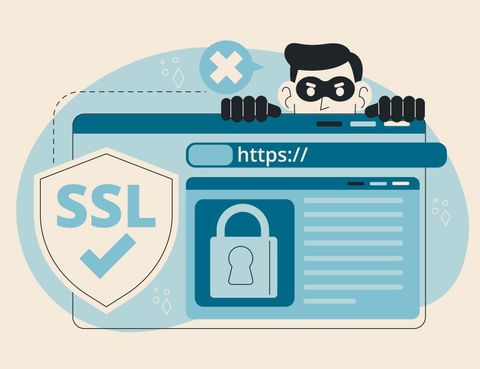
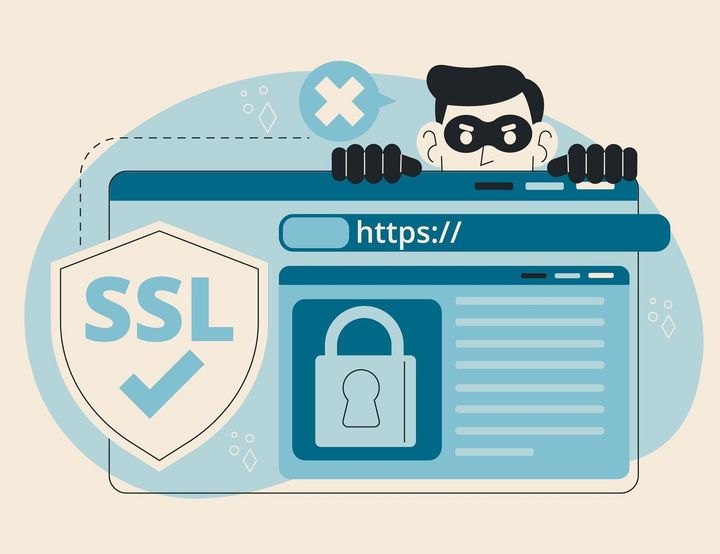
Secure Sockets Layer, commonly known as SSL, is a security technology used to protect communication between a website and its visitors. It creates an encrypted connection between a web server and a user’s browser, ensuring that data transferred across the internet remains secure and private.
When people browse websites, they often send or receive information such as login credentials, form data, or personal details. Without encryption, this information could potentially be intercepted during transmission across networks. SSL technology was developed to reduce these risks by encrypting the communication channel.
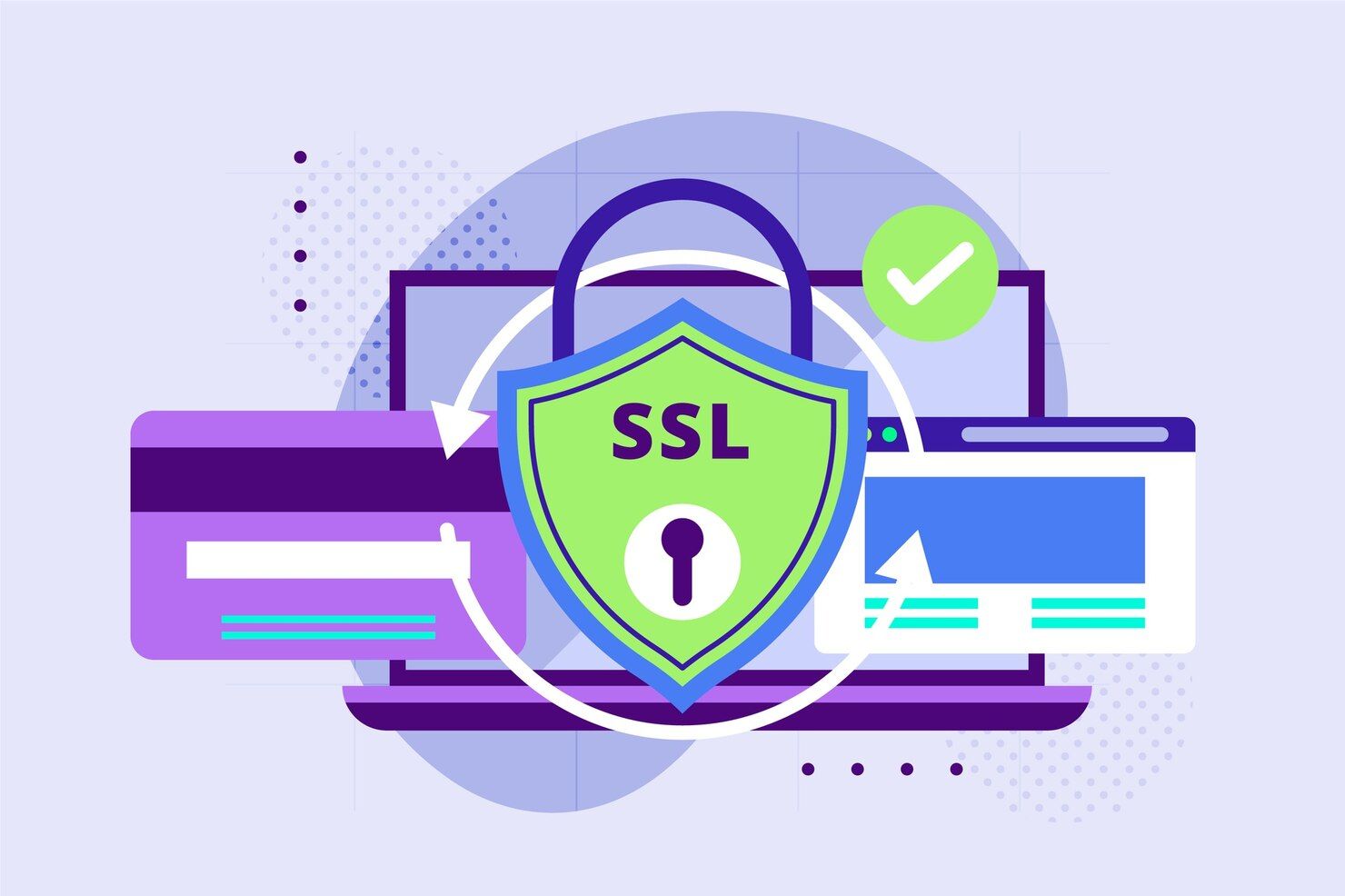
In modern web infrastructure, SSL is closely associated with HTTPS, which stands for Hypertext Transfer Protocol Secure. Websites that use HTTPS indicate that encryption is active, and browsers typically display a lock icon to show that the connection is secure.
SSL operates through a process known as a security handshake. During this process, the browser and the server verify each other and establish encryption keys used to secure the communication session.
The following table illustrates the main components involved in SSL security.
| Component | Role in Website Security |
|---|---|
| Web Server | Hosts the website and security configuration |
| Browser | Connects to the website and verifies security |
| SSL Certificate | Confirms website identity and enables encryption |
| Encryption Protocol | Secures the transmitted data |
| Certificate Authority | Trusted organization that validates certificates |
SSL technology has evolved over time, and modern web security systems often use the term TLS (Transport Layer Security), which represents the updated version of the original SSL protocol. However, the term SSL is still widely used to describe secure website connections.
Through encrypted communication, SSL helps protect data exchanged between users and websites.
Importance of SSL in Modern Website Security
As digital services continue to expand, secure communication has become a critical part of internet infrastructure. Websites are used for information sharing, communication, online services, and digital transactions, making data protection increasingly important.
SSL contributes to website security in several ways.
Protection of Data During Transmission
When SSL encryption is active, data transmitted between a user and a website becomes encrypted. This means that even if the data is intercepted during transmission, it cannot easily be interpreted without the encryption key.
Common types of protected information include:
login credentials
personal information submitted through forms
communication messages
session data used by web applications
Verification of Website Identity
SSL certificates also help confirm that a website belongs to the entity it claims to represent. Certificate authorities validate the identity of the website owner before issuing certificates.
This verification process helps users confirm that they are connecting to legitimate websites.
Trust Indicators for Website Visitors
Modern browsers display visual indicators when websites use secure connections. These indicators help users understand whether the website connection is protected.
Typical indicators include:
HTTPS in the address bar
a lock icon displayed by the browser
warnings for unsecured websites
Support for Secure Digital Services
Many online platforms rely on secure communication systems to operate safely. These platforms include:
online learning portals
government service websites
communication platforms
cloud-based applications
The following table shows common situations where SSL protection is important.
| Website Activity | Why SSL Is Important |
|---|---|
| Login systems | Protects authentication information |
| Online forms | Secures submitted personal data |
| Cloud applications | Protects communication with servers |
| Government portals | Maintains secure public services |
| Educational platforms | Protects student account access |
As online communication continues to grow, encrypted connections have become a standard requirement for secure website operations.
Recent Updates and Trends in Website Security
The field of web security continues to evolve as cybersecurity threats become more sophisticated. Over the past year, several developments have influenced how SSL and website encryption technologies are used.
Wider Adoption of HTTPS by Default (2024–2025)
Many web browsers and search engines now encourage websites to adopt HTTPS as the default protocol. During 2024 and early 2025, browser developers continued strengthening warnings for websites that operate without encrypted connections.
These changes aim to improve overall internet security by encouraging secure communication across websites.
Improved Encryption Protocols
Security experts regularly update encryption protocols to address vulnerabilities and strengthen protection methods. Modern web security implementations now emphasize newer versions of TLS, which provide stronger encryption mechanisms than earlier SSL protocols.
Web servers and security systems are gradually phasing out older encryption versions that may be less secure.
Automation in Certificate Management
Website administrators increasingly use automated systems to manage security certificates. Automation tools help monitor certificate expiration dates and update certificates without manual intervention.
This approach helps maintain continuous encryption coverage for websites.
Integration with Web Security Frameworks
SSL encryption is now commonly integrated into broader website security frameworks that include firewalls, intrusion detection systems, and vulnerability monitoring tools.
The following chart illustrates trends influencing website encryption practices.
| Technology Trend | Impact on Website Security |
|---|---|
| HTTPS by default | Increased adoption of encrypted connections |
| Updated TLS protocols | Stronger encryption standards |
| Automated certificate management | Simplified security maintenance |
| Integrated security platforms | Comprehensive website protection |
These trends demonstrate the ongoing development of web security practices aimed at improving online safety.
Laws and Policies Affecting Website Security
Website security technologies such as SSL are influenced by regulations related to data protection, cybersecurity, and online privacy. Governments and regulatory bodies have introduced laws that encourage organizations to protect user data transmitted through digital platforms.
Data Protection Regulations
Many countries have established laws requiring organizations to protect personal data collected through websites and online services.
Examples of data protection regulations include:
| Region | Data Protection Law |
|---|---|
| European Union | General Data Protection Regulation (GDPR) |
| India | Digital Personal Data Protection Act (DPDP Act 2023) |
| United States | Various state-level privacy regulations |
These laws require organizations to implement reasonable security measures when processing personal information.
Cybersecurity Guidelines
Government cybersecurity agencies often publish guidelines recommending encryption practices for protecting digital communications.
These guidelines encourage organizations to use secure communication protocols when transmitting sensitive data.
Industry Security Standards
Several industries maintain specific cybersecurity standards that include encryption requirements.
Examples include:
financial sector security frameworks
healthcare data protection guidelines
cloud service security standards
Organizations operating within these industries must often follow specific data protection requirements when managing digital services.
Browser and Technology Platform Policies
Technology companies that develop browsers and online platforms also influence web security practices. Many browsers now display warnings when users attempt to access websites that lack secure encryption.
These policies encourage website operators to implement secure communication protocols.
Tools and Resources Related to SSL and Website Security
Website administrators and developers rely on a variety of tools to manage encryption systems and monitor website security.
These tools help ensure that SSL certificates are properly configured and functioning correctly.
SSL Certificate Testing Tools
Testing platforms allow administrators to verify whether SSL certificates are installed correctly and functioning as expected.
These tools typically check:
encryption configuration
certificate validity
protocol compatibility
Website Security Monitoring Tools
Security monitoring systems track website activity and detect potential security issues. These tools help administrators monitor suspicious traffic or unusual access patterns.
Certificate Management Systems
Certificate management tools help organize and track multiple SSL certificates used across websites and servers.
Common features include:
certificate expiration alerts
centralized certificate management
automated certificate updates
Web Development Security Resources
Developers often consult technical documentation and security guidelines when implementing encryption systems.
Educational resources may include:
cybersecurity documentation
web development security guides
online security research platforms
The following table summarizes commonly used website security resources.
| Resource Type | Purpose |
|---|---|
| SSL testing tools | Verifying certificate configuration |
| Security monitoring platforms | Detecting suspicious activity |
| Certificate management systems | Managing encryption certificates |
| Web security documentation | Learning secure development practices |
| Cybersecurity information portals | Understanding security updates |
These resources help maintain secure website environments and improve encryption management practices.
Frequently Asked Questions
What does SSL do for a website?
SSL encrypts data transmitted between a website and its visitors. This encryption protects sensitive information from being intercepted during online communication.
How can users tell if a website uses SSL?
Most browsers display HTTPS in the website address and show a lock icon when the connection is encrypted. These indicators suggest that the website uses a secure communication protocol.
Is SSL still used today?
Modern security systems primarily use TLS, which is the updated version of SSL technology. However, the term SSL is still commonly used to describe secure website connections.
Why do browsers warn about non-secure websites?
Browsers warn users when websites lack encrypted connections because unencrypted communication can expose transmitted information to potential interception.
Does SSL protect all website security risks?
SSL focuses on encrypting communication between users and websites. While it protects data during transmission, additional security measures such as firewalls and secure coding practices are also important for comprehensive website protection.
Final Thoughts
SSL technology plays a fundamental role in protecting communication across the internet. By encrypting data transmitted between websites and users, SSL helps reduce risks associated with data interception and unauthorized access.
As internet services expand and digital communication becomes more common, encrypted connections have become a standard expectation for website security.
Recent developments in encryption protocols, automated certificate management, and broader cybersecurity frameworks have strengthened how websites implement secure communication systems.
At the same time, regulations related to data protection and cybersecurity encourage organizations to adopt responsible security practices when managing online services.
Understanding SSL and its role in website security helps website administrators, developers, and users appreciate the importance of encryption in maintaining a safer and more secure digital environment.