Discover How Colocation Servers Improve Security and System Performance
Colocation servers refer to a type of data hosting arrangement where organizations place their own server hardware inside specialized data center facilities. Instead of operating servers in their own office or building infrastructure, businesses install their equipment within professionally managed facilities designed to support computing systems.
As organizations began relying more heavily on digital systems for websites, databases, enterprise applications, and communication platforms, the need for secure and reliable server environments became increasingly important. Maintaining server infrastructure in traditional office environments can be challenging because it requires stable electricity, temperature control, physical security, and high-speed internet connectivity.
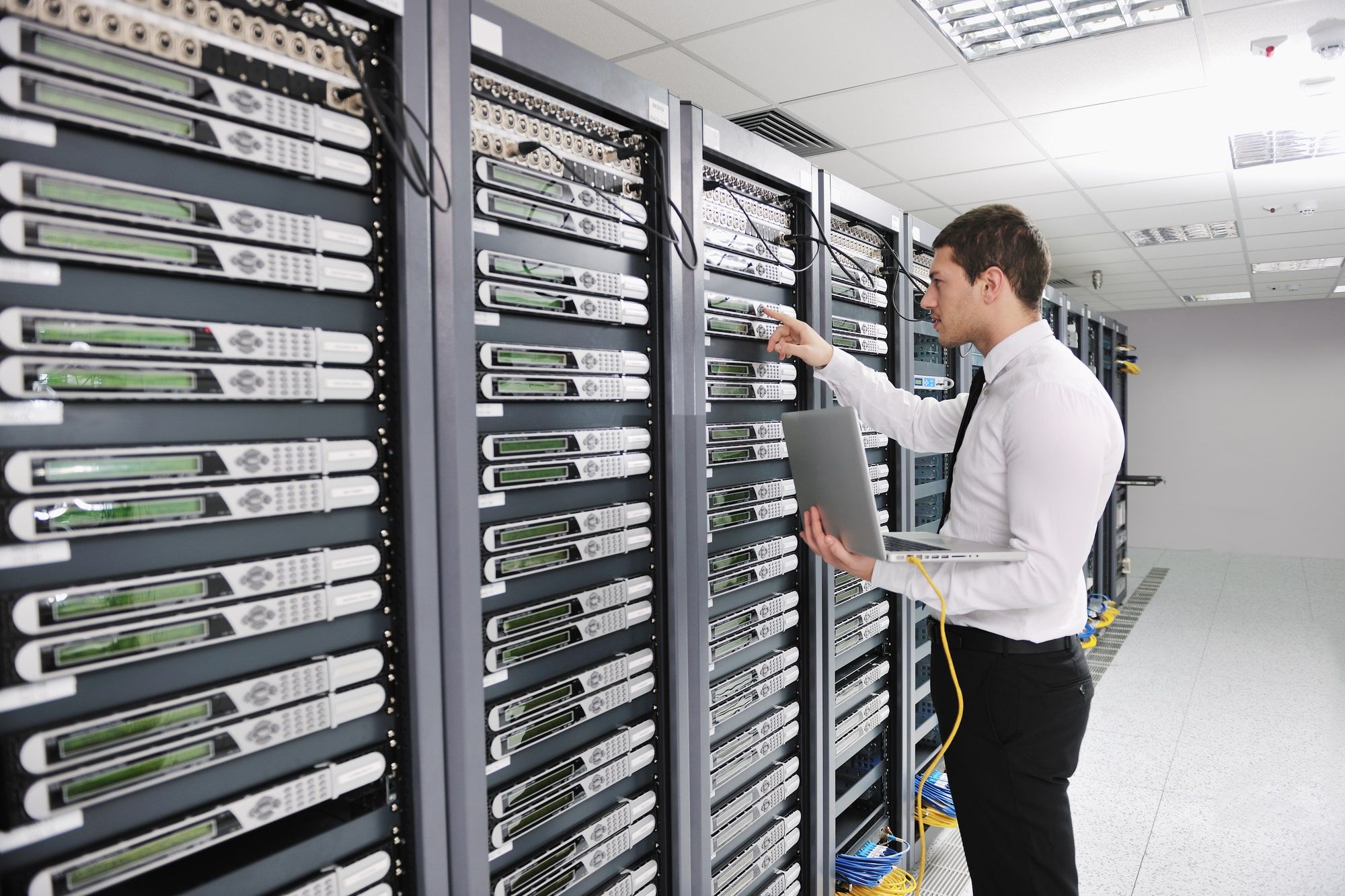
Colocation facilities were developed to provide these specialized conditions. In a colocation environment, companies own their servers but rely on the data center operator to provide the physical infrastructure necessary for stable operation.
Typical services provided by colocation facilities include:
controlled server rack environments
continuous power supply with backup systems
high-speed internet connectivity
environmental cooling and monitoring systems
physical security and access control
network infrastructure support
Organizations install their servers in racks or cabinets within the data center, where the facility provides power, cooling, and connectivity while the organization maintains control over software and applications running on the servers.
The following table illustrates the basic structure of a colocation setup.
| Infrastructure Component | Role in Colocation Systems |
|---|---|
| Physical Servers | Hardware owned and managed by the organization |
| Data Center Facility | Provides space, power, cooling, and monitoring |
| Network Connectivity | Enables internet communication and data transfer |
| Security Systems | Protects hardware and access to the facility |
| Environmental Controls | Maintains stable temperature and humidity |
Through this structure, colocation facilities provide a professional environment designed to support reliable server performance.
Importance of Colocation Servers for Security and Performance
As digital services expand, businesses increasingly rely on stable and secure computing infrastructure. Websites, cloud applications, communication systems, and enterprise software platforms require reliable server environments that can operate continuously.
Colocation servers help organizations address several technical and operational challenges.
Improved Infrastructure Reliability
Data centers are designed with redundant systems to reduce service interruptions. These facilities often include backup power systems, multiple network connections, and advanced environmental monitoring systems.
Redundancy helps maintain continuous system operation even if individual components experience issues.
Enhanced Physical Security
Colocation facilities typically implement multiple security measures to protect server equipment. These measures may include surveillance systems, controlled entry points, biometric access verification, and security personnel.
Physical protection helps prevent unauthorized access to server infrastructure.
Optimized Network Performance
Many data centers provide high-capacity network connectivity and direct connections to major internet providers. This infrastructure allows servers to communicate with external systems efficiently and maintain stable data transfer speeds.
Improved connectivity can support applications that require consistent network performance.
Scalability for Growing Digital Systems
Organizations can expand their server infrastructure within colocation facilities by adding additional hardware as operational needs increase. This flexibility supports long-term technology planning.
The following table highlights common digital infrastructure challenges that colocation environments help address.
| Infrastructure Challenge | Role of Colocation |
|---|---|
| Limited office server capacity | Provides professional data center space |
| Unstable power supply | Offers redundant power systems |
| Cooling and temperature management | Maintains controlled environmental conditions |
| Network congestion | Provides high-capacity connectivity |
| Security risks for on-site servers | Implements controlled access systems |
These capabilities allow organizations to maintain reliable and secure server operations without building their own data centers.
Recent Updates and Trends in Colocation Infrastructure
The colocation industry continues to evolve alongside broader developments in cloud computing, digital services, and data processing technologies. Several trends have influenced colocation infrastructure during the past year.
Growth of Hybrid Cloud Infrastructure (2024–2025)
Many organizations now combine colocation servers with cloud computing services. In this hybrid model, businesses maintain physical servers in data centers while also using cloud platforms for flexible computing resources.
Hybrid infrastructure allows organizations to balance control over hardware with scalable cloud technologies.
Expansion of Edge Data Centers
Edge computing has become increasingly important as applications require faster response times. Smaller data centers located closer to users help process data with lower latency.
Colocation providers are expanding regional facilities to support these edge computing environments.
Increasing Demand for AI and High-Performance Computing
Artificial intelligence workloads often require specialized hardware and high-performance computing systems. Some colocation facilities have adapted infrastructure to support servers designed for advanced data processing.
Energy Efficiency Initiatives
Data centers consume significant amounts of electricity, leading to increased focus on energy efficiency and sustainable infrastructure.
Facilities are adopting technologies such as advanced cooling systems and renewable energy integration to improve operational efficiency.
The following chart summarizes key trends shaping colocation infrastructure.
| Technology Trend | Influence on Colocation Facilities |
|---|---|
| Hybrid cloud environments | Integration with cloud platforms |
| Edge computing | Regional data center expansion |
| AI computing workloads | Support for specialized hardware |
| Energy efficiency improvements | Sustainable infrastructure initiatives |
These trends demonstrate how colocation infrastructure continues to adapt to evolving technological requirements.
Laws and Policies Affecting Data Center Operations
Colocation facilities operate within regulatory frameworks related to data protection, cybersecurity, telecommunications infrastructure, and environmental standards.
These regulations help ensure that data center operations follow responsible and secure practices.
Data Protection Regulations
Organizations storing or processing personal data must comply with data protection laws that regulate how information is handled.
Examples of data protection regulations include:
| Region | Data Protection Regulation |
|---|---|
| European Union | General Data Protection Regulation (GDPR) |
| India | Digital Personal Data Protection Act (DPDP Act 2023) |
| United States | Various federal and state privacy laws |
These regulations influence how organizations manage and secure data stored on servers.
Cybersecurity Frameworks
Many industries require compliance with cybersecurity standards that define best practices for protecting digital infrastructure.
Examples include information security standards that address data protection, system monitoring, and access control policies.
Telecommunications and Network Regulations
Data centers often connect to national and international communication networks. Telecommunications regulations govern how network infrastructure operates and how internet service providers interact with data center facilities.
Environmental and Energy Policies
Because large data centers consume substantial energy resources, governments may introduce policies encouraging sustainable energy usage and environmentally responsible infrastructure development.
These regulatory frameworks help ensure that digital infrastructure remains secure, responsible, and compliant with public policy objectives.
Tools and Resources for Managing Colocation Infrastructure
Organizations using colocation services often rely on various software tools and management platforms to monitor server performance, network activity, and infrastructure conditions.
These tools help maintain efficient system operations.
Data Center Infrastructure Management Systems
Data Center Infrastructure Management systems, commonly called DCIM platforms, monitor environmental conditions within data centers.
These systems track factors such as:
power consumption
temperature levels
equipment status
rack space usage
Server Monitoring Platforms
Server monitoring tools track the health and performance of individual servers.
Common monitoring metrics include:
processor activity
memory usage
storage utilization
system uptime
Network Monitoring Tools
Network monitoring systems help administrators track connectivity performance and identify potential communication disruptions.
These tools often analyze:
network traffic patterns
bandwidth utilization
latency levels
Capacity Planning Tools
Infrastructure planning tools help organizations estimate future server requirements and manage long-term technology growth.
The following table summarizes common tools used in colocation environments.
| Tool Category | Purpose |
|---|---|
| DCIM platforms | Monitoring data center infrastructure |
| Server monitoring systems | Tracking server health and performance |
| Network monitoring tools | Evaluating connectivity performance |
| Capacity planning software | Forecasting infrastructure growth |
| Documentation platforms | Organizing technical system records |
These resources help organizations maintain reliable and efficient digital infrastructure.
Frequently Asked Questions
What is a colocation server?
A colocation server is a physical server owned by an organization but stored within a professional data center facility that provides power, cooling, security, and network connectivity.
How does colocation improve system performance?
Colocation facilities offer stable infrastructure, high-capacity connectivity, and optimized environmental conditions that support reliable server operation.
Who typically uses colocation services?
Businesses, technology companies, financial institutions, research organizations, and digital service providers often use colocation infrastructure to host critical computing systems.
Is colocation different from cloud computing?
Yes. In colocation environments, organizations own and manage their server hardware. In cloud computing environments, computing resources are typically provided by cloud service providers.
Why are data centers important for digital services?
Data centers provide the physical infrastructure required to operate websites, applications, communication systems, and digital platforms that support modern online services.
Final Thoughts
Colocation servers represent an important component of modern digital infrastructure. By placing privately owned servers within professionally managed data centers, organizations gain access to reliable power systems, high-capacity connectivity, and secure physical environments.
Recent developments such as hybrid cloud infrastructure, edge computing expansion, and energy-efficient data center technologies demonstrate how colocation facilities continue to evolve alongside broader digital transformation trends.
At the same time, regulatory frameworks related to data protection, cybersecurity, and environmental responsibility guide how these facilities operate.
As digital services continue to expand across industries, colocation infrastructure will remain an essential part of supporting secure and high-performance computing environments.