A Complete Guide to Understanding Software Escrow and Source Code Protection
Software escrow is a legal and technical arrangement used to protect access to critical software source code. In this arrangement, a third-party escrow agent securely stores the source code and related documentation of a software application. The stored materials are only released to the authorized party under specific conditions defined in an agreement.
The concept of software escrow emerged as software systems became essential for business operations. Many organizations rely on software developed by external vendors or technology partners. In such situations, the organization using the software may not have direct access to the underlying source code that powers the system.
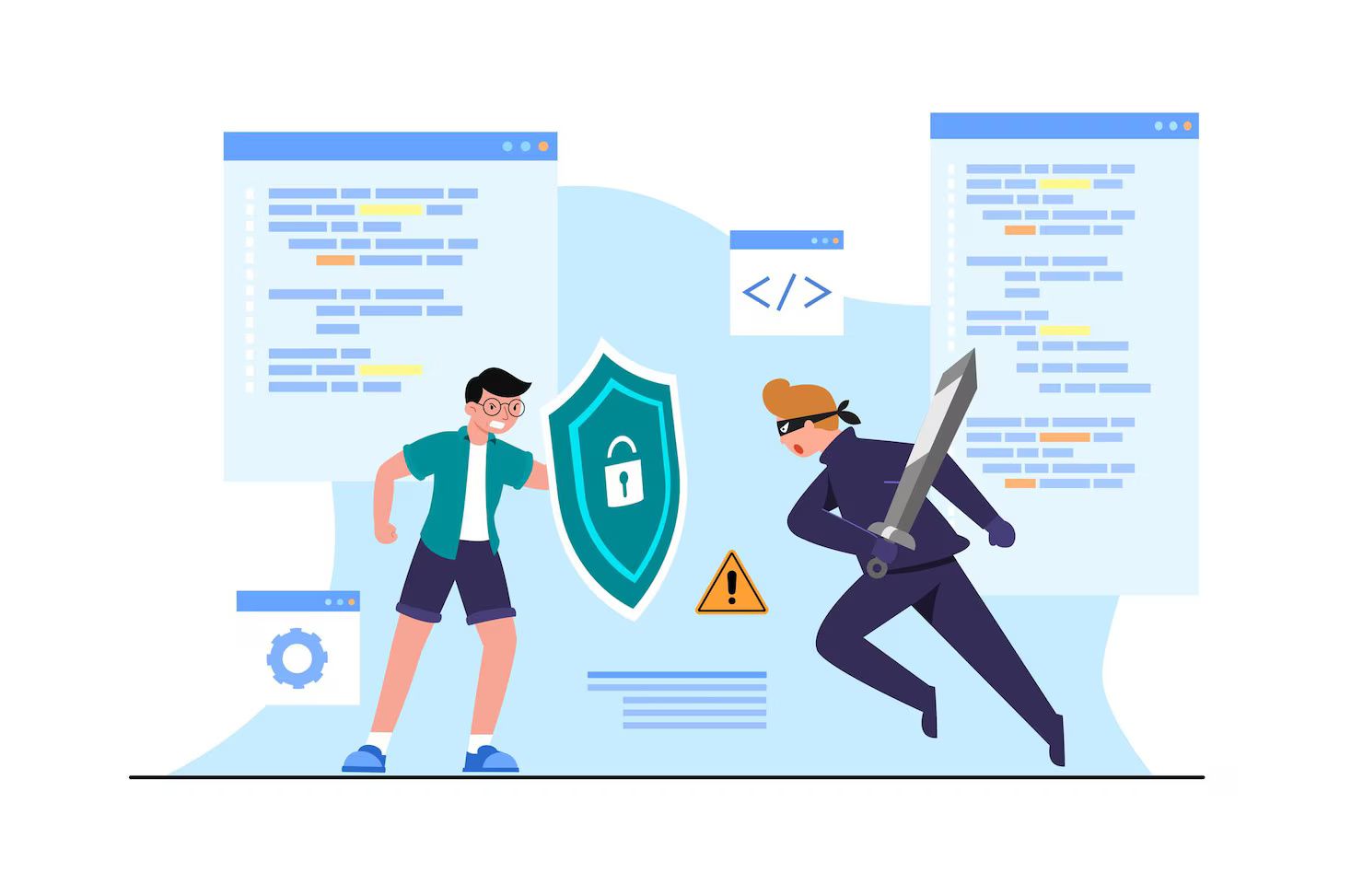
Source code is the human-readable set of instructions written by developers to create a software application. It contains the logic, functions, and structure required to operate the program. Because source code represents the intellectual property of the software developer, it is typically protected and not shared openly with users.
Software escrow exists to address the risk that a software vendor might become unable to maintain or support the software in the future. If that situation occurs, access to the stored source code allows the organization using the software to maintain or update the system.
A typical software escrow arrangement involves three parties:
-
The software developer or vendor
-
The client or organization using the software
-
The escrow agent responsible for securely storing the materials
The following table explains the key components of a software escrow arrangement.
| Component | Description |
|---|---|
| Source Code Deposit | Secure storage of software code |
| Escrow Agreement | Legal document defining release conditions |
| Escrow Agent | Neutral party responsible for safeguarding materials |
| Verification Process | Procedure for confirming deposited code integrity |
| Release Conditions | Circumstances under which the code may be accessed |
Software escrow helps ensure that organizations relying on software systems can maintain operational continuity even if the original developer becomes unavailable.
Importance: Why Software Escrow Matters Today
Modern organizations depend heavily on software applications for daily operations. Business processes such as financial management, customer communication, supply chain coordination, and data analysis often rely on specialized software systems.
When a company uses software developed by a third-party vendor, the organization may depend on that vendor for updates, maintenance, and technical support. Without access to the underlying source code, the organization may face operational challenges if the vendor is no longer able to provide support.
Software escrow addresses this risk by providing a safeguard that protects both the software user and the software developer.
Several groups benefit from software escrow arrangements.
Businesses Using Licensed Software
Organizations that rely on proprietary software systems gain assurance that they can maintain the system if vendor support becomes unavailable.
Software Developers
Developers can protect their intellectual property while providing clients with a structured protection mechanism.
Technology Partners
Companies collaborating on joint technology projects may use escrow agreements to manage shared software resources.
Investors and Stakeholders
Organizations evaluating software-based businesses may review escrow arrangements as part of risk management strategies.
The following table highlights common software dependency challenges and how escrow arrangements address them.
| Software Dependency Challenge | Escrow Solution |
|---|---|
| Vendor support disruption | Secure access to stored source code |
| Long-term system maintenance | Ability to continue development if necessary |
| Business continuity concerns | Safeguarded operational infrastructure |
| Intellectual property protection | Controlled release conditions |
| Technical documentation access | Secure storage of development materials |
Software escrow plays an important role in reducing operational risk and supporting long-term software sustainability.
Recent Updates and Industry Trends
The software industry continues to evolve as organizations adopt cloud computing, distributed development environments, and digital infrastructure services. These developments have also influenced software escrow practices.
During 2024 and early 2025, many escrow providers expanded digital escrow platforms that allow secure electronic submission and management of source code deposits. These platforms simplify the process of maintaining updated code archives.
Automated verification systems have also gained attention. These tools help confirm that deposited source code can be compiled and executed correctly, ensuring that the escrow materials are complete and functional.
Another trend involves the growing use of cloud-based applications. As organizations adopt software delivered through cloud services, escrow arrangements may also include deployment scripts, configuration files, and technical documentation.
Cybersecurity practices have also influenced escrow systems. Secure encryption, access controls, and monitoring systems are increasingly used to protect deposited materials.
The following table summarizes recent trends in software escrow practices.
| Trend | Description | Industry Impact |
|---|---|---|
| Digital Escrow Platforms | Online management of source code deposits | Simplified escrow processes |
| Automated Code Verification | Technical testing of deposited software | Increased reliability |
| Cloud Infrastructure Documentation | Inclusion of deployment environments | Improved system continuity |
| Cybersecurity Enhancements | Stronger encryption and access controls | Improved data protection |
| Continuous Deposit Updates | Regular updates of stored source code | Accurate software records |
These developments demonstrate how escrow practices continue to adapt to modern software development environments.
Laws and Policies Affecting Software Escrow
Software escrow agreements operate within legal frameworks related to intellectual property protection, contract law, and data security. These regulations help define how software assets are protected and shared between parties.
Intellectual Property Laws
Source code is typically protected as intellectual property owned by the software developer. Escrow agreements ensure that the developer’s rights remain protected while allowing conditional access for the client.
Contract Law
Software escrow arrangements are defined through legally binding agreements that specify responsibilities, rights, and release conditions.
Data Protection Regulations
If escrow deposits include data or configuration materials related to user systems, organizations must comply with applicable data protection regulations.
Cybersecurity Standards
Organizations handling software code must implement secure storage practices to protect sensitive development materials.
Government Technology Policies
Some public sector organizations require escrow arrangements when deploying software for critical infrastructure systems.
Organizations involved in software escrow often establish policies related to:
-
Secure storage and encryption of source code
-
Verification procedures for deposited materials
-
Conditions for releasing escrow materials
-
Confidentiality obligations for all parties
These legal and policy frameworks help maintain trust between software developers and organizations using proprietary software.
Tools and Resources for Managing Software Escrow
Various tools and resources support the management of software escrow arrangements and source code protection.
Escrow Service Providers
Organizations that manage secure storage and administration of escrow deposits.
Source Code Repositories
Platforms used by developers to maintain version control and prepare code for escrow deposits.
Verification and Testing Tools
Software utilities that validate whether deposited code can be compiled and executed.
Documentation Management Systems
Tools used to organize technical documentation and system configuration instructions.
Cybersecurity and Encryption Tools
Systems that protect sensitive software materials during storage and transmission.
The following table summarizes categories of resources used in software escrow arrangements.
| Resource Category | Purpose |
|---|---|
| Escrow Service Platforms | Manage secure code storage |
| Version Control Systems | Maintain software development history |
| Verification Tools | Confirm integrity of deposited code |
| Documentation Platforms | Organize technical materials |
| Security Systems | Protect source code confidentiality |
These tools help organizations implement secure and effective software escrow practices.
FAQs About Software Escrow
What is software escrow?
Software escrow is an arrangement where a third party securely stores a software application's source code and related materials for release under specific conditions.
Why do organizations use software escrow?
Organizations use escrow agreements to ensure continued access to critical software if the original developer cannot maintain or support the system.
What materials are typically stored in software escrow?
Deposits may include source code, technical documentation, build instructions, and configuration files necessary to maintain the software.
Who manages the escrow materials?
A neutral escrow agent manages and protects the deposited materials according to the terms of the escrow agreement.
When can escrow materials be released?
Release conditions are defined in the escrow agreement and may include events such as vendor discontinuation of support or contractual obligations not being fulfilled.
Final Thoughts
Software escrow plays an important role in protecting both software developers and organizations that rely on proprietary software systems. By securely storing source code and technical documentation with a neutral third party, escrow arrangements provide assurance that critical software can continue to operate if vendor support becomes unavailable.
Advancements in digital escrow platforms, automated verification systems, and cybersecurity technologies continue to strengthen the effectiveness of escrow practices. At the same time, legal frameworks ensure that intellectual property rights and contractual obligations are respected.