Overview of Common Gum Disease Symptoms and Treatment Methods
Gum disease, also known as periodontal disease, is an inflammatory condition affecting the tissues that support the teeth. It typically begins with bacterial plaque buildup along the gumline. When plaque is not removed properly through brushing and flossing, it hardens into tartar and leads to irritation, swelling, and infection.
Gum disease exists because the mouth naturally contains bacteria, and without effective oral hygiene, these bacteria multiply and harm the gums. Lifestyle habits, medical conditions, and genetic factors also influence its development.

The condition progresses through stages—from mild gum inflammation (gingivitis) to more advanced forms that can damage bone and supporting tissues (periodontitis). Early recognition and proper care can prevent long-term complications.
Importance – Why Understanding Gum Disease Matters
Awareness of gum disease is important because it affects a large portion of the population and can progress silently.
Affects Daily Comfort and Oral Health
Symptoms like bleeding gums, swelling, and tenderness can impact everyday activities such as chewing, brushing, and speaking.
Prevents Long-Term Damage
Untreated periodontal disease can lead to gum recession, tooth mobility, and tooth loss. Early treatment helps maintain healthy teeth and jaw structure.
Connected to Overall Health
Studies suggest associations between gum disease and systemic conditions such as diabetes and cardiovascular issues. While these links are still being researched, maintaining good oral hygiene is beneficial for general well-being.
Who Is Most Affected
-
Adults with poor oral hygiene
-
Individuals with diabetes
-
Tobacco users
-
Pregnant women experiencing hormonal changes
-
People with dry mouth or certain medical conditions
Understanding gum disease helps promote early care and reduces the risk of complications.
Recent Updates – Trends and Developments (2024–2025)
Oral healthcare practices continue to advance, introducing more effective and patient-friendly methods for managing gum disease.
Rise of Minimally Invasive Treatments (2024)
Dental professionals increasingly use laser-assisted therapy for targeted gum disinfection. These techniques are designed to reduce discomfort and improve healing time.
Improved Diagnostic Tools
Digital imaging, periodontal charting software, and AI-supported diagnostic tools help dentists detect early signs of gum disease more effectively.
Focus on Preventive Dentistry
In 2024, many dental organizations emphasized routine cleanings and patient education as essential prevention strategies.
New Research on Microbiome Balance
Scientists continue studying the oral microbiome to understand how bacteria influence gum health. This research may support future treatment approaches.
Increased Awareness Campaigns
Several health institutions promoted oral health initiatives in 2024–2025 to encourage earlier dental visits and better hygiene habits.
These updates contribute to better diagnosis, prevention, and treatment outcomes.
Laws or Policies – Regulations Affecting Gum Disease Management
Healthcare policies vary by country, but certain regulations influence gum disease care:
Professional Licensing and Clinical Guidelines
Dentists and hygienists must follow approved clinical standards for diagnosing and treating periodontal disease. Many regions require periodic training to stay updated on best practices.
Health Insurance Coverage
Coverage for gum disease treatment depends on national or private insurance plans. Some policies include:
-
Routine dental cleanings
-
Deep cleaning procedures (scaling and root planing)
-
Preventive examinations
Infection Control Requirements
Dental clinics must comply with strict hygiene and sterilization protocols to prevent infections during treatments.
Public Health Policies
Government agencies often promote oral health awareness programs, especially for children, older adults, and underserved communities.
Regulations on Dental Products
Products such as antimicrobial mouthwashes, dental tools, and home-care devices must meet safety and efficacy standards.
Knowing these laws helps patients understand their rights and available care options.
Tools and Resources – Helpful Options for Gum Disease Awareness and Care
Several tools and resources are available to support gum disease prevention, diagnosis, and treatment:
Home Care Tools
-
Soft-bristle toothbrushes
-
Electric toothbrushes with gum care modes
-
Dental floss and interdental brushes
-
Antimicrobial mouth rinses
-
Water flossers for improved cleaning
Professional Tools
-
Periodontal probes
-
Ultrasonic scalers
-
Digital imaging systems
-
Laser tools for gum therapy
Educational Resources
-
Mobile apps for oral hygiene reminders
-
Dental association websites
-
Interactive guides for proper brushing and flossing
-
Symptom tracking templates
Cost and Treatment Calculators
Online calculators help estimate the average cost of cleanings, gum therapy, or follow-up visits.
Using these resources encourages consistent maintenance and professional care.
Common Gum Disease Symptoms
Recognizing early signs can help individuals seek timely dental care.
Early Symptoms (Gingivitis)
-
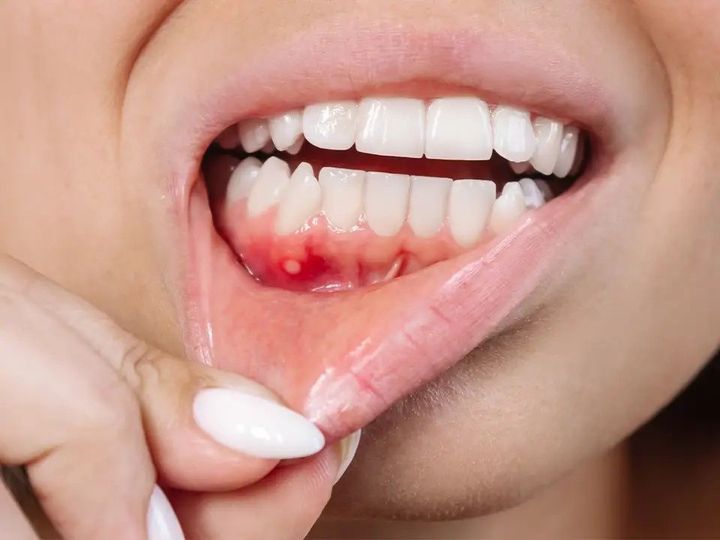
Red or swollen gums
-
Bleeding during brushing or flossing
-
Sensitive or tender gums
-
Persistent bad breath
-
Slight gum recession
Advanced Symptoms (Periodontitis)
-
Deep pockets forming between teeth and gums
-
Loose or shifting teeth
-
Frequent gum infections
-
Pain while chewing
-
Noticeable gaps or spacing changes
Monitoring symptoms is essential, as gum disease can progress silently without significant pain in its early stages.
Treatment Methods for Gum Disease
Treatment depends on the severity of the condition.
Non-Surgical Treatments
Professional Dental Cleaning
Routine cleanings help remove plaque and tartar from surfaces above the gumline.
Scaling and Root Planing
A deep-cleaning procedure that removes tartar below the gumline and smooths root surfaces to promote healing.
Antibacterial Therapy
Dentists may prescribe antimicrobial mouth rinses or apply localized antibiotics to control bacteria.
Surgical Treatments
These methods are recommended when gum disease becomes advanced.
Flap Surgery
The gum is gently lifted to remove deep tartar deposits and reduce pocket depth.
Bone or Tissue Grafts
Used to restore areas affected by bone loss or gum recession.
Guided Tissue Regeneration
A technique that encourages natural bone regrowth in areas damaged by gum disease.
Lifestyle and Home Care Recommendations
Consistent oral hygiene habits support treatment outcomes.
-
Brush twice daily
-
Use interdental cleaning tools
-
Limit sugary snacks
-
Avoid tobacco products
-
Visit the dentist regularly
Treatment Summary Table
| Gum Disease Stage | Symptoms | Common Treatment |
|---|---|---|
| Gingivitis | Red, swollen gums | Routine cleaning & improved home care |
| Early Periodontitis | Bleeding, deeper pockets | Scaling & root planing |
| Moderate Periodontitis | Bone loss, gum recession | Deep cleaning + antibacterial care |
| Advanced Periodontitis | Loose teeth, severe infection | Surgery, grafts, regeneration |
FAQs
Can gum disease be reversed?
Early-stage gingivitis can often be reversed with professional cleaning and good oral hygiene. Advanced periodontitis cannot be fully reversed but can be managed with proper care.
How often should I visit the dentist for gum health?
Most adults benefit from visits every 6 months. People with gum disease or risk factors may need more frequent appointments.
Is gum disease painful?
Not always. Many early-stage symptoms are mild, which is why regular checkups are important.
Can gum disease cause tooth loss?
Yes. Severe cases may damage bone and tissues supporting the teeth.
Do home remedies cure gum disease?
Home remedies may reduce mild inflammation but cannot replace professional dental treatment.
Final Thoughts
Understanding gum disease symptoms and treatment options helps individuals take proactive steps to protect their oral health. Early detection, regular professional cleanings, and consistent personal hygiene habits play a major role in preventing the progression of periodontal disease. With improved awareness, access to modern tools, and adherence to dental guidelines, maintaining healthy gums becomes a practical and achievable goal for people of all ages.
Disclaimer: This article has been translated using Google Translate. While every effort has been made to ensure the accuracy of the translation, the publisher does not guarantee that the translation is free from errors, omissions, or misunderstandings. The original English text is the official version, and this translation is provided for convenience and information purposes only.