
Learn How Telemedicine Services Save Time and Reduce Clinic Visits
Telemedicine services refer to the use of digital communication technologies to provide healthcare remotely. These services allow patients and healthcare professionals to connect through video calls, phone consultations, mobile apps, and secure online platforms. Telemedicine supports activities such as medical consultations, follow-up visits, prescription reviews, and basic health monitoring without requiring patients to visit a physical clinic.
The concept of telemedicine developed as healthcare systems faced challenges related to access, distance, and time constraints. In many regions, patients had to travel long distances or wait extended periods for routine medical consultations. For healthcare providers, crowded clinics and limited appointment slots reduced efficiency and increased workload.
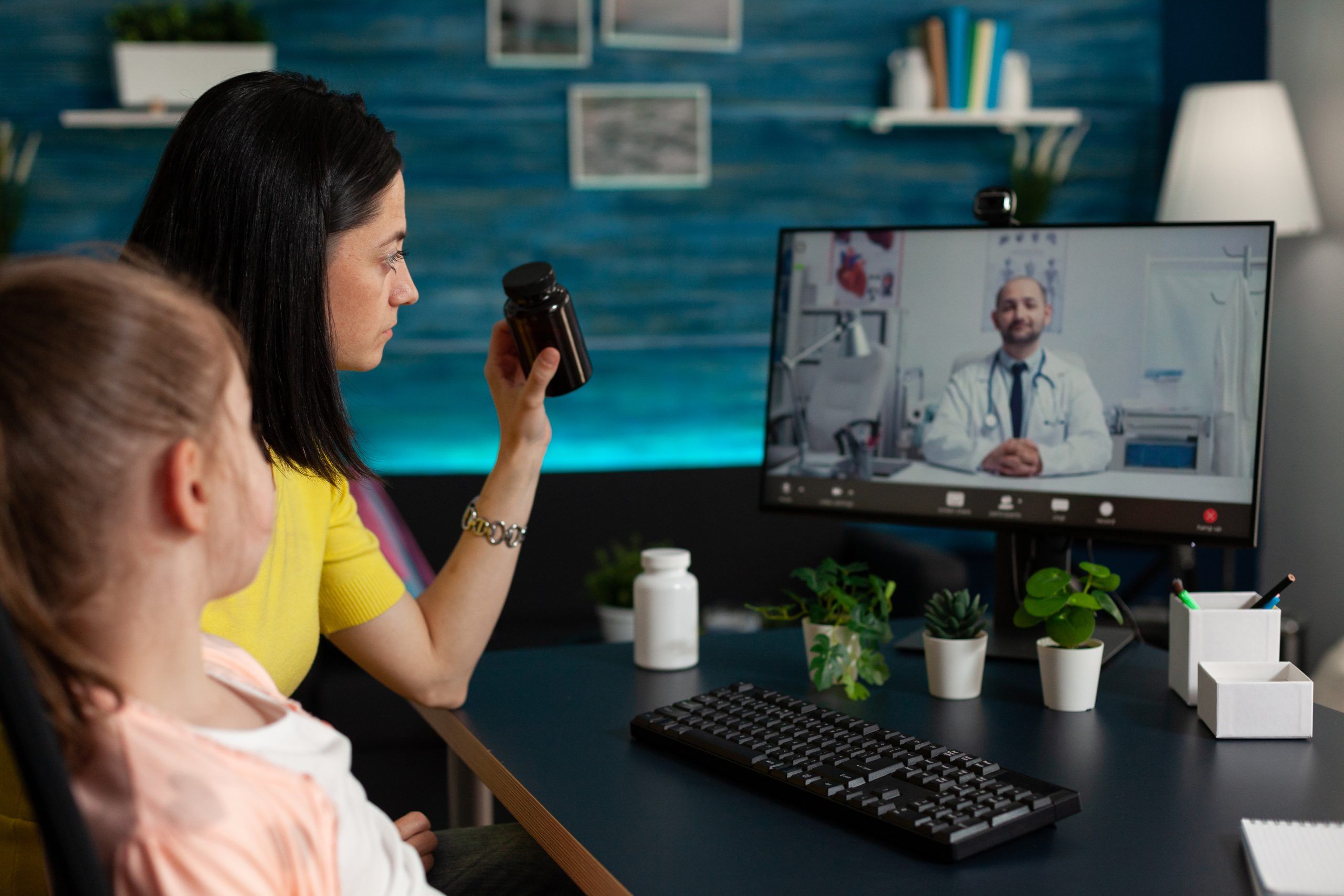
Telemedicine emerged as a practical solution to bridge these gaps. Advances in internet connectivity, smartphones, and digital health platforms made it possible to deliver certain healthcare services remotely. While telemedicine does not replace all in-person care, it provides an alternative for many non-emergency and follow-up interactions, helping healthcare systems manage demand more effectively.
Importance – Why Telemedicine Services Matter Today
Telemedicine services have become an important part of modern healthcare delivery due to changing patient needs and system pressures.
Saves Time for Patients
Remote consultations reduce travel time, waiting room delays, and scheduling challenges.
Reduces Unnecessary Clinic Visits
Many routine consultations and follow-ups can be handled without in-person appointments.
Improves Access to Healthcare
Telemedicine supports patients in remote or underserved areas.
Supports Continuity of Care
Patients can maintain regular contact with healthcare providers.
Optimizes Healthcare Resources
Clinics can allocate in-person visits to patients who need physical examinations.
Benefits a Wide Range of Users
Telemedicine services support:
-
Working professionals with limited time
-
Elderly patients with mobility challenges
-
Patients managing chronic conditions
-
Rural and remote communities
-
Healthcare providers and clinics
Addresses Common Healthcare Challenges
Telemedicine helps solve:
-
Long waiting times for appointments
-
Overcrowded clinics
-
Travel-related costs and delays
-
Missed follow-up visits
-
Limited access to specialists
As healthcare systems continue to adapt, telemedicine plays a key role in improving efficiency and patient experience.
Recent Updates – Trends and Developments in 2024–2025
Telemedicine services continued to evolve over the past year with several notable trends.
Expanded Integration with Primary Care (2024)
More clinics incorporated telemedicine into routine care pathways.
Growth of Hybrid Care Models
Healthcare providers combined in-person and virtual consultations based on patient needs.
Improved Digital Health Platforms
User-friendly interfaces and better appointment management tools were introduced.
Increased Use of Remote Monitoring
Devices such as blood pressure monitors and glucose trackers supported virtual care.
Rising Acceptance Among Patients
More patients became comfortable using digital consultations for routine care.
Focus on Quality and Standardization
Healthcare organizations emphasized consistent care delivery across virtual platforms.
These developments highlight telemedicine’s transition from a temporary solution to a long-term healthcare service.
Laws or Policies – Regulations Affecting Telemedicine Services
Telemedicine services operate within legal and regulatory frameworks designed to protect patients and providers.
Patient Privacy and Data Protection Laws
Telemedicine platforms must safeguard personal health information.
Medical Licensing Regulations
Healthcare providers must comply with licensing rules for remote consultations.
Telemedicine Practice Guidelines
Professional bodies issue standards for virtual care delivery.
Insurance and Reimbursement Policies
Some healthcare systems define when telemedicine consultations are covered.
Digital Health Regulations
Governments establish rules for secure communication and record-keeping.
These policies aim to ensure safe, ethical, and reliable telemedicine practices.
Tools and Resources – Helpful Support for Telemedicine Services
Various tools and resources support effective telemedicine delivery.
Useful Tools and Resources
| Tool / Resource | Purpose / Benefit |
|---|---|
| Telemedicine Platforms | Enable video and chat consultations |
| Electronic Health Records (EHRs) | Maintain patient history |
| Appointment Scheduling Apps | Reduce waiting times |
| Remote Monitoring Devices | Support ongoing health tracking |
| Secure Messaging Tools | Enable follow-up communication |
| Patient Portals | Improve access to medical information |
| Clinical Guidelines for Telemedicine | Support quality care |
| Digital Literacy Resources | Help patients use telehealth tools |
These tools help ensure smooth communication and reliable care delivery.
FAQs – Clear and Factual Answers
What are telemedicine services?
They are healthcare services provided remotely using digital communication tools.
How do telemedicine services save time?
They reduce travel, waiting times, and scheduling delays for patients.
Can telemedicine replace all clinic visits?
No. Some conditions still require physical examinations or tests.
Is telemedicine suitable for follow-up care?
Yes. Many follow-ups and routine reviews can be done virtually.
Are telemedicine services secure?
Yes. Platforms follow privacy and data protection regulations.
Final Thoughts
Telemedicine services have become an important tool for saving time and reducing unnecessary clinic visits in modern healthcare systems. By enabling remote consultations and follow-up care, telemedicine improves access, supports continuity of care, and helps healthcare providers manage resources more efficiently. Recent advancements in digital platforms, remote monitoring, and hybrid care models have strengthened its role in everyday healthcare. When supported by appropriate regulations, technology, and patient education, telemedicine services contribute to a more flexible, accessible, and efficient healthcare experience.