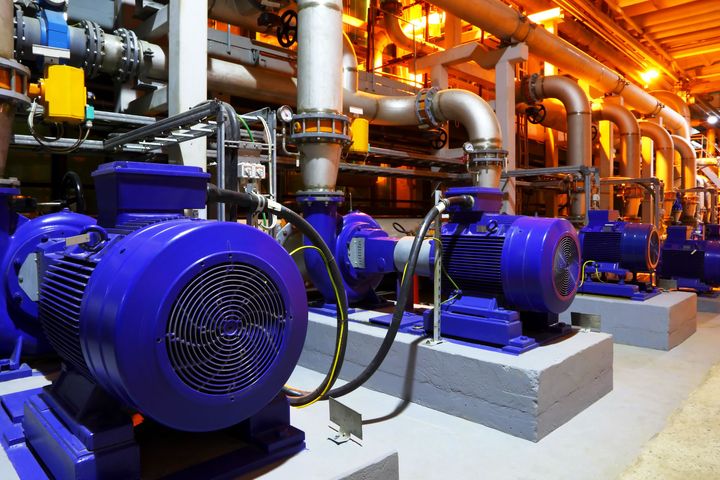
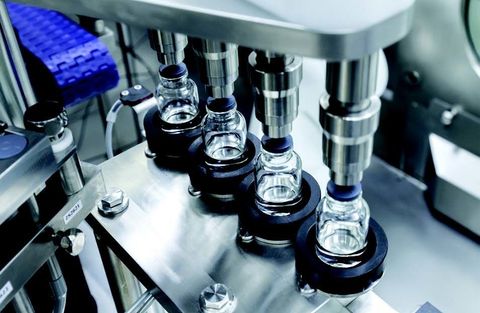
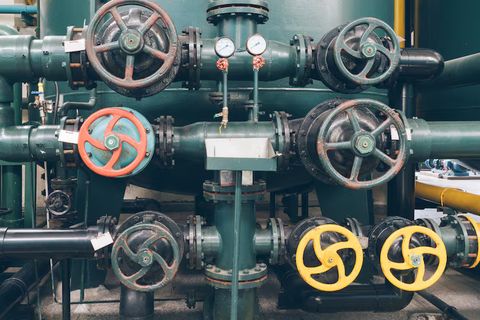
At their core, industrial pumps convert mechanical energy into hydraulic energy, allowing fluids to flow through pipelines, storage systems, or processing units. Different designs exist depending on the application, fluid type, and required pressure or flow rate. The need for such systems arose with the growth of large-scale industries that required consistent and controlled fluid movement for operations and safety.
Context: Understanding Industrial Water Pumps
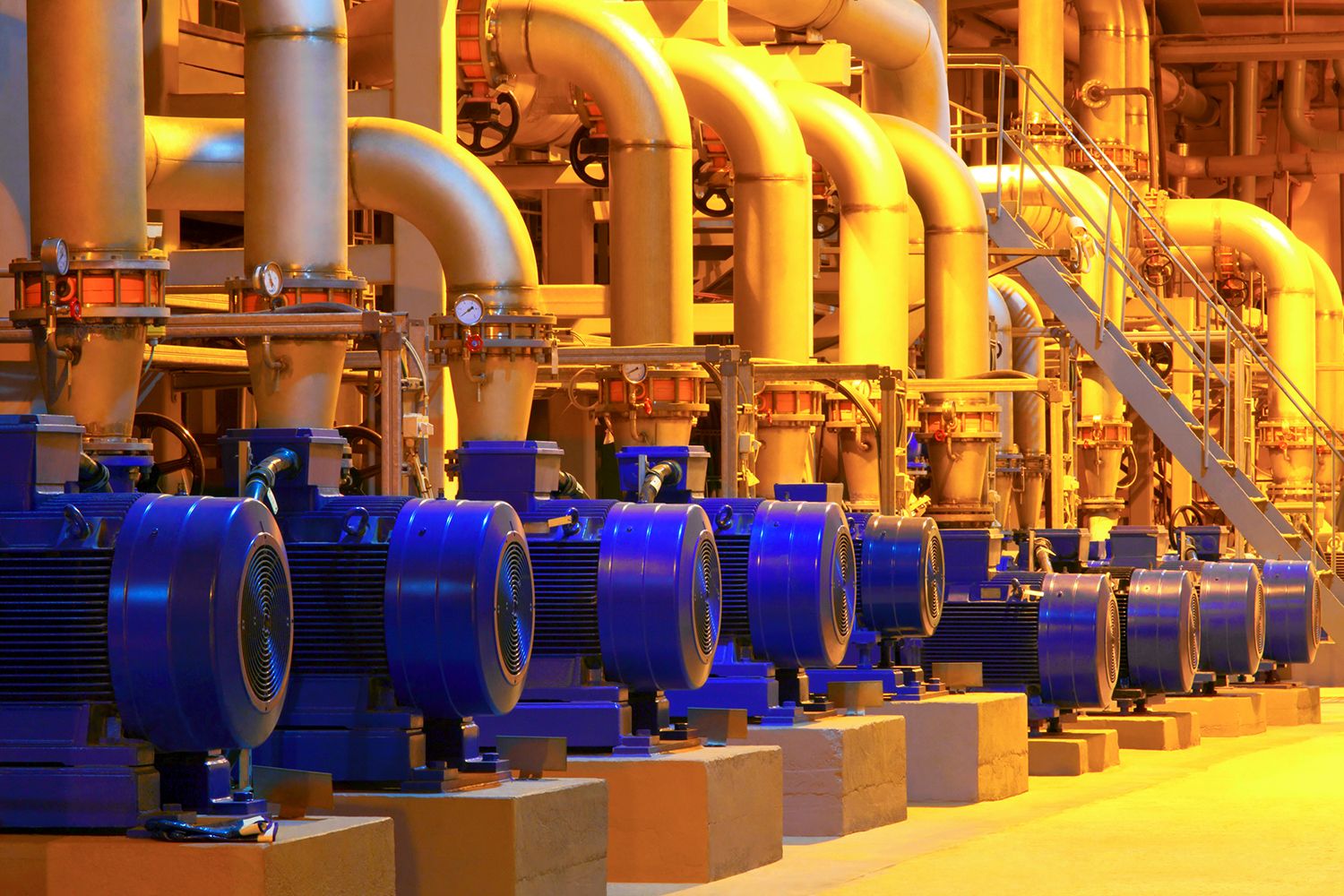
Industrial water pumps are not a single device but a category of machines with multiple types, each suited for specific tasks. The most common types include:
-
Centrifugal Pumps: Use rotating impellers to move fluid
-
Positive Displacement Pumps: Move fluid by trapping fixed amounts and forcing it through the system
-
Submersible Pumps: Operate underwater and are sealed to prevent leakage
-
Diaphragm Pumps: Use flexible membranes for controlled fluid transfer
These pumps are selected based on factors such as fluid viscosity, temperature, pressure requirements, and environmental conditions. For example, clean water transfer may use centrifugal pumps, while viscous or chemical fluids may require positive displacement pumps.
Industrial water pumps exist to ensure continuous operations where manual fluid handling would be inefficient or impractical. They are integrated into systems such as cooling towers, irrigation networks, wastewater treatment plants, and industrial processing lines.
Importance: Why Industrial Water Pumps Matter Today
Industrial water pumps play a critical role in modern infrastructure and production systems. Their importance has grown due to increasing demand for water management, resource efficiency, and environmental compliance.
These systems affect a wide range of stakeholders:
-
Industries: Manufacturing plants rely on pumps for cooling, cleaning, and processing
-
Agriculture: Irrigation systems depend on pumps for water distribution
-
Municipal Services: Water supply and wastewater management systems use pumps extensively
-
Energy Sector: Power plants use pumps for cooling and fluid circulation
Key problems these pumps help solve include:
-
Maintaining consistent fluid flow in large-scale operations
-
Supporting sanitation and wastewater treatment processes
-
Preventing downtime caused by inefficient fluid handling
-
Managing water resources in regions with variable supply
The reliability of industrial pumps directly impacts operational continuity. A malfunctioning pump can disrupt entire systems, making maintenance and proper selection essential.
Below is a simplified comparison of common pump types and their applications:
| Pump Type | Typical Use Case | Key Feature |
|---|
| Centrifugal Pump | Water supply, cooling systems | High flow, low pressure |
| Positive Displacement | Chemical handling, oil transfer | Precise flow control |
| Submersible Pump | Drainage, sewage systems | Operates underwater |
| Diaphragm Pump | Slurry, corrosive fluids | Leak-resistant design |
Recent Updates: Trends and Developments
Industrial water pump technology has seen several developments over the past year, driven by automation, energy efficiency, and digital monitoring.
-
2025: Increased adoption of smart pump systems with IoT integration. These systems allow real-time monitoring of performance metrics such as flow rate, pressure, and temperature.
-
Late 2024: Advancements in energy-efficient motor designs aimed at reducing power consumption in industrial operations.
-
2025: Expansion of predictive maintenance tools using AI-based analytics to identify potential failures before they occur.
-
Early 2026: Greater focus on sustainable water management, including pumps designed for water recycling and reuse systems.
These updates reflect a shift toward intelligent and environmentally responsible fluid management systems. Industries are increasingly integrating digital tools to improve efficiency and reduce resource waste.
Laws or Policies: Regulatory Considerations
Industrial water pumps are subject to various regulations and standards that ensure safety, efficiency, and environmental compliance. In India and many other countries, these rules are enforced by government agencies and industry bodies.
Key regulatory areas include:
-
Energy Efficiency Standards: Guidelines from organizations such as the Bureau of Energy Efficiency (BEE) promote the use of energy-efficient equipment.
-
Environmental Regulations: Pollution control boards regulate wastewater discharge and require proper pumping systems for treatment plants.
-
Safety Standards: Pumps must comply with safety norms related to electrical systems, pressure handling, and operational reliability.
-
Water Management Policies: Government initiatives encourage efficient water use in agriculture and industry, influencing pump selection and usage.
Programs related to water conservation and infrastructure development also indirectly affect the adoption of advanced pumping systems. Compliance with these regulations helps ensure safe operation and sustainable practices.
Tools and Resources: Helpful Support for Users
Understanding and managing industrial water pumps is supported by various tools and resources. These can help with selection, maintenance, and performance monitoring.
-
Pump Selection Calculators: Online tools that help determine the right pump type based on flow rate and head requirements
-
Energy Efficiency Calculators: Tools to estimate energy consumption and optimize usage
-
Monitoring Software: Applications that track pump performance in real time
-
Maintenance Checklists: Templates for routine inspection and servicing
-
Industry Websites: Resources from organizations like Hydraulic Institute and engineering forums
-
Technical Manuals: Manufacturer-provided guides for installation and operation
These resources are useful for engineers, technicians, and facility managers who need accurate and practical information.
A simple representation of pump system flow is shown below:
Input Energy → Pump Mechanism → Fluid Movement → Output Flow
This flow highlights how energy is transformed into movement, which is the fundamental principle behind all pump systems.
FAQs: Common Questions About Industrial Water Pumps
What is the main function of an industrial water pump?
The main function is to move water or other fluids efficiently from one location to another within an industrial system.
How do I choose the right type of pump?
Selection depends on factors such as fluid type, required flow rate, pressure, and operating environment. Technical specifications and system requirements should guide the decision.
What maintenance is required for industrial pumps?
Regular maintenance includes checking seals, bearings, lubrication, and monitoring performance indicators like vibration and temperature.
Are industrial pumps energy-efficient?
Modern pumps are designed with energy efficiency in mind, especially those equipped with advanced motors and control systems. Efficiency depends on proper selection and operation.
Can industrial pumps handle different types of fluids?
Yes, but the pump type must match the fluid characteristics. For example, corrosive or viscous fluids require specialized pump designs.
Final Thoughts
Industrial water pumps are a foundational component of modern infrastructure and industrial operations. Their ability to move fluids efficiently supports a wide range of applications, from manufacturing and agriculture to environmental management.
With ongoing advancements in technology, including smart monitoring and energy-efficient designs, these systems are becoming more reliable and adaptable. At the same time, regulatory frameworks and sustainability goals are shaping how pumps are used and maintained.
A clear understanding of pump types, functions, and supporting tools can help ensure effective fluid management. As industries continue to evolve, the role of industrial water pumps remains essential in maintaining operational stability and resource efficiency.