Helpful Advice for Operating and Maintaining Vial Filling Systems
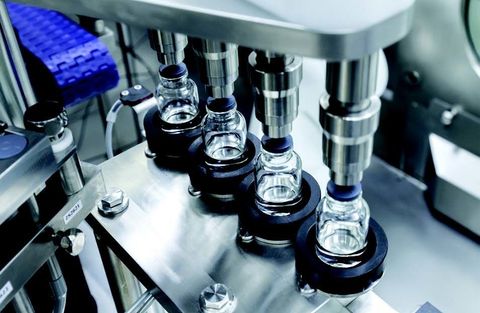
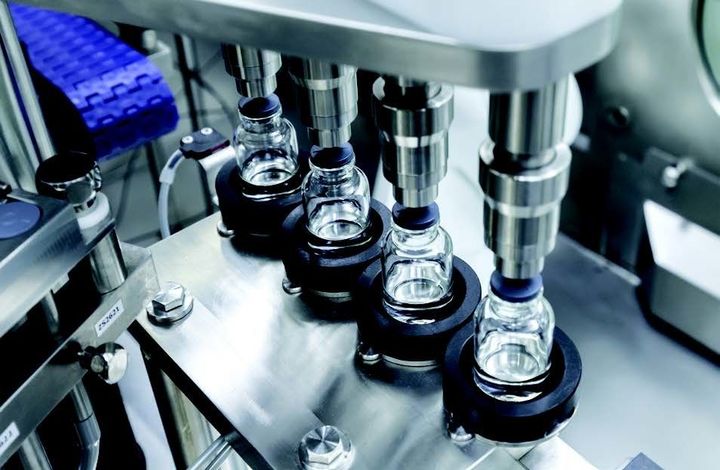
Vial filling systems are specialized machines used in pharmaceutical, biotech, and chemical manufacturing to accurately fill liquid, powder, or lyophilized products into sterile vials. They play a major role in producing vaccines, injectable drugs, diagnostic reagents, and laboratory materials.
These systems exist because vial packaging requires extremely precise and contamination-free handling. Manual filling would increase errors and compromise sterility. Automated vial filling systems ensure consistent filling volumes, protect products from exposure, and support mass production while maintaining high quality standards.
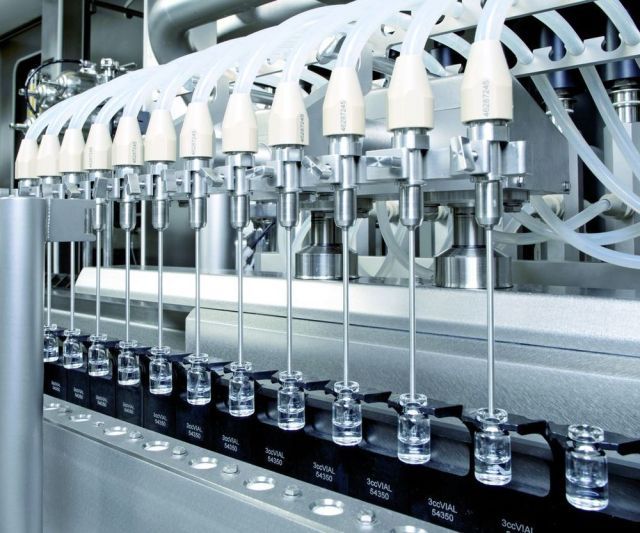
Common types of vial filling systems include:
-
Liquid vial filling machines
-
Powder vial fillers
-
Lyophilized product filling lines
-
Rotary and linear filling systems
-
Fully automatic aseptic filling machines
Automation helps standardize processes, reduce contamination risk, and improve operational efficiency in sterile manufacturing environments.
Importance – Why Vial Filling Systems Matter Today
Vial filling systems are essential in industries where precision and sterility are critical. Their importance has grown rapidly with rising global demand for vaccines, injectables, and biotech products.
Who Depends on These Systems
-
Pharmaceutical manufacturers
-
Biotechnology labs
-
Contract manufacturing organizations (CMOs)
-
Hospitals and research facilities
-
Diagnostic kit manufacturers
Problems Vial Filling Systems Help Solve
-
Prevent contamination in sterile drug products
-
Maintain accurate fill volumes
-
Reduce product loss during filling
-
Improve production speed and consistency
-
Support compliance with strict regulatory standards
-
Minimize human handling in sensitive environments
As injectable medicines continue to expand globally, maintaining efficient vial filling operations is more important than ever.
Recent Updates – New Trends and Advancements (2024–2025)
The vial filling industry has seen steady innovation in automation, sterility assurance, and quality monitoring.
Rise of Isolator and RABS Technology (2024)
Manufacturers increasingly use isolators and Restricted Access Barrier Systems (RABS) to enhance sterility and reduce contamination risks. This shift supports stricter aseptic guidelines worldwide.
Integration of Smart Sensors and IoT
Modern systems include sensors that monitor:
-
Fill volume accuracy
-
Air pressure
-
Temperature and humidity
-
Machine vibration and wear
These sensors allow predictive maintenance and reduce unexpected downtime.
Advances in Peristaltic Pump Filling
New pump technologies offer improved accuracy for small-volume fills required for vaccines, peptides, and biologics.
Single-Use Filling Components
Adoption of single-use systems has increased because they:
-
Reduce cleaning time
-
Lower contamination risk
-
Support quick product changeovers
Higher-Speed Filling Solutions
New rotary vial filling systems introduced in 2024 can handle more than 600 vials per minute while maintaining aseptic conditions.
Automated In-Process Control (IPC)
Systems now automatically check and record weight, fill levels, and stopper placement, reducing human involvement and improving traceability.
These updates reflect the industry's priorities: sterility, accuracy, and operational efficiency.
Laws or Policies – Regulations Affecting Vial Filling Systems
Vial filling systems are part of tightly regulated pharmaceutical production processes. Manufacturers must meet global and local guidelines depending on their region.
Good Manufacturing Practices (GMP)
Regulatory bodies such as:
-
U.S. Food and Drug Administration (FDA)
-
European Medicines Agency (EMA)
-
World Health Organization (WHO)
-
India’s Central Drugs Standard Control Organization (CDSCO)
require vial filling systems to meet GMP standards, including:
-
Aseptic processing controls
-
Equipment validation
-
Sterilization protocols
-
Documentation and batch records
-
Operator training
Annex 1 – EU GMP Guidelines (Revised 2023–2024)
Annex 1 emphasizes:
-
Minimizing contamination risks
-
Using barrier systems like isolators
-
Implementing automated environmental monitoring
ISO Standards
Relevant ISO certifications include:
-
ISO 14644 (cleanroom standards)
-
ISO 13485 (medical device quality systems)
Workplace Safety Regulations
Rules require:
-
Proper ventilation
-
Safe handling of chemicals and biological materials
-
Machine guarding and emergency stop systems
Compliance ensures product safety and protects both workers and end users.
Tools and Resources – Helpful Support for Vial Filling Operations
Efficient vial filling requires the right tools and support resources.
Operational Tools
-
Liquid volume calibration tools
-
Peristaltic pump tuning kits
-
Sensor alignment tools
-
Cleanroom environmental monitoring systems
-
Laminar airflow hoods for aseptic setup
Digital Tools and Software
-
SCADA systems for machine data logging
-
Automated batch reporting software
-
Predictive maintenance apps
-
Quality control data analysis tools
Templates and Checklists
-
Vial filling SOP templates
-
Aseptic setup checklists
-
Cleaning and sterilization logs
-
Equipment validation documentation templates
Educational Resources
-
GMP guidelines from FDA, EMA, and WHO
-
Instruction manuals from equipment manufacturers
-
Online training modules on aseptic processing
-
Industry forums on biologics and injectable manufacturing
These resources help improve consistency, safety, and regulatory readiness.
Operating Vial Filling Systems – Practical Guidance
Ensure Proper System Setup
Operators should:
-
Confirm cleanroom readiness
-
Validate temperature and humidity levels
-
Inspect filling needles and pumps
-
Calibrate sensors and load cells
-
Test airflow and pressure systems
A proper start-up reduces errors and contamination risks.
Use Correct Filling Parameters
Important variables include:
-
Fill volume
-
Pump speed
-
Nozzle height
-
Vial size compatibility
-
Stopper insertion pressure
Accurate settings ensure uniform and reliable results.
Monitor Fill Levels Regularly
Automatic inspection systems can help verify consistency, but operators should occasionally cross-check manually, especially when running sensitive formulations.
Maintain Aseptic Techniques
Operators should follow:
-
Proper gowning protocols
-
Sterile handling procedures
-
Equipment disinfection steps
-
Limitations on unnecessary movement
Aseptic discipline is essential in controlled environments.
Maintenance Advice for Vial Filling Systems
Clean and Sterilize Equipment Thoroughly
After each batch:
-
Rinse lines and pumps
-
Remove product residue
-
Sterilize components using autoclaves or validated cleaning solutions
Inspect Wearable Parts Regularly
Parts that require frequent inspection include:
-
Needles and nozzles
-
Gaskets and seals
-
Tubing and hoses
-
Pumps
-
Conveyor belts
Replacing worn parts early prevents breakdowns.
Lubricate Moving Components
Use manufacturer-approved lubricants to reduce friction and prolong machine life.
Check Sensors and Calibration
Regular calibration ensures:
-
Accurate fill volumes
-
Proper stopper placement
-
Reliable weight checks
Monitor Environmental Conditions
Cleanrooms should maintain:
-
Positive pressure
-
HEPA-filtered airflow
-
Proper humidity and temperature
Environmental stability directly affects product quality.
Comparison Table: Key Components of Vial Filling Systems
| Component | Function | Importance |
|---|---|---|
| Filling Needle | Dispenses liquid into vials | Ensures accuracy and reduces splashing |
| Peristaltic Pump | Controls liquid flow | Suitable for sterile and biologics |
| Stoppering Unit | Places stoppers on filled vials | Maintains aseptic sealing |
| Conveyor System | Moves vials through the line | Supports high-speed production |
| Sensors | Detect vial presence, fill level, stopper alignment | Improves accuracy and reduces defects |
FAQs
Why is vial filling accuracy so important?
Small variations in dose can affect drug safety and effectiveness, making precise filling essential in pharmaceuticals.
How often should a vial filling system be cleaned?
Most systems require cleaning and sterilization after every batch or product changeover to maintain aseptic conditions.
What is the difference between liquid and powder vial filling machines?
Liquid vial fillers use pumps and needles, while powder filling systems rely on vacuum or auger-based technologies.
Can vial filling machines work with biologics?
Yes. Many systems are designed for sensitive biologics, using gentle peristaltic pumps and single-use components.
Are isolators necessary for vial filling?
While not mandatory, isolators significantly improve sterility and reduce human intervention, aligning with modern GMP expectations.
Final Thoughts
Vial filling systems are central to safe and reliable pharmaceutical and biotech production. By following proper operational guidelines, maintaining aseptic conditions, and performing regular machine maintenance, organizations can ensure consistent product quality and regulatory compliance. As technology advances, automation and digital monitoring continue to enhance accuracy, efficiency, and sterility in vial filling processes.