Your Ultimate Guide to Industrial Lamination Processes and Materials
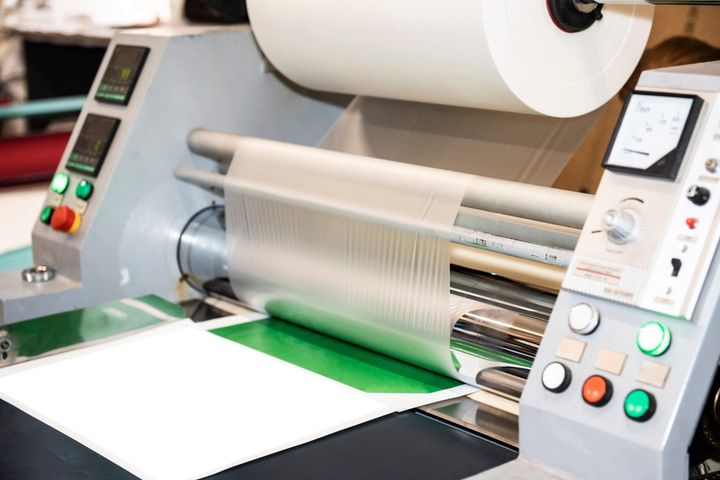
Industrial lamination is the process of bonding two or more layers of materials together to improve durability, protection, appearance, or functionality. These layers may include plastic films, paper, aluminum foil, textiles, or specialized polymers. Lamination exists to enhance product performance by adding strength, moisture resistance, UV protection, or insulation.
The need for lamination arose as industries demanded packaging and materials that could withstand transportation risks, environmental exposure, and handling pressure. Over time, lamination expanded from printing and packaging into sectors like automotive, construction, electronics, textiles, and renewable energy.
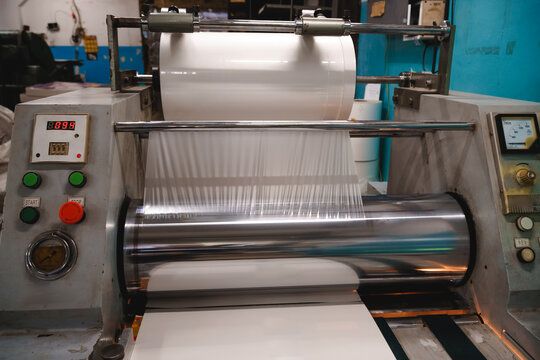
Today, lamination plays a significant role in product manufacturing, protecting surfaces, improving life cycles, and enabling advanced applications such as flexible electronics and thermal insulation.
Importance: Why Industrial Lamination Matters Today
Industrial lamination supports modern manufacturing by ensuring that materials remain strong, reliable, and suitable for demanding environments.
Who It Affects
Industries that rely heavily on lamination include:
-
Packaging and food processing
-
Print and paper manufacturing
-
Automotive and aerospace
-
Building and construction
-
Solar panels and electronics
-
Textile and apparel
-
Furniture and interior design
Problems Lamination Solves
-
Protection against moisture, dust, and chemicals: Essential in food packaging and industrial goods.
-
Increased durability: Laminated materials last longer, reducing replacement and waste.
-
Improved surface properties: Prevents scratches, fading, and environmental damage.
-
Enhanced barrier properties: Important for pharmaceuticals, sensitive electronics, and perishable foods.
-
Better aesthetics: Gloss, matte, and textured finishes improve product appearance.
-
Temperature resistance: Crucial for automotive components and construction materials.
Table: Benefits of Industrial Lamination
| Benefit | Description |
|---|---|
| Protection | Shields surfaces from moisture, UV, abrasion |
| Strength | Boosts mechanical durability |
| Barrier | Restricts oxygen, odor, or microbial exposure |
| Aesthetics | Improves visual appeal |
| Functionality | Adds insulation, conductivity, or flexibility |
Recent Updates: Industry Trends and Innovations (2023–2024)
The industrial lamination sector continues to shift toward sustainability, efficiency, and smart manufacturing. Several notable updates have emerged over the past year.
Key Trends and Developments
-
Eco-friendly lamination materials (2024): Manufacturers are developing recyclable and compostable films to replace traditional plastic-based laminates.
-
Solvent-free and water-based adhesives: More companies are adopting green adhesive technologies to reduce emissions and comply with stricter environmental regulations.
-
Introduction of smart laminated materials (mid-2023): These materials integrate sensors, printed electronics, and temperature indicators for industrial uses.
-
Automation in lamination lines: AI-driven inspection systems became more widely used in 2024 to detect defects and improve quality control.
-
High-temperature lamination materials: Growing demand from electric vehicle (EV) battery manufacturing has driven innovations in heat-resistant laminates.
Graph: Growth Trend of Lamination Demand (Conceptual)
Demand continues to rise due to packaging and electronics sector expansion.
Laws or Policies: Regulations Affecting Lamination Processes
Regulations vary by country, but most are centered around environmental protection, worker safety, and material compliance.
Common Regulatory Areas
-
Environmental Standards:
-
Restrictions on volatile organic compounds (VOCs) often impact solvent-based lamination adhesives.
-
Many regions encourage low-emission and recyclable lamination materials.
-
-
Food-Safe Packaging Laws:
For laminated food packaging, countries follow:-
FDA food-contact regulations (USA)
-
FSSAI packaging laws (India)
-
EU Regulation (EC) 1935/2004 for food-safe materials
-
-
Industrial Safety Requirements:
Most countries enforce machine safety guidelines for lamination equipment under workplace safety laws. -
Waste Management Policies:
Plastic laminate waste disposal is regulated by environmental protection agencies.
Purpose of These Regulations
-
Ensure worker safety
-
Limit environmental impact
-
Promote recyclable and low-chemical materials
-
Maintain quality and hygiene standards
-
Encourage responsible manufacturing practices
Tools and Resources: Helpful Apps, Calculators, and Platforms
Several tools support better lamination design, quality control, and production efficiency.
Useful Tools and Resources
-
Material Thickness Calculators
-
Online lamination thickness calculators
-
Gauge-to-micron conversion tools
-
-
Adhesive Selection Tools
-
Adhesive manufacturer recommendation guides
-
Compatibility checkers for substrates
-
-
Quality Inspection Tools
-
AI-based lamination defect detection systems
-
Digital coating and thickness measurement tools
-
-
Industry Standards and Resources
-
ASTM lamination testing standards
-
ISO 8510 for peel resistance
-
TAPPI guidelines for paper and film lamination
-
-
Training Resources
-
Packaging Institute online courses
-
Engineering webinars on barrier materials
-
Table: Common Lamination Materials and Uses
| Material | Properties | Common Uses |
|---|---|---|
| PET Film | Strong, heat-resistant | Food packaging, electronics |
| BOPP Film | Lightweight, glossy | Labels, flexible packaging |
| Aluminum Foil | Excellent barrier | Pharmaceuticals, insulation |
| PVC Film | Durable, flexible | Furniture, décor laminates |
| EVA Film | Adhesive, transparent | Solar panels, safety glass |
FAQs
1. What is industrial lamination used for?
Industrial lamination is used to strengthen materials, improve appearance, and provide protection from moisture, wear, and environmental exposure. It is widely used in packaging, construction, printing, and electronics.
2. What materials can be laminated?
Common materials include paper, plastic films, aluminum foil, textiles, glass, composites, and specialty polymers.
3. What are the main types of lamination processes?
The most used processes are thermal lamination, cold lamination, extrusion lamination, adhesive lamination, and pressure-sensitive lamination.
4. Is laminated material recyclable?
Some laminated materials are recyclable, but multi-layer laminates containing mixed materials may be difficult to recycle. The industry is moving toward monomaterial laminates to improve sustainability.
5. How do I choose the right lamination material?
Selection depends on the application, required strength, exposure to heat or moisture, and regulatory requirements such as food safety.
Final Thoughts
Industrial lamination plays an essential role in protecting materials, improving product performance, and enabling innovation across numerous sectors. As industries continue to evolve, so do lamination technologies, with a strong emphasis on sustainability, automation, and smart materials. Understanding lamination processes, materials, trends, and regulations helps businesses make informed decisions that support both performance and environmental responsibility.