Understanding Industrial Gas Systems for Better Energy Management
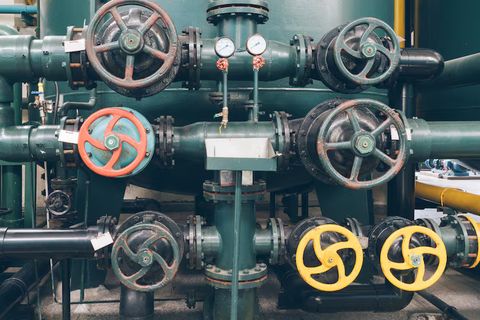
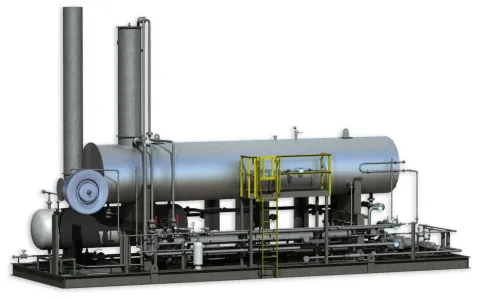
Industrial gas systems are integrated networks designed to produce, store, treat, transport, and use gases within industrial and commercial environments. These systems support the controlled delivery of gases such as natural gas, oxygen, nitrogen, hydrogen, and other process gases required for heating, power generation, manufacturing, and chemical processes.
Industrial gas systems exist because many industrial operations depend on precise gas supply conditions. Pressure, flow rate, purity, and safety must be carefully managed to ensure stable operations. Over time, gas systems have evolved from simple supply lines into complex, monitored infrastructures that support energy efficiency and operational reliability.
Today, industrial gas systems are a critical part of energy management strategies. They help organizations optimize fuel use, reduce losses, and maintain consistent performance across diverse applications.
Importance
Industrial gas systems matter because energy efficiency and reliability are central to modern industrial operations. Poorly managed gas systems can lead to energy waste, safety risks, and unplanned downtime.
Why this topic matters today
Several trends have increased the importance of industrial gas systems:
-
Rising energy costs and efficiency expectations
-
Expansion of gas-based power and heating systems
-
Increased automation and process control
-
Stronger focus on sustainability and emissions management
Well-designed industrial gas systems help organizations use energy more effectively while maintaining safety and compliance.
Who industrial gas systems affect
-
Manufacturing and processing industries
-
Power generation facilities
-
Commercial and institutional buildings
-
Utilities and infrastructure operators
-
Energy and facility management teams
Understanding these systems supports better planning, operation, and long-term energy management.
What Are Industrial Gas Systems Made Of
Industrial gas systems consist of multiple interconnected components that work together to deliver gas safely and efficiently.
Core components of industrial gas systems
-
Gas supply sources
-
Compression and pressure control equipment
-
Treatment and conditioning units
-
Storage and distribution networks
-
Monitoring and safety systems
The table below summarizes key components and their roles.
| Component | Function |
|---|---|
| Supply source | Provides raw or processed gas |
| Compressors | Control pressure and flow |
| Treatment units | Improve gas quality |
| Storage | Balance supply and demand |
| Distribution | Deliver gas to end points |
| Controls | Monitor and regulate operation |
Each component contributes to system stability and efficiency.
Role of Industrial Gas Systems in Energy Management
Energy management focuses on using energy efficiently while meeting operational needs. Industrial gas systems play a direct role in this process.
How gas systems support energy management
-
Deliver fuel at optimal pressure and flow
-
Reduce energy losses during transport
-
Enable accurate measurement and control
-
Support integration with energy management systems
Efficient gas handling reduces fuel consumption and improves overall system performance.
Types of Gases Used in Industrial Systems
Different gases serve different energy and process functions.
Common industrial gases
-
Natural gas for heating and power
-
Hydrogen for refining and energy applications
-
Oxygen for combustion and processing
-
Nitrogen for inerting and safety
-
Specialty gases for manufacturing
The table below shows typical uses.
| Gas Type | Common Use |
|---|---|
| Natural gas | Fuel and heating |
| Hydrogen | Processing and energy |
| Oxygen | Combustion support |
| Nitrogen | Inerting and protection |
| Specialty gases | Manufacturing processes |
Managing these gases efficiently is essential for energy optimization.
Pressure and Flow Control in Gas Systems
Pressure and flow control are central to industrial gas system performance.
Why control is important
-
Prevents energy waste
-
Protects equipment from damage
-
Maintains consistent process conditions
-
Supports safety and reliability
The table below highlights control benefits.
| Control Aspect | Energy Impact |
|---|---|
| Stable pressure | Reduced losses |
| Controlled flow | Efficient usage |
| Balanced distribution | Optimized demand |
Accurate control improves both energy efficiency and system lifespan.
Gas Treatment and Conditioning
Gas treatment ensures that gas quality meets operational and safety requirements.
Common treatment processes
-
Dehydration to remove moisture
-
Sweetening to remove acidic components
-
Filtration to remove solids
-
Temperature conditioning
The table below summarizes treatment purposes.
| Treatment | Purpose |
|---|---|
| Dehydration | Prevent corrosion |
| Sweetening | Improve safety |
| Filtration | Protect equipment |
| Conditioning | Stabilize performance |
Proper treatment reduces maintenance needs and energy losses.
Storage and Distribution Systems
Storage and distribution help balance supply and demand.
Storage roles in energy management
-
Buffer peak demand
-
Improve supply reliability
-
Support load balancing
Distribution considerations
-
Pipeline sizing
-
Leak prevention
-
Pressure management
The table below shows system roles.
| Element | Energy Benefit |
|---|---|
| Storage | Demand smoothing |
| Distribution | Efficient delivery |
Well-managed storage and distribution reduce waste and improve energy planning.
Applications of Industrial Gas Systems
Industrial gas systems support a wide range of applications.
Common application areas
-
Power generation and cogeneration
-
Industrial heating and furnaces
-
Chemical and petrochemical processing
-
Manufacturing and fabrication
-
Commercial heating systems
| Sector | Energy Role |
|---|---|
| Power | Fuel supply |
| Manufacturing | Process heat |
| Chemicals | Reaction control |
| Commercial | Building heating |
Each application has unique energy and control requirements.
Recent Updates
Industrial gas systems have seen significant advancements in recent years.
Notable developments during 2024–2025
-
In March 2024, increased adoption of digital gas monitoring platforms
-
In August 2024, improved efficiency in gas compression and control technologies
-
By January 2025, wider integration of gas systems with energy management software
These developments support more data-driven and efficient energy use.
Digitalization and Automation
Modern industrial gas systems increasingly rely on automation.
Benefits of digital gas systems
-
Real-time monitoring
-
Predictive maintenance
-
Improved energy tracking
-
Faster response to demand changes
The table below highlights automation benefits.
| Feature | Advantage |
|---|---|
| Sensors | Accurate data |
| Automation | Reduced manual control |
| Analytics | Energy optimization |
Digital tools help organizations manage gas use more effectively.
Environmental Considerations
Industrial gas systems influence environmental performance.
Environmental focus areas
-
Reduced fuel waste
-
Lower emissions through efficient combustion
-
Leak detection and prevention
-
Support for cleaner gas fuels
Efficient systems contribute to sustainability goals without compromising operations.
Safety Role of Industrial Gas Systems
Safety is a fundamental aspect of gas system design.
Key safety elements
-
Pressure relief devices
-
Gas detection systems
-
Emergency shutdown mechanisms
-
Ventilation and isolation systems
Safe operation protects people, equipment, and facilities.
Laws or Policies
Industrial gas systems are regulated by safety, energy, and environmental policies.
In India
-
Industrial safety regulations for gas handling
-
Energy efficiency guidelines for large facilities
-
Environmental norms for emissions and leaks
General regulatory considerations
-
Compliance with pressure equipment standards
-
Periodic inspection and certification
-
Documentation and reporting requirements
These policies ensure responsible energy use and system safety.
Energy Auditing and Performance Monitoring
Energy audits help evaluate gas system efficiency.
Common audit focus areas
-
Gas consumption patterns
-
Losses and leaks
-
Equipment performance
-
Control system effectiveness
Audits support continuous improvement in energy management.
Tools and Resources
Several tools and resources support industrial gas system management.
Engineering and planning tools
-
Gas flow and pressure calculators
-
System sizing templates
-
Energy modeling software
Monitoring and management resources
-
Gas consumption dashboards
-
Leak detection systems
-
Maintenance management platforms
Educational resources
-
Industrial energy management guides
-
Engineering handbooks
-
Technical training programs
These tools help improve efficiency and reliability.
Comparing Managed and Unmanaged Gas Systems
| Aspect | Unmanaged System | Managed System |
|---|---|---|
| Energy efficiency | Low | Improved |
| Losses | High | Reduced |
| Reliability | Variable | Stable |
| Safety | Higher risk | Controlled |
This comparison highlights the value of proper system management.
FAQs
What is an industrial gas system?
An industrial gas system is a network that supplies, controls, and manages gases used for energy and industrial processes.
How do industrial gas systems improve energy management?
They optimize gas delivery, reduce losses, and support accurate monitoring and control.
Are industrial gas systems used only in large industries?
No. They are also used in commercial buildings, utilities, and institutional facilities.
Do industrial gas systems require regular monitoring?
Yes. Continuous monitoring is essential for safety, efficiency, and compliance.
Can industrial gas systems support sustainability goals?
Yes. Efficient systems reduce waste, emissions, and overall energy consumption.
Final Thoughts
Industrial gas systems are a foundational element of modern energy management. By controlling how gases are supplied, treated, and used, these systems help organizations balance energy efficiency, reliability, and safety.
Understanding the components, functions, and regulatory context of industrial gas systems allows businesses and facilities to manage energy more effectively. Rather than operating as isolated utilities, gas systems are now integrated into broader energy strategies.