Understanding Gas Generator Sets for Industrial and Commercial Use
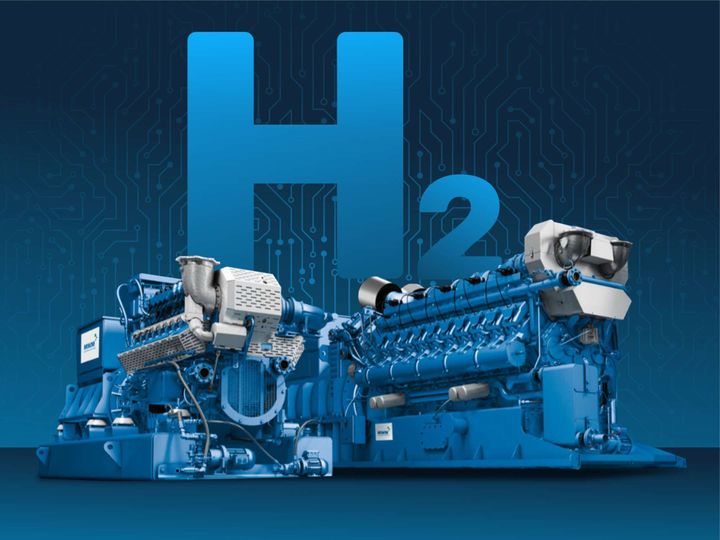
Gas generator sets, often called gas gensets, are power generation systems that use gaseous fuels to produce electricity. They typically combine an internal combustion engine powered by gas with an alternator that converts mechanical energy into electrical energy. These systems exist to provide reliable on-site power where grid supply may be unavailable, unstable, or insufficient for operational needs.
Historically, generator sets were mainly associated with emergency backup power. Over time, gas generator sets expanded into continuous and prime power roles as industries sought flexible, efficient, and cleaner power solutions. Advances in engine technology, controls, and fuel availability have made gas gensets suitable for a wide range of industrial and commercial applications.
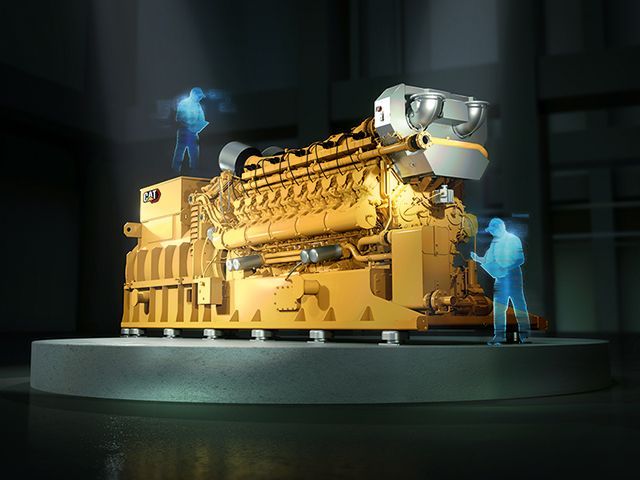
Today, gas generator sets are used to support manufacturing operations, commercial buildings, infrastructure projects, and utility services. They play an important role in ensuring continuity of operations and managing energy demand.
Importance
Gas generator sets matter because reliable electricity is essential for modern industrial and commercial activities. Power interruptions can lead to production losses, safety risks, and service disruptions.
Why this topic matters today
Several factors have increased interest in gas generator sets:
-
Growing electricity demand from industrial and commercial sectors
-
Grid reliability challenges in some regions
-
Need for flexible and distributed power generation
-
Focus on lower-emission alternatives to traditional fuels
Gas generator sets help address these challenges by providing controllable, on-site power that can operate independently or alongside the grid.
Who gas generator sets affect
-
Manufacturing plants and industrial facilities
-
Commercial buildings such as offices, malls, and hospitals
-
Data centers and telecom infrastructure
-
Utilities and energy service providers
-
Facility managers and operations teams
Understanding gas generator sets helps these stakeholders plan power systems that support safety, efficiency, and continuity.
How Gas Generator Sets Work
Gas generator sets convert the chemical energy of fuel into electrical power through a controlled combustion process.
Basic operating process
-
Gaseous fuel is supplied to the engine
-
Air and fuel are mixed and ignited in the engine cylinders
-
The engine produces mechanical rotation
-
The alternator converts rotation into electricity
-
Control systems regulate output and safety
The table below outlines the main components and their functions.
| Component | Function |
|---|---|
| Gas engine | Produces mechanical power |
| Alternator | Generates electricity |
| Fuel system | Supplies and controls gas |
| Control panel | Manages operation |
| Cooling system | Maintains temperature |
| Exhaust system | Handles combustion gases |
This integrated system allows gas generator sets to operate reliably under different load conditions.
Types of Gas Generator Sets
Gas generator sets are classified based on application and operating mode.
Standby gas generator sets
These are used as backup power sources during grid outages. They start automatically when power is lost and shut down when grid supply returns.
Prime power gas generator sets
Prime power gensets provide continuous power in locations where grid electricity is unreliable or unavailable for extended periods.
Continuous power gas generator sets
These systems are designed for constant operation at a steady load, often used in industrial processes or isolated locations.
The table below compares common operating modes.
| Operating Mode | Typical Use |
|---|---|
| Standby | Emergency backup |
| Prime power | Ongoing primary supply |
| Continuous | Constant operation |
Selecting the right type depends on how the generator set will be used.
Fuels Used in Gas Generator Sets
Gas generator sets can operate on different types of gaseous fuels.
Common gaseous fuels
-
Natural gas
-
Biogas from organic waste
-
Landfill gas
-
Syngas from industrial processes
The table below shows typical fuel characteristics.
| Fuel Type | Common Source |
|---|---|
| Natural gas | Utility pipelines |
| Biogas | Waste treatment plants |
| Landfill gas | Waste disposal sites |
| Syngas | Industrial processes |
Fuel availability and quality influence system design and performance.
Industrial Applications of Gas Generator Sets
In industrial environments, gas generator sets support both core operations and auxiliary systems.
Common industrial uses
-
Manufacturing process power
-
Combined heat and power systems
-
Mining and resource extraction
-
Oil and gas field operations
-
Industrial backup power
The table below shows examples.
| Industry | Purpose |
|---|---|
| Manufacturing | Process continuity |
| Mining | Remote power supply |
| Oil and gas | Field operations |
| Utilities | Load support |
These applications require robust and well-maintained systems.
Commercial Applications of Gas Generator Sets
Commercial facilities use gas generator sets to maintain services and safety systems.
Common commercial uses
-
Hospitals and healthcare facilities
-
Data centers and IT infrastructure
-
Shopping centers and office buildings
-
Hotels and large residential complexes
The table below highlights commercial applications.
| Facility Type | Power Role |
|---|---|
| Hospitals | Critical backup |
| Data centers | Continuous reliability |
| Offices | Business continuity |
| Retail | Customer safety |
In these settings, power reliability directly affects people and services.
Recent Updates
Gas generator set technology has evolved alongside energy and environmental priorities.
Notable developments during 2024–2025
-
In March 2024, increased adoption of digital control and monitoring systems
-
In August 2024, improved engine designs enhanced efficiency and emissions performance
-
By January 2025, growing interest in biogas and alternative gas fuels
There has also been wider use of remote monitoring and predictive maintenance to improve uptime and reduce operational risks.
Efficiency and Performance Considerations
The efficiency of a gas generator set depends on design, operating conditions, and maintenance.
Key performance factors
-
Engine design and tuning
-
Fuel quality and pressure
-
Load management
-
Cooling and lubrication systems
-
Maintenance practices
The table below summarizes performance influences.
| Factor | Impact |
|---|---|
| Proper sizing | Stable operation |
| Clean fuel | Reduced wear |
| Regular maintenance | Consistent output |
| Load balance | Improved efficiency |
Managing these factors supports reliable long-term operation.
Environmental Considerations
Gas generator sets are often chosen for their environmental advantages compared to some traditional options.
Environmental aspects
-
Lower particulate emissions
-
Reduced sulfur content in fuel
-
Compatibility with renewable gas sources
-
Support for cleaner distributed generation
While not emission-free, gas generator sets can contribute to improved air quality when operated responsibly.
Integration with Energy Systems
Gas generator sets can operate in different configurations.
Common integration options
-
Standalone off-grid systems
-
Grid-parallel operation
-
Hybrid systems with renewable energy
-
Combined heat and power installations
The table below shows integration examples.
| Configuration | Benefit |
|---|---|
| Standalone | Independence |
| Grid-parallel | Load support |
| Hybrid | Energy diversity |
| CHP | Improved efficiency |
Flexible integration allows adaptation to changing energy needs.
Laws or Policies
Gas generator sets are governed by energy, environmental, and safety regulations.
In India
-
Emissions standards regulate exhaust gases
-
Noise control regulations apply to operation
-
Safety codes govern fuel handling and installation
General regulatory considerations
-
Compliance with air quality norms
-
Periodic inspection and certification
-
Documentation of operating parameters
These policies ensure safe and responsible operation of generator systems.
Safety and Maintenance Practices
Proper safety and maintenance are essential for gas generator sets.
Key safety practices
-
Regular inspection of fuel systems
-
Monitoring of exhaust and ventilation
-
Adherence to operating procedures
-
Training of operating personnel
Routine maintenance supports both safety and reliability.
Tools and Resources
Several tools and resources help users plan and manage gas generator sets.
Planning and sizing tools
-
Power requirement calculators
-
Load assessment worksheets
-
Generator sizing guides
Monitoring and management resources
-
Digital monitoring dashboards
-
Maintenance scheduling tools
-
Performance analysis software
Educational resources
-
Electrical engineering manuals
-
Energy management guides
-
Technical training programs
These resources support informed decision-making and operation.
Comparing Gas Generator Sets with Other Options
The table below provides a general comparison.
| Power Source | Key Feature |
|---|---|
| Gas generator set | Flexible operation |
| Diesel generator | High power density |
| Grid supply | Centralized power |
| Renewable systems | Low emissions |
Each option serves different needs depending on context.
FAQs
What is a gas generator set used for?
A gas generator set is used to produce electricity for backup, prime, or continuous power applications.
Are gas generator sets suitable for continuous operation?
Yes. Certain designs are intended for prime or continuous power use when properly maintained.
What fuels can gas generator sets use?
They commonly use natural gas and can also operate on biogas or other suitable gaseous fuels.
Are gas generator sets environmentally friendly?
They generally produce lower emissions than some traditional options and can support cleaner energy systems.
Do gas generator sets require regular maintenance?
Yes. Routine maintenance is essential to ensure safe, reliable, and efficient operation.
Final Thoughts
Gas generator sets play an important role in supporting reliable power for industrial and commercial users. By providing on-site electricity, they help manage power interruptions, support critical services, and enable flexible energy planning.
Understanding how gas generator sets work, their applications, and regulatory considerations allows organizations to select and operate systems that match their needs responsibly. Rather than serving a single purpose, gas gensets offer adaptable solutions across a wide range of operating environments.
As energy systems continue to evolve, gas generator sets remain a practical and dependable option for maintaining power continuity and operational stability.