Understanding Gas Fired Boilers for Industrial and Commercial Heating
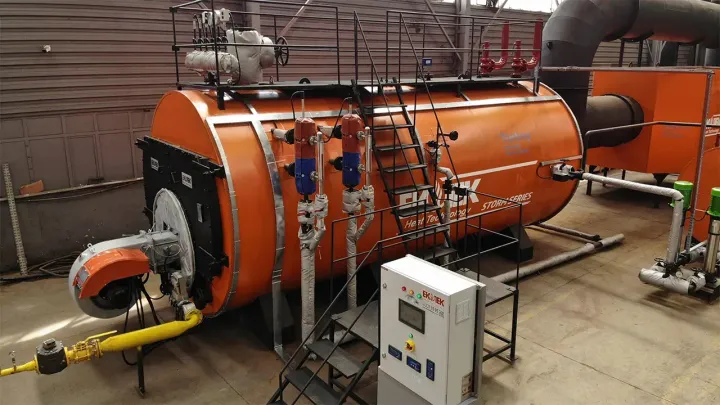
Gas fired boilers are heating systems that use natural gas or other gaseous fuels to produce hot water or steam for industrial and commercial applications. They exist to meet the demand for controlled, reliable, and efficient heat required in processes, buildings, and infrastructure. By burning gas in a controlled combustion chamber, these boilers transfer heat to water, which is then distributed as hot water or steam.
Historically, boilers were powered by coal or oil. Over time, gas fired boilers became more common due to improved fuel availability, cleaner combustion, and easier control. Advances in burner technology, heat exchangers, and control systems have made gas fired boilers suitable for a wide range of heating needs.
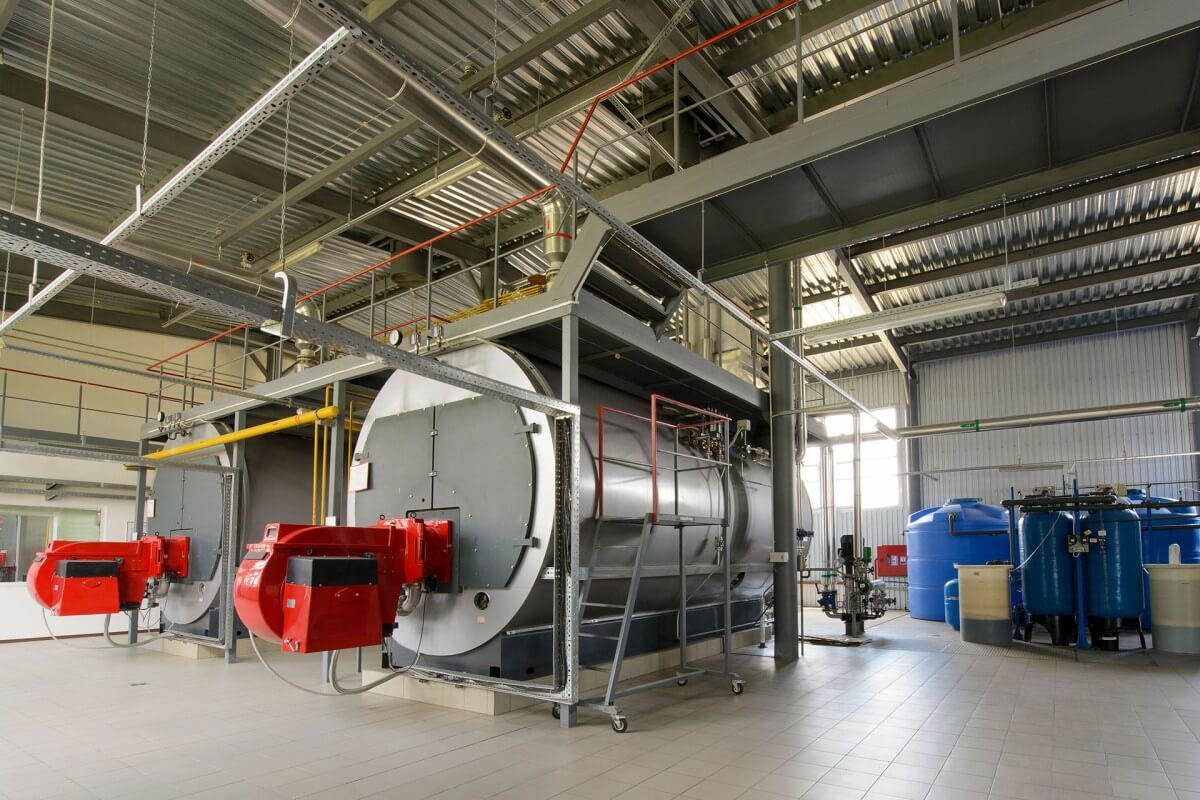
Today, gas fired boilers are widely used in factories, hospitals, commercial buildings, food processing units, and district heating systems. They are valued for their operational stability and adaptability across different scales of use.
Importance
Gas fired boilers matter because heating is a core requirement in many industrial and commercial operations. Reliable heat supply supports productivity, comfort, and safety.
Why this topic matters today
Several factors have increased the relevance of gas fired boilers:
-
Growing demand for process heat in industries
-
Expansion of commercial infrastructure
-
Shift toward cleaner-burning fuels
-
Need for efficient and controllable heating systems
Gas fired boilers help address these needs by providing consistent heat output with relatively low emissions compared to some traditional systems.
Who gas fired boilers affect
-
Industrial manufacturing facilities
-
Commercial buildings and complexes
-
Healthcare and educational institutions
-
Facility managers and maintenance teams
-
Energy planners and utilities
Understanding gas fired boilers helps these stakeholders manage heating systems more effectively and responsibly.
How Gas Fired Boilers Work
Gas fired boilers operate by burning gaseous fuel to generate heat, which is transferred to water inside the boiler.
Basic operating process
-
Gas is supplied to the burner
-
Air and gas mix and combust in the combustion chamber
-
Heat is transferred to water through heat exchange surfaces
-
Hot water or steam is distributed to the system
-
Controls regulate temperature, pressure, and safety
The table below outlines key components and their functions.
| Component | Function |
|---|---|
| Burner | Mixes and ignites gas |
| Combustion chamber | Contains flame |
| Heat exchanger | Transfers heat to water |
| Controls | Regulate operation |
| Safety devices | Prevent hazards |
This controlled process ensures safe and consistent heat generation.
Types of Gas Fired Boilers
Gas fired boilers are classified based on design, application, and output.
Hot water gas fired boilers
These boilers supply hot water for space heating and low-temperature industrial processes.
Steam gas fired boilers
Steam boilers generate steam for industrial processes, sterilization, or power-related applications.
Fire-tube boilers
In fire-tube boilers, hot gases pass through tubes surrounded by water. They are commonly used for moderate pressure and capacity needs.
Water-tube boilers
In water-tube boilers, water flows through tubes heated externally by combustion gases. These are suitable for higher pressures and capacities.
The table below compares common boiler types.
| Boiler Type | Typical Use |
|---|---|
| Hot water | Building heating |
| Steam | Industrial processes |
| Fire-tube | Medium capacity |
| Water-tube | High pressure |
Choosing the right type depends on heating demand and operating conditions.
Industrial Applications of Gas Fired Boilers
In industrial settings, gas fired boilers support a wide range of processes.
Common industrial uses
-
Food and beverage processing
-
Textile and garment manufacturing
-
Chemical and pharmaceutical production
-
Paper and pulp industries
-
Oil and gas facilities
The table below shows examples.
| Industry | Heating Purpose |
|---|---|
| Food processing | Cooking and cleaning |
| Textiles | Dyeing and drying |
| Chemicals | Process heat |
| Pharmaceuticals | Sterilization |
Reliable boiler operation is essential to maintain production quality and efficiency.
Commercial Applications of Gas Fired Boilers
Commercial buildings use gas fired boilers for comfort and service-related heating needs.
Common commercial uses
-
Space heating in offices and malls
-
Hot water supply in hotels
-
Heating systems in hospitals
-
District and campus heating
The table below highlights commercial applications.
| Facility | Heating Role |
|---|---|
| Offices | Space heating |
| Hotels | Hot water supply |
| Hospitals | Hygiene and comfort |
| Campuses | Central heating |
In these environments, consistent heating supports safety and occupant comfort.
Recent Updates
Gas fired boiler technology has continued to evolve with efficiency and environmental goals.
Notable developments during 2024–2025
-
In February 2024, wider adoption of high-efficiency condensing gas boilers
-
In July 2024, improved digital controls enhanced energy monitoring
-
By January 2025, increased focus on compatibility with low-carbon gas blends
There has also been greater use of automation and remote monitoring to improve reliability and maintenance planning.
Efficiency and Performance Considerations
Efficiency is a key factor in gas fired boiler operation.
Factors influencing boiler efficiency
-
Burner design and tuning
-
Heat exchanger quality
-
Load matching and control
-
Insulation and heat loss
-
Maintenance practices
The table below summarizes efficiency influences.
| Factor | Impact |
|---|---|
| Proper sizing | Stable efficiency |
| Clean heat surfaces | Better heat transfer |
| Modern controls | Reduced fuel waste |
| Regular maintenance | Consistent output |
Efficient operation helps reduce fuel consumption and operating costs.
Environmental Considerations
Gas fired boilers are often selected for their environmental advantages compared to some traditional heating systems.
Environmental aspects
-
Lower particulate emissions
-
Reduced sulfur content
-
Compatibility with cleaner gas fuels
-
Improved combustion control
While emissions still exist, gas fired boilers generally support cleaner heating when properly operated.
Integration with Heating Systems
Gas fired boilers can be integrated into various heating configurations.
Common integration options
-
Standalone heating systems
-
Centralized boiler rooms
-
Combined heat and power systems
-
District heating networks
The table below shows integration examples.
| Configuration | Benefit |
|---|---|
| Standalone | Simple installation |
| Centralized | Efficient management |
| CHP | Energy recovery |
| District heating | Shared efficiency |
Flexible integration supports different operational needs.
Laws or Policies
Gas fired boilers are subject to safety, energy, and environmental regulations.
In India
-
Boiler safety regulations under relevant authorities
-
Emissions and air quality standards
-
Energy efficiency guidelines for large systems
General regulatory considerations
-
Periodic inspection and certification
-
Compliance with fuel and safety codes
-
Documentation of operating conditions
These policies aim to ensure safe, efficient, and responsible boiler operation.
Safety and Maintenance Practices
Safety and maintenance are critical for gas fired boiler systems.
Key safety practices
-
Regular inspection of burners and fuel lines
-
Monitoring of pressure and temperature
-
Proper ventilation and exhaust management
-
Training of operating personnel
Routine maintenance helps prevent downtime and safety risks.
Tools and Resources
Several tools and resources help in planning and managing gas fired boilers.
Planning and sizing tools
-
Boiler capacity calculators
-
Heat load assessment worksheets
-
Fuel consumption estimators
Monitoring and management resources
-
Boiler control and monitoring software
-
Maintenance scheduling tools
-
Energy performance dashboards
Educational resources
-
Mechanical engineering handbooks
-
Boiler operation manuals
-
Technical training programs
These resources support informed decision-making and efficient operation.
Comparing Gas Fired Boilers with Other Heating Options
The table below provides a general comparison.
| Heating System | Key Feature |
|---|---|
| Gas fired boiler | Controlled heating |
| Oil-fired boiler | High heat output |
| Electric heating | Localized use |
| Renewable heating | Low emissions |
Each option serves different heating requirements and constraints.
FAQs
What is a gas fired boiler used for?
A gas fired boiler is used to produce hot water or steam for industrial processes and commercial heating.
Are gas fired boilers suitable for continuous operation?
Yes. Many designs are intended for long-term or continuous use when properly maintained.
What fuels do gas fired boilers use?
They primarily use natural gas and may also operate on other approved gaseous fuels.
Are gas fired boilers energy efficient?
Modern gas fired boilers, especially high-efficiency designs, offer improved fuel utilization.
Do gas fired boilers require regular inspections?
Yes. Regular inspection and maintenance are essential for safety and performance.
Final Thoughts
Gas fired boilers are a fundamental part of industrial and commercial heating systems. By providing reliable and controllable heat, they support production processes, occupant comfort, and essential services.
Understanding how gas fired boilers work, their types, applications, and regulatory requirements helps organizations operate heating systems safely and efficiently. Rather than being a one-size-fits-all solution, gas fired boilers offer adaptable heating options across different scales and industries.