Overview of Tablet Press Machine Types and Their Pharmaceutical Applications
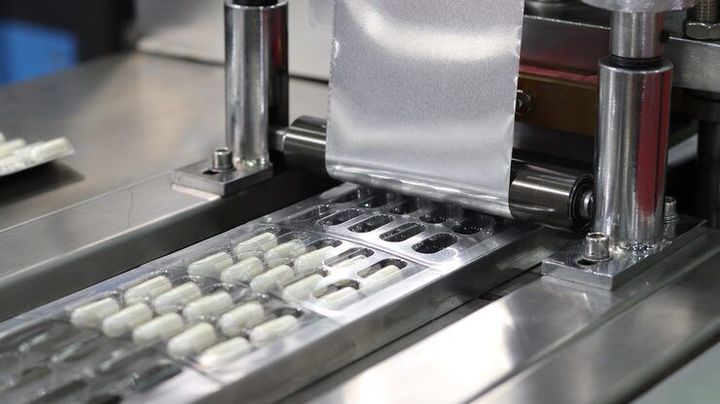
Tablet press machines, also known as tablet compression machines or tablet punching machines, are specialized equipment used to convert powder formulations into solid tablets. They operate by compressing powders between two punches inside a die cavity, forming consistent and uniform tablets.
Tablet presses exist because pharmaceuticals require precise, repeatable, and high-quality tablet production. Before tablet presses were introduced, tablets were manually molded, making it difficult to control dosage accuracy and product consistency. Modern tablet presses automate this process, supporting mass production while ensuring quality control.
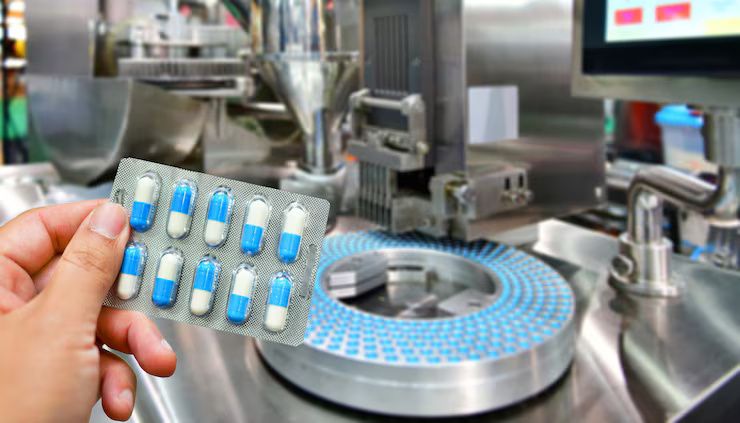
Tablet press technology is fundamental to pharmaceutical manufacturing as most medicines consumed worldwide are in tablet form due to their stability, portability, and ease of dosing.
Importance – Why Tablet Press Machines Matter Today
Tablet presses are essential equipment in the global pharmaceutical, nutraceutical, and chemical industries. They support large-scale production of tablets used for healthcare, supplements, detergents, and veterinary applications.
Who They Benefit
-
Pharmaceutical manufacturers
-
Nutraceutical and supplement brands
-
Research and development labs
-
Veterinary medicine producers
-
Chemical and industrial product manufacturers
Key Problems Tablet Presses Help Solve
-
Ensure accurate and uniform dosage in every tablet
-
Improve production speed for high-demand medicines
-
Reduce human error compared to manual tablet formation
-
Maintain consistent tablet hardness, thickness, and weight
-
Support hygienic, contamination-free processing
As demand for medication and supplements continues to rise globally, efficient tablet compression remains a priority for regulated industries.
Recent Updates – Trends and Innovations (2024–2025)
Modern tablet presses now feature advanced technologies to improve efficiency, safety, and quality assurance.
Automation and Smart Controls (2024)
More machines now include touchscreens, PLC systems, and automatic monitoring tools that track tablet hardness, weight, and punch pressure in real time.
Industry 4.0 Integration (2025)
Tablet presses with IoT connectivity allow remote monitoring, predictive maintenance, and production analytics to reduce downtime.
Improved Dust-Control Systems
Manufacturers have introduced upgraded dust extraction units to protect operators and prevent cross-contamination during compression.
High-Speed Rotary Press Enhancements
Recent models achieve higher output with reduced noise and vibration, improving both production efficiency and workplace comfort.
Flexible Tooling Options
Interchangeable tooling (such as EU or TSM standards) enables faster changeovers and supports multiple tablet shapes and sizes without replacing the entire machine.
Quality-by-Design (QbD) Features
Newer systems include sensors that automatically adjust compression parameters to maintain uniformity.
These innovations reflect the pharmaceutical industry’s drive toward automation, regulatory compliance, and safe, high-quality manufacturing.
Laws or Policies – Regulations That Affect Tablet Press Use
Tablet presses operate in highly regulated environments due to their role in producing medication. Several guidelines and policies influence their design, operation, and documentation.
Good Manufacturing Practices (GMP)
Most global pharmaceutical facilities must follow GMP standards set by:
-
WHO
-
US FDA
-
European Medicines Agency (EMA)
-
Indian CDSCO
-
Local regulatory bodies
GMP guidelines require:
-
Controlled production environments
-
Documented maintenance and cleaning procedures
-
Batch traceability
-
Consistent tablet quality
Equipment Qualification Requirements
Tablet presses must undergo:
-
IQ (Installation Qualification)
-
OQ (Operational Qualification)
-
PQ (Performance Qualification)
Operator Safety Regulations
Compliance may include:
-
OSHA machine safety standards
-
Emergency stop buttons
-
Interlocked covers
-
Dust-control systems
Material Contact Compliance
Surfaces that touch the product must follow:
-
FDA food-grade regulations
-
EU materials safety standards
-
Non-reactive stainless steel requirements
Regulations ensure that tablet presses produce safe, uniform, and contamination-free products.
Tools and Resources – Helpful Support for Tablet Press Operations
Using the right tools and digital resources helps maintain efficiency, quality, and compliance.
Operational Tools
-
Hardness testers
-
Thickness gauges
-
Tablet weight checkers
-
Punch cleaning kits
-
Lubrication tools
-
Die alignment tools
Software Solutions
-
Tablet design and formulation software
-
Compression data analytics tools
-
Production monitoring dashboards
-
Maintenance scheduling platforms
Online Resources
-
Manufacturer technical manuals
-
Industry training videos
-
SOP templates for cleaning and operation
-
Regulatory compliance checklists
-
Troubleshooting guides for common compression issues
Calculation Tools
-
Output calculators
-
Powder flow analysis tools
-
Compression force estimators
-
Batch size planning sheets
These resources help operators run tablet presses safely and optimize production.
Tablet Press Types and Their Pharmaceutical Applications
Tablet presses come in several designs suited to different production scales and formulation requirements.
Single-Punch (Eccentric) Tablet Press
A single-punch press uses one set of punches and a die to form tablets individually.
Best Uses:
-
Laboratory research
-
Small batch production
-
Pilot studies
-
Specialty or custom formulations
Benefits:
-
Low cost and easy to operate
-
Suitable for formulation testing
-
Simple maintenance
Rotary Tablet Press
Rotary presses contain multiple stations (punch sets) on a rotating turret, enabling continuous production.
Best Uses:
-
High-volume pharmaceutical manufacturing
-
Nutraceutical tablet production
-
Veterinary medicine manufacturing
Benefits:
-
High output (thousands of tablets per minute)
-
Consistent tablet dimensions
-
Reduced operator involvement
High-Speed Rotary Press
These machines are advanced versions of rotary presses with more turrets and automated controls.
Best Uses:
-
Large pharmaceutical companies
-
Mass production of common tablets (e.g., pain relievers, vitamins)
Benefits:
-
Very high throughput
-
Automated defect rejection
-
Low vibration and noise
Multi-Layer Tablet Press
These machines compress multiple layers of powder into one tablet.
Best Uses:
-
Controlled-release tablets
-
Multi-drug formulations
-
Specialty products requiring separation layers
Benefits:
-
Supports different materials in each layer
-
Useful for complex medical formulations
Effervescent Tablet Press
Designed to compress powders used for effervescent or soluble tablets.
Best Uses:
-
Vitamin C tablets
-
Dissolvable medication
-
Electrolyte tablets
Benefits:
-
Low humidity operation
-
Prevents early reaction of effervescent ingredients
Comparison Table: Common Tablet Press Types
| Tablet Press Type | Output Speed | Best Use | Complexity Level |
|---|---|---|---|
| Single-Punch | Low | R&D labs, small batches | Easy |
| Rotary Press | Medium–High | Pharmaceutical production | Moderate |
| High-Speed Rotary | Very High | Mass manufacturing | Advanced |
| Multi-Layer Press | Medium | Specialty formulations | Advanced |
| Effervescent Press | Medium | Soluble tablets | Moderate |
FAQs
How does a tablet press ensure dosage consistency?
Tablet presses control compression force, fill depth, and powder flow to maintain uniform tablet weight and density.
Which machine is best for a small pharmaceutical startup?
A single-punch press is suitable for early formulation and short production runs, while a medium-capacity rotary press is ideal for scaling up.
Can tablet presses handle all types of powder?
Most free-flowing powders compress well, but sticky or poorly flowing materials may require granulation before compression.
How often should a tablet press be cleaned?
Cleaning is required between product changeovers and as part of routine maintenance to prevent cross-contamination.
What factors affect tablet hardness?
Compression force, punch design, powder characteristics, and dwell time influence hardness and durability.
Final Thoughts
Tablet presses are essential tools in the pharmaceutical industry, supporting everything from early formulation testing to large-scale drug manufacturing. With advancements in automation, monitoring, and hygiene design, these machines continue to improve efficiency and consistency in tablet production. Understanding the different types—single-punch, rotary, high-speed, multi-layer, and effervescent—helps businesses choose the right machine for their production goals while meeting regulatory requirements.