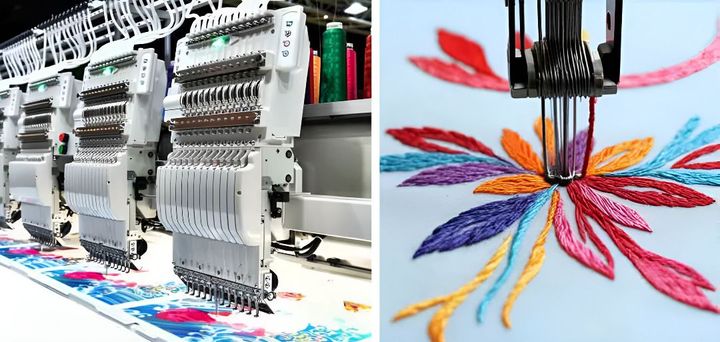
Overview of Embroidery Machine Types and Their Best Uses
Embroidery machines are specialized textile machines designed to stitch patterns, logos, monograms, and decorative elements onto fabric. They automate the traditional hand-embroidery process to produce consistent, high-quality designs at different scales—ranging from home craft projects to large-volume commercial production.
These machines exist to make embroidery faster, more precise, and more accessible. They support industries such as fashion, uniforms, home décor, sportswear, promotional products, and customized apparel. With digital features and computer-guided stitching, embroidery machines help achieve detailed designs that would be time-consuming to create manually.
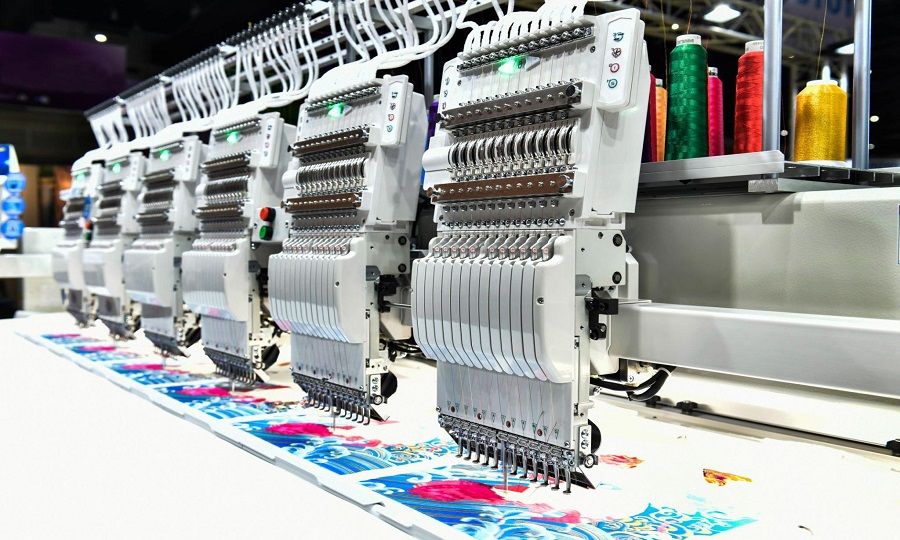
Importance – Why Embroidery Machines Matter Today
Embroidery machines play a key role in today’s textile and personalization markets. The rise of small businesses, online custom-printing stores, and demand for personalized apparel has increased the use of both domestic and industrial embroidery machines.
Who Benefits Most
-
Apparel manufacturers
-
Tailoring and boutique shopsPromotional product companies
-
Sportswear and uniform suppliers
-
Home-based embroidery entrepreneurs
What Problems They Solve
-
Reduce manual labour and design errors
-
Increase productivity in custom apparel
-
Enable high-detail embroidery for branding
-
Support consistent production quality
-
Improve turnaround time for bulk orders
The continued growth of e-commerce and on-demand printing keeps embroidery machines relevant and widely used.
Recent Updates – Trends and Innovations (2024–2025)
Recent advancements have improved usability, speed, and design quality in embroidery technology.
2024 Multi-Needle Efficiency Enhancements
Manufacturers introduced faster needle-switching mechanisms and stronger motors for higher stitching speeds in commercial use.
AI-Based Pattern Calibration Tools (2024)
Newer software uses AI to correct pattern distortions and optimize thread tension automatically.
Wireless Connectivity and Cloud Storage
Embroidery machines launched in 2024–2025 now let users import designs via Wi-Fi, mobile apps, or cloud-based libraries.
Energy-Efficient Motor Systems (2025)
Many brands have focused on reducing power consumption while maintaining speed, supporting sustainability goals.
Advanced Hoop Technology
Hoop designs now reduce fabric slippage, helping users maintain stable stitching on stretch fabrics and layered materials.
Popular Demand for 3D Puff Embroidery
Sports caps and branded merchandise trends have renewed interest in high-loft stitching capabilities across machines.
These updates reflect how digital tools and automation continue to shape modern embroidery production.
Laws or Policies – Guidelines Affecting Embroidery Machine Use
While embroidery machines are not heavily regulated, certain policies and standards influence their safe and compliant usage.
Electrical Safety Standards
Machines must meet national certification requirements such as:
-
CE marking (Europe)
-
UL/ETL certification (USA)
-
BIS standards (India)
These ensure safe wiring, grounding, and motor performance.
Industrial Workplace Regulations
Factories using commercial embroidery machines must follow:
-
Noise-level regulations
-
Proper ventilation requirements
-
Machine-guarding standards
-
Worker training guidelines
Environmental Policies
Regulations may govern:
-
Energy efficiency
-
Waste thread disposal
-
Use of eco-friendly embroidery consumables
Business Compliance
For commercial embroidery services, taxation guidelines, product labeling rules, and fair-labour policies may apply depending on country and region.
Tools and Resources – Helpful Support for Embroidery Operations
Using the right tools and digital resources ensures smooth operation and accurate stitching.
Essential Tools
-
Embroidery hoops of various sizes
-
Thread tension gauges
-
Bobbin winders
-
Maintenance toolkits
-
Stabilizers (tear-away, cut-away, wash-away)
Software and Apps
-
Wilcom Embroidery Studio
-
Hatch Embroidery Software
-
Brother PE-Design
-
Inkscape plug-ins for embroidery
-
Mobile design-transfer apps
Online Resources
-
Design marketplaces (Envato Elements, Embroidery Library)
-
Manufacturer manuals and video tutorials
-
Productivity calculators for stitch count and time estimation
Planning and Workflow Tools
-
Costing calculators for embroidery jobs
-
Thread colour charts
-
Pattern templates for beginners
-
Cloud storage for design organization
These tools help users—from hobbyists to large textile units—improve efficiency and stitch quality.
Types of Embroidery Machines and Their Best Uses
Understanding different machine types helps users choose the right one for their needs.
Single-Needle Embroidery Machines
These resemble regular sewing machines but with embroidery capabilities.
Best Uses:
-
Home embroidery projects
-
Monograms and small designs
-
Beginners learning machine embroidery
-
Occasional personalized items
Key Features:
-
One needle working at a time
-
Usually compact and easy to operate
Multi-Needle Embroidery Machines
These machines contain multiple needles, each threaded with different colours.
Best Uses:
-
Small embroidery businesses
-
Uniforms and logo stitching
-
Cap embroidery with rotating frames
-
Fast multi-colour designs
Key Features:
-
6 to 16 needles
-
Higher speed and precision
-
Better for continuous production
Commercial or Industrial Embroidery Machines
Built for heavy-duty, high-volume production.
Best Uses:
-
Large apparel factories
-
Export units
-
Promotional merchandise manufacturing
-
Bulk embroidery on multiple garments at once
Key Features:
-
Multi-head systems with multiple needles per head
-
High stitch quality
-
Long operation hours without overheating
Computerized Embroidery Machines
Machines entirely controlled by software.
Best Uses:
-
Complex pattern designs
-
3D puff embroidery
-
Digitized artwork reproduction
Key Features:
-
USB/Wi-Fi design import
-
Automatic thread cutting
-
Built-in editing tools
Free-Motion Embroidery Machines
Operate manually for artistic embroidery styles.
Best Uses:
-
Creative textile art
-
Custom illustrations
-
Small craft projects
Key Features:
-
No automatic pattern control
-
High flexibility for unique designs
Specialty Embroidery Machines
Some machines are built for niche applications.
Examples:
-
Cap embroidery machines
-
Chenille embroidery machines
-
Sequin and cording embroidery machines
Best Uses:
-
Fashion embellishments
-
High-decorative garment production
-
Specialty craft industries
Comparison Table: Embroidery Machine Types
| Machine Type | Speed | Difficulty Level | Best Use |
|---|---|---|---|
| Single-Needle | Low–Medium | Easy | Home projects |
| Multi-Needle | Medium–High | Moderate | Small businesses |
| Industrial | Very High | Advanced | Mass production |
| Computerized | Medium–High | Moderate | Detailed digital designs |
| Free-Motion | Variable | Artistic Skill Needed | Creative custom work |
FAQs
Which embroidery machine is best for beginners?
Single-needle computerized embroidery machines are usually recommended for beginners because they are simple to operate and support basic design editing features.
Can embroidery machines handle all types of fabric?
Most machines can stitch on cotton, denim, polyester, and blends. For delicate or stretchy fabrics, stabilizers help maintain stability during stitching.
What maintenance do embroidery machines need?
Basic upkeep includes cleaning lint, oiling moving parts, checking thread tension, and replacing worn needles. Larger machines require periodic professional servicing.
How important is embroidery software?
Software is essential for creating, editing, and converting designs into stitch files compatible with the machine.
Do industrial embroidery machines require special training?
Yes. Operators typically learn threading, tension settings, hooping techniques, and basic troubleshooting.
Final Thoughts
Embroidery machines continue to evolve with better automation, faster stitching, and improved digital design capabilities. Understanding the types—from single-needle systems to industrial multi-head units—helps users choose machines that suit their creative or commercial needs. With proper maintenance, the right software, and dependable tools, embroidery operations become more efficient and produce high-quality decorative results across various industries.