Overview of Automatic Labeling Machine Types and Their Applications
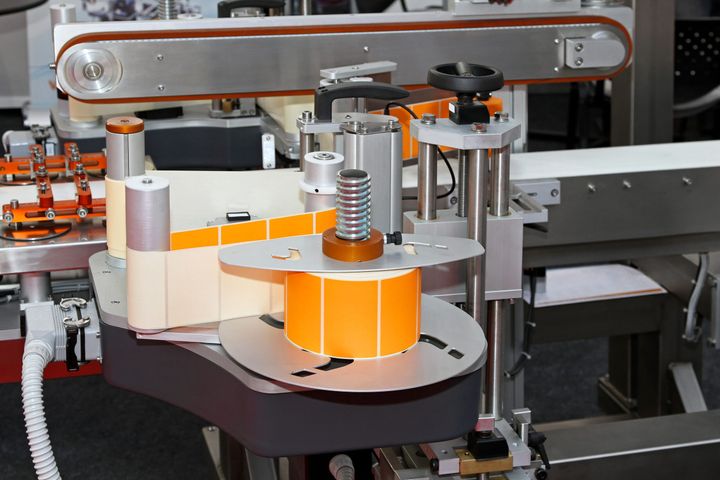
Automatic labeling machines are equipment used to apply product labels quickly and accurately across various industries such as pharmaceuticals, food and beverages, cosmetics, chemicals, and packaging. Labels serve essential purposes—providing product information, safety instructions, branding details, barcodes, and traceability data.
These machines exist to solve key challenges associated with manual labeling. Manual application often leads to misalignment, slow output, inconsistent placement, and higher labor costs. Automated systems offer uniformity, speed, and efficiency, especially important as industries move toward higher production volumes and stricter compliance standards.
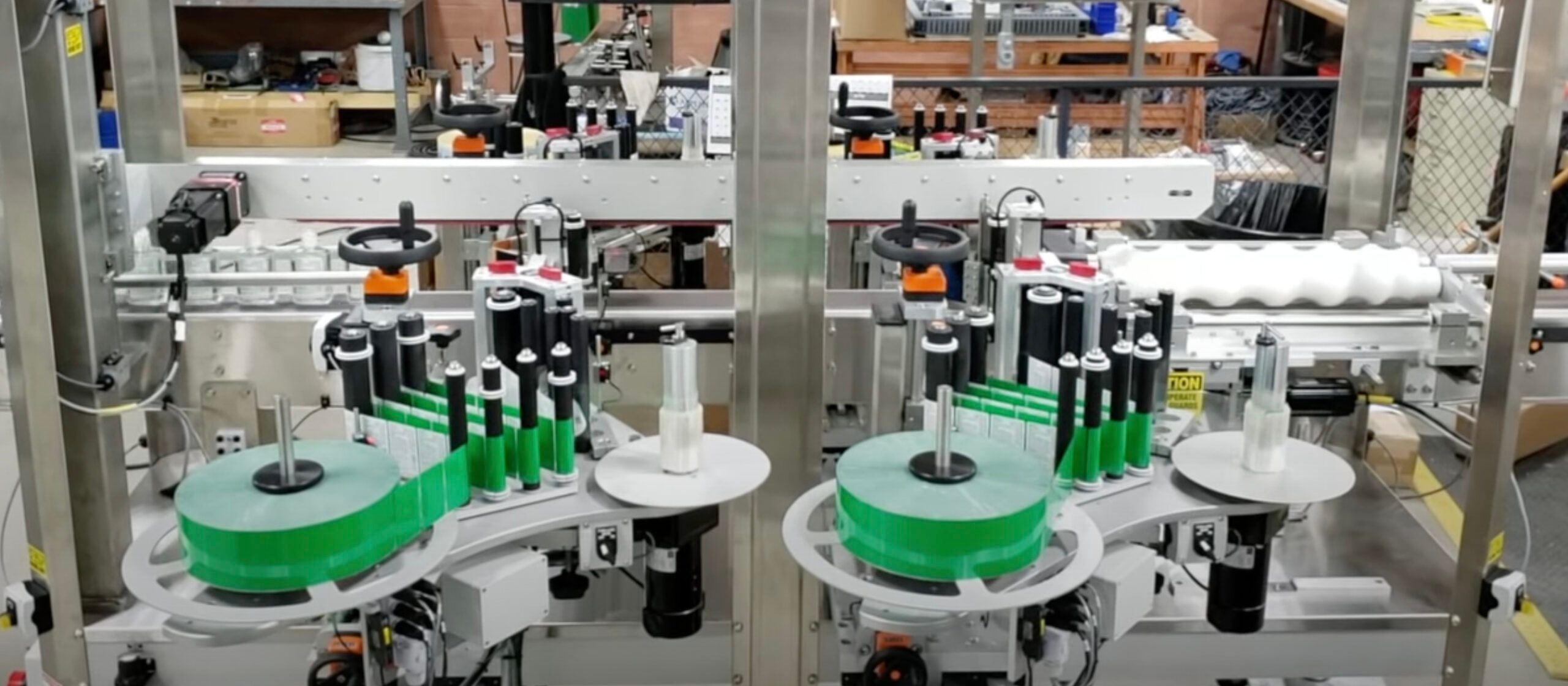
Common labeling machine types include:
-
Wrap-around labeling machines for cylindrical bottles
-
Front-and-back labelers for flat containers
-
Top/bottom labelers for cartons and pouches
-
Rotary labelers for high-speed production
-
Print-and-apply labelers for barcodes and tracking
-
Shrink sleeve applicators for full-body labels
Each type is designed to meet different product shapes, speeds, and regulatory needs.
Importance – Why Automatic Labeling Machines Matter Today
The importance of labeling machines has increased significantly with the rise of global manufacturing, stricter safety regulations, and the demand for product traceability.
Who Benefits From Automatic Labeling Machines
-
Manufacturers in pharmaceuticals, food, beverages, cosmetics, and chemicals
-
Logistics and warehousing companies
-
E-commerce brands
-
Exporters requiring compliant labeling
-
Small and medium enterprises automating packaging lines
Key Problems These Machines Solve
-
Reduce human error in labeling
-
Increase production speed and efficiency
-
Improve consistency in label placement
-
Ensure labels meet regulatory standards
-
Support serialization and traceability
-
Minimize labor dependency
As product packaging becomes more complex and markets more globalized, accurate labeling is essential for safety, marketing, and compliance.
Recent Updates – Industry Trends and Developments (2024–2025)
The labeling industry has seen important improvements in automation, sustainability, and real-time monitoring.
Rise of Smart Sensors and Vision Systems (2024)
Newer machines integrate cameras and sensors to:
-
Detect misaligned labels
-
Verify barcode readability
-
Ensure correct label type
-
Track machine performance
This results in fewer production errors and improved quality control.
Growth of Print-and-Apply Barcoding
With e-commerce expansion, companies increasingly rely on real-time printing and applying of shipping labels, batch codes, and QR codes.
Sustainability Initiatives
Manufacturers are developing:
-
Energy-efficient labeling machines
-
Systems compatible with recyclable labels
-
Low-waste dispensing technology
Higher-Speed Rotary Labelers Introduced in 2024
New rotary models accommodate speeds exceeding 50,000 containers per hour, enabling large-scale beverage and FMCG production.
IoT and Predictive Maintenance Integration
Modern machines now transmit performance data to cloud dashboards, allowing operators to predict wear, avoid downtime, and optimize maintenance schedules.
These updates reflect a growing emphasis on efficiency, accuracy, and sustainability across industries.
Laws or Policies – Regulations Affecting Labeling Machines
Labeling requirements are strict across industries because labels communicate safety, compliance, and identification details.
Pharmaceutical Labeling Regulations
Regulated by agencies such as:
-
U.S. FDA
-
European Medicines Agency (EMA)
-
India’s CDSCO
Requirements include:
-
Clear batch numbers
-
Barcodes for traceability
-
Accurate dosage and ingredient information
-
Compliance with good manufacturing practices (GMP)
Automatic labeling machines help meet these precision standards.
Food and Beverage Label Regulations
Authorities require:
-
Expiry dates
-
Allergen warnings
-
Nutrition facts
-
Manufacturer details
Incorrect labels can lead to recalls, making reliable labeling equipment essential.
Industry Standards and International Guidelines
-
ISO 9001 (quality management)
-
ISO 15378 (packaging materials for pharmaceuticals)
-
GS1 barcode standards for global product identification
-
EU Labeling Directives for consumer goods
Workplace Safety Rules
Labeling machine operators must follow:
-
Machine guarding protocols
-
Emergency stop procedures
-
Lockout/tagout guidelines
Regulatory compliance is a major reason companies invest in precise, automated labeling systems.
Tools and Resources – Helpful Support for Labeling Operations
Operational Tools
-
Label roll dispensers
-
Barcode scanners
-
Adhesive analysis tools
-
Conveyor alignment tools
-
Vision inspection modules
Software and Digital Tools
-
Label design software (e.g., BarTender, NiceLabel)
-
QR code and barcode generator tools
-
SCADA and machine monitoring dashboards
-
Predictive maintenance applications
Useful Templates and Checklists
-
Labeling line SOP templates
-
Quality inspection checklist
-
Machine cleaning logs
-
Changeover checklists
Training and Educational Resources
-
Manufacturer-provided video tutorials
-
Industry webinars on packaging automation
-
Regulatory labeling guideline documents
-
Packaging machinery operator courses
These resources help maintain smooth operations, ensure compliance, and reduce downtime.
Types of Automatic Labeling Machines and Their Applications
Automatic labeling machines serve different packaging needs. Here is a helpful breakdown.
Wrap-Around Labeling Machines
Used for:
Bottles, jars, tubes, vials, and cylindrical containers.
Industries:
Food, beverages, pharmaceuticals, cosmetics.
Front-and-Back Labeling Machines
Used for:
Flat or oval containers that require labels on both sides.
Industries:
Cosmetics, personal care, household chemicals.
Top Labeling Machines
Used for:
Boxes, lids, trays, pouches, and packaging films.
Bottom Labeling Machines
Ideal for applying price tags, batch codes, and tracking labels.
Top-and-Bottom Labelers
Used for:
-
Meal trays
-
Cartons
-
Medical device packaging
Rotary Labeling Machines
High-speed machines for mass production lines.
Industries:
-
Soft drinks
-
Dairy
-
Packaged foods
-
Pharmaceuticals
Print-and-Apply Labeling Systems
Used for on-demand printing of:
-
Barcodes
-
Shipping labels
-
Batch numbers
-
QR codes
Essential for logistics and warehousing.
Shrink Sleeve Labeling Machines
Used for full-body labels that shrink tightly when heated.
Applications include:
-
Beverage bottles
-
Pharmaceutical containers
-
Cosmetic bottles
Comparison Table: Common Labeling Machine Types
| Labeling Machine Type | Suitable Packaging | Key Application |
|---|---|---|
| Wrap-Around Labeler | Cylindrical bottles | Beverage, pharma |
| Front-and-Back Labeler | Flat containers | Cosmetic, chemical |
| Top Labeler | Cartons, pouches | Food packaging |
| Rotary Labeler | High-volume bottles | FMCG and beverage |
| Print-and-Apply | Boxes, pallets | Logistics and shipping |
| Shrink Sleeve Machine | Bottles and jars | Branding & tamper-evidence |
FAQs
What industries commonly use automatic labeling machines?
These machines are widely used in food, beverages, pharmaceuticals, cosmetics, logistics, and chemical manufacturing.
Are labeling machines suitable for small businesses?
Yes. Semi-automatic and compact labeling machines are available for low- and medium-volume production.
How do vision systems improve labeling accuracy?
They detect label misalignment, unreadable barcodes, or incorrect label placements, ensuring consistent quality.
Can these machines handle different label sizes?
Most modern machines support a range of label sizes and shapes, though adjustments or changeover kits may be required.
Do labeling machines require regular maintenance?
Yes. Operators must clean rollers, calibrate sensors, inspect adhesive parts, and lubricate moving components regularly.
Final Thoughts
Automatic labeling machines play a critical role in modern production, ensuring fast, accurate, and compliant labeling for a wide range of products. With advancements in sensors, software, and sustainability, these machines continue to improve efficiency and quality across industries. Whether used in pharmaceuticals, food processing, cosmetics, or logistics, the right labeling system helps businesses maintain consistency, meet regulatory standards, and support long-term operational growth.