Learn the Basics: How Autoclave Machines Ensure Proper Sterilization
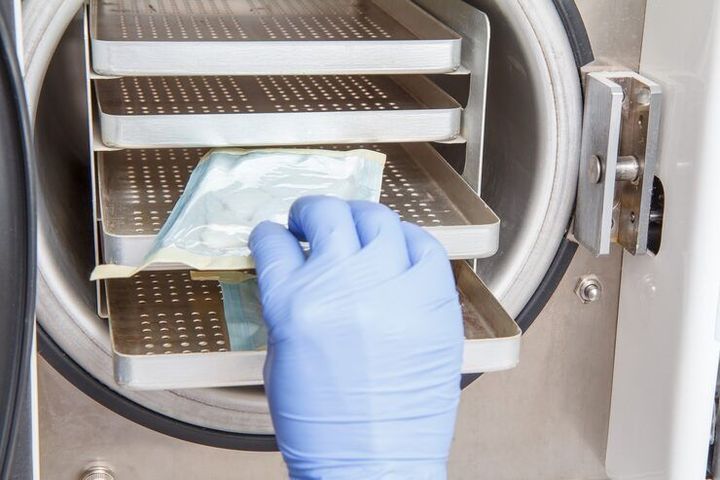
Autoclave machines are specialized devices designed to sterilize equipment, instruments, and materials by using high-pressure saturated steam. Their primary purpose is to eliminate harmful microorganisms such as bacteria, fungi, viruses, and spores that can cause infections or contamination.
The concept of autoclaving emerged from early steam sterilization practices used in laboratories and hospitals. Over time, autoclaves became essential in various fields, including healthcare, pharmaceuticals, food processing, biotechnology, tattoo studios, and research facilities. They exist to ensure that tools and materials remain safe, clean, and free from biological contaminants.
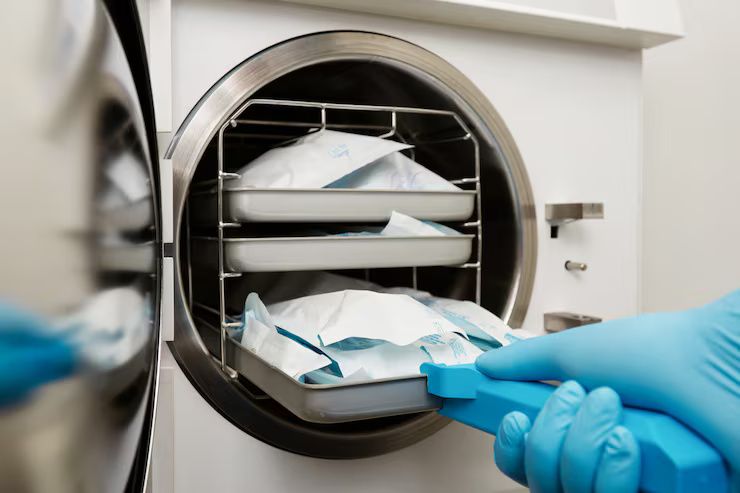
Sterilization is critical in environments where hygiene and safety standards have a direct impact on health outcomes, product quality, and regulatory compliance. Autoclaves provide a controlled, repeatable, and efficient method for achieving sterilization using steam, temperature, and pressure.
Importance: Why Autoclave Machines Matter Today
Autoclaves play a central role in infection control and quality assurance across multiple industries. Their importance has grown significantly due to rising hygiene standards, increased awareness of infection prevention, and stricter regulatory requirements.
Who Autoclave Machines Affect
Autoclave usage impacts:
-
Hospitals and clinics
-
Dental practices
-
Laboratories and research institutions
-
Pharmaceutical manufacturers
-
Food and beverage processing facilities
-
Veterinary clinics
-
Cosmetic and tattoo studios
What Problems They Solve
Autoclaves address several critical challenges:
-
Preventing infection spread: Essential in medical settings where patient safety is the top priority.
-
Maintaining sterile environments: Especially important in surgeries, diagnostics, and laboratory work.
-
Ensuring regulatory compliance: Many industries require validated sterilization processes.
-
Reducing human error: Automated cycles ensure consistent sterilization outcomes.
-
Improving operational efficiency: Faster sterilization processes reduce downtime and increase productivity.
Recent Updates: Trends and Advancements in Autoclave Technology
Autoclave technology continues to evolve to meet modern needs for safety, sustainability, and efficiency. Below are notable updates from the past year.
Key Developments (2023–2024)
-
Energy-efficient models: Newer autoclaves launched in 2023–2024 focus on lower water consumption and improved insulation to reduce energy use.
-
Smart autoclaves with digital monitoring: Many manufacturers introduced Wi-Fi-enabled control systems (early 2024) to help users track sterilization cycles and receive alerts.
-
Improved safety features: Updated models now include automatic pressure-release systems and enhanced door-lock mechanisms.
-
Rapid-cycle autoclaves: Made popular in dental and clinical settings, these devices reduce cycle times without compromising sterilization standards.
-
Eco-friendly sterilization cycles: Introduced in late 2023, these cycles reduce emissions and support sustainability goals in healthcare facilities.
Table: Key Advancements in Autoclave Technology
| Feature | Traditional Autoclaves | Latest Autoclaves (2023–24) |
|---|---|---|
| Monitoring | Manual recording | Digital logs and remote monitoring |
| Energy Use | High consumption | Improved energy efficiency |
| Safety | Basic door lock | Smart safety interlocks |
| Cycle Time | Longer cycles | Rapid sterilization cycles |
| Connectivity | None | App and cloud integration |
Laws or Policies: Regulations Affecting Autoclave Use
Autoclave operations are governed by several guidelines and safety standards across different countries. Regulations ensure that sterilization processes are safe, effective, and traceable.
Common Regulatory Areas
-
Healthcare Guidelines: Medical facilities must comply with national sterilization protocols, such as:
-
India: NABH and CDSCO guidelines
-
USA: CDC and OSHA sterilization standards
-
EU: EN 13060 and EN 285 for small and large steam sterilizers
-
-
Waste Management Regulations: Autoclaves are widely used to sterilize biomedical waste before disposal.
-
Quality Control Requirements: Pharmaceutical and laboratory facilities must follow GMP (Good Manufacturing Practices).
-
Record-Keeping Standards: Many regulations require documentation of sterilization cycles, temperatures, and pressure levels.
Purpose of Regulations
-
Protect public health
-
Standardize sterilization quality
-
Ensure proper functioning of sterilization equipment
-
Prevent cross-contamination
-
Support environmental safety
Tools and Resources: Helpful Platforms and Applications
Several digital tools, applications, and online resources can support proper autoclave use, maintenance, and monitoring.
Useful Tools and Resources
-
Autoclave Monitoring Apps:
-
SteriSense
-
AstellConnect
-
Tuttnauer Monitoring App
-
-
Sterilization Log Templates:
-
CDC Sterilization Log Sheets
-
Hospital-standard record templates (widely available online)
-
-
Temperature and Pressure Calculators:
-
Steam pressure–temperature converter tools
-
Autoclave cycle validation calculators
-
-
Training Resources:
-
WHO Infection Control Guidelines
-
Online courses about sterilization practices on learning platforms
-
Graph: Pressure vs. Temperature in Steam Sterilization
Below is a simple conceptual representation.
Higher pressure allows steam to reach higher temperatures, which accelerates sterilization.
FAQs
1. What is an autoclave used for?
An autoclave is used to sterilize equipment and materials through high-pressure steam. It is commonly used in healthcare, laboratories, research facilities, and industries that require sterile tools or materials.
2. How does an autoclave work?
Autoclaves function by increasing steam pressure to raise the temperature above 121°C, which destroys microorganisms. The combination of heat, steam penetration, and pressure ensures thorough sterilization.
3. How long is a typical autoclave cycle?
Most autoclave cycles last between 15 and 45 minutes, depending on load size, material type, and the machine model.
4. What safety measures should be followed when using an autoclave?
Operators should wear protective gear, avoid opening the door while pressure remains, and follow manufacturer guidelines. Regular maintenance and calibration are also important.
5. What items cannot be autoclaved?
Items such as flammable liquids, sealed containers, corrosive chemicals, and heat-sensitive plastics should not be autoclaved.
Final Thoughts
Autoclave machines are essential tools that support hygiene, safety, and quality across many industries. Their role in sterilization continues to grow as organizations adopt stricter standards and more efficient technologies. Understanding how autoclaves work, the regulations that guide their use, and the latest innovations helps businesses and professionals make informed decisions about safe and effective sterilization practices.