How Gas Compressors Help Improve Pressure and Flow Control
Gas compressors are mechanical devices designed to increase the pressure of gases by reducing their volume and directing them through controlled systems. They exist because gases naturally expand and lose pressure as they move through pipelines, processing units, or equipment. Without compression, it would be difficult to transport gas efficiently or maintain stable operating conditions.
Gas compressors are used across many industries, including energy, manufacturing, chemicals, and utilities. They help move gas from one point to another, ensure consistent supply, and support precise control of pressure and flow. Over time, compressor technology has evolved to handle different gas types, pressure ranges, and operational demands.
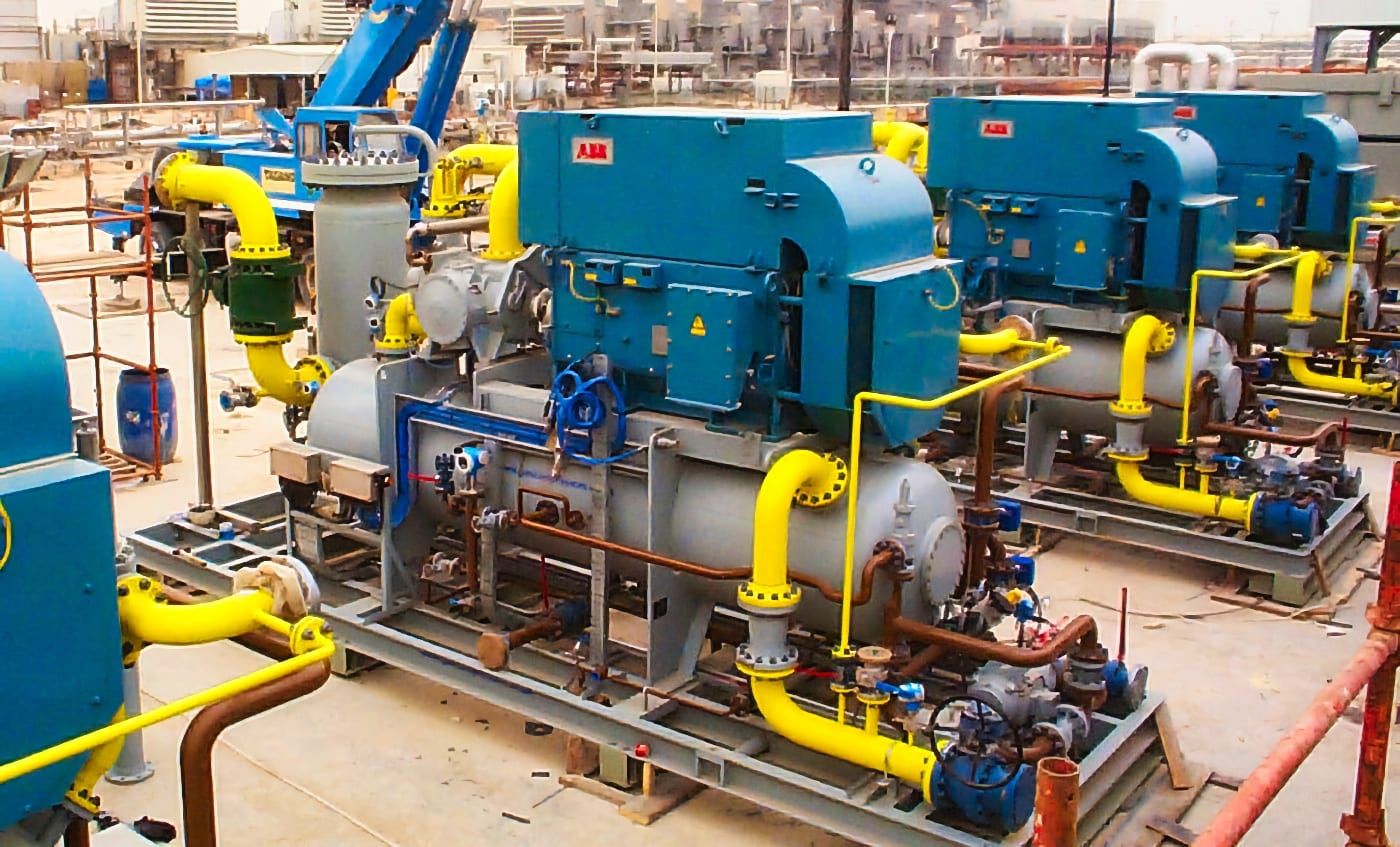
Understanding how gas compressors work provides insight into how modern gas systems maintain stability, efficiency, and safety.
Importance
Gas compressors matter because pressure and flow control are critical in any gas-handling system. Inconsistent pressure can lead to equipment damage, safety risks, and inefficient operations, while poor flow control can disrupt processes and reduce system reliability.
Why this topic matters today
Several factors have increased the importance of gas compressors in modern operations:
-
Expansion of natural gas and industrial gas networks
-
Increased demand for precise process control
-
Growth of automated and high-efficiency systems
-
Higher safety and reliability expectations
Gas compressors help address these challenges by enabling controlled gas movement and stable operating conditions.
Who gas compressors affect
-
Oil and gas producers and pipeline operators
-
Industrial manufacturing facilities
-
Power generation plants
-
Chemical and petrochemical industries
-
Engineering, operations, and maintenance teams
A clear understanding of gas compressors supports better system planning and operation across these sectors.
How Gas Compressors Work
Gas compressors increase gas pressure by applying mechanical energy. While designs vary, the core purpose remains the same: to move gas at the required pressure and flow rate.
Basic compression process
-
Gas enters the compressor at low pressure
-
Mechanical components reduce gas volume
-
Pressure and temperature increase
-
Compressed gas exits at higher pressure
-
Control systems regulate output
The table below outlines key components and their roles.
| Component | Function |
|---|---|
| Inlet system | Directs gas into compressor |
| Compression element | Raises gas pressure |
| Drive system | Powers compression |
| Controls | Manage pressure and flow |
| Cooling system | Controls temperature |
This process enables stable and predictable gas delivery.
Types of Gas Compressors
Different compressor types are used depending on pressure requirements, flow rates, and gas properties.
Reciprocating gas compressors
These compressors use pistons to compress gas in stages. They are suitable for high-pressure, low-flow applications.
Screw gas compressors
Screw compressors use rotating screws to compress gas continuously and are commonly used for steady, medium-flow operations.
Centrifugal gas compressors
Centrifugal compressors increase gas pressure using high-speed rotating impellers and are ideal for high-flow, lower-pressure applications.
Rotary vane and other compressors
These are used in specialized or smaller-scale systems where compact design is needed.
The table below compares common compressor types.
| Compressor Type | Typical Use |
|---|---|
| Reciprocating | High pressure |
| Screw | Continuous operation |
| Centrifugal | High flow |
| Rotary vane | Compact systems |
Selecting the right type is essential for effective pressure and flow control.
Role of Gas Compressors in Pressure Control
Pressure control is one of the primary functions of gas compressors.
How compressors support pressure control
-
Compensate for pressure losses in pipelines
-
Maintain required operating pressure
-
Support multi-stage compression for high-pressure needs
-
Enable controlled pressure adjustments
The table below shows pressure-related benefits.
| Pressure Need | Compressor Contribution |
|---|---|
| Long-distance transport | Pressure boosting |
| Process stability | Pressure regulation |
| Equipment protection | Controlled limits |
| Safety | Predictable operation |
Consistent pressure helps prevent system disruptions and damage.
Role of Gas Compressors in Flow Control
Flow control ensures that gas moves at the correct rate through a system.
How compressors support flow control
-
Adjust gas delivery rates
-
Balance supply and demand
-
Maintain steady flow during load changes
-
Support automated control systems
The table below outlines flow-related benefits.
| Flow Aspect | Impact |
|---|---|
| Stable flow | Process consistency |
| Adjustable output | Operational flexibility |
| Balanced distribution | Reduced bottlenecks |
Effective flow control improves overall system performance.
Applications of Gas Compressors
Gas compressors are used in a wide range of applications.
Common application areas
-
Natural gas transmission and distribution
-
Gas processing and treatment plants
-
Power generation facilities
-
Industrial manufacturing processes
-
Refrigeration and HVAC systems
The table below shows examples.
| Industry | Purpose |
|---|---|
| Oil and gas | Gas transport |
| Manufacturing | Process control |
| Power | Fuel supply |
| Chemicals | Reaction stability |
| Utilities | Distribution pressure |
Each application has specific pressure and flow requirements.
Recent Updates
Gas compressor technology has continued to evolve in response to efficiency, safety, and digitalization trends.
Notable developments during 2024–2025
-
In March 2024, increased use of digital monitoring and control systems
-
In August 2024, improved compressor materials enhanced durability and efficiency
-
By January 2025, wider adoption of predictive maintenance technologies
There has also been growing interest in energy-efficient compressors and systems designed to support emissions reduction goals.
Efficiency and Performance Considerations
The effectiveness of a gas compressor depends on several factors.
Key performance factors
-
Proper compressor sizing
-
Gas composition and cleanliness
-
Operating pressure range
-
Cooling and lubrication
-
Maintenance practices
The table below summarizes performance influences.
| Factor | Effect |
|---|---|
| Correct sizing | Stable efficiency |
| Clean gas | Reduced wear |
| Regular maintenance | Reliable output |
| Proper cooling | Temperature control |
Managing these factors helps maintain accurate pressure and flow control.
Integration with Control Systems
Modern gas compressors are often integrated with automated control systems.
Control system functions
-
Real-time pressure monitoring
-
Flow rate adjustment
-
Alarm and safety interlocks
-
Remote operation and diagnostics
This integration improves responsiveness and reduces manual intervention.
Safety Considerations in Gas Compression
Safety is a critical aspect of gas compressor operation.
Safety-related features
-
Pressure relief valves
-
Emergency shutdown systems
-
Temperature and vibration monitoring
-
Gas detection sensors
These features help prevent accidents and protect equipment and personnel.
Environmental Considerations
Gas compressors influence energy use and emissions.
Environmental aspects
-
Energy consumption during compression
-
Noise generation
-
Compatibility with cleaner gas fuels
-
Support for efficient gas utilization
Improved efficiency and monitoring help reduce environmental impact.
Laws or Policies
Gas compressors are subject to safety, energy, and environmental regulations.
In India
-
Industrial safety regulations apply to pressure equipment
-
Energy efficiency guidelines influence system design
-
Environmental norms govern emissions and noise
General regulatory considerations
-
Periodic inspection and certification
-
Compliance with safety standards
-
Documentation of operating parameters
These policies help ensure safe and responsible compressor operation.
Tools and Resources
Several tools and resources help users understand and manage gas compressors.
Engineering and planning tools
-
Compressor sizing calculators
-
Pressure and flow estimation tools
-
System design templates
Monitoring and maintenance resources
-
Performance monitoring software
-
Maintenance scheduling tools
-
Diagnostic and condition monitoring systems
Educational resources
-
Mechanical engineering handbooks
-
Industry standards documentation
-
Technical training programs
These resources support informed operation and planning.
Comparing Systems With and Without Gas Compressors
The table below illustrates a general comparison.
| Aspect | Without Compressor | With Compressor |
|---|---|---|
| Pressure stability | Variable | Controlled |
| Flow consistency | Limited | Stable |
| System reach | Short | Extended |
| Operational efficiency | Lower | Higher |
This comparison highlights the role of compressors in system performance.
FAQs
What is the main purpose of a gas compressor?
A gas compressor increases gas pressure and helps control flow for safe and efficient system operation.
Do gas compressors control both pressure and flow?
Yes. By adjusting compression levels, they influence both pressure and flow rates.
Are gas compressors used only in large industries?
No. They are used in both large-scale industrial systems and smaller commercial applications.
Do gas compressors require regular maintenance?
Yes. Routine maintenance is essential for accuracy, safety, and reliability.
Can gas compressors operate automatically?
Many modern compressors are integrated with automated control systems for continuous monitoring and adjustment.
Final Thoughts
Gas compressors play a central role in improving pressure and flow control across a wide range of gas systems. By maintaining stable pressure and regulating flow, they support efficient operations, protect equipment, and enhance safety.
Understanding how gas compressors work, their types, applications, and regulatory context helps organizations design and operate gas systems more effectively. Rather than being simple mechanical devices, compressors are key components of controlled and reliable gas infrastructure.