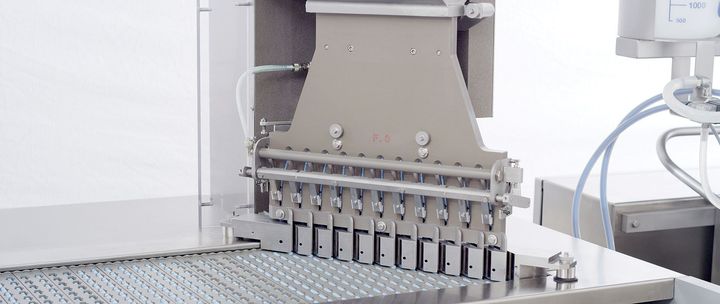
Helpful Advice for Operating and Maintaining Capsule Banding Machines
Capsule banding machines are specialized pharmaceutical devices used to apply a secure band around capsules, typically made of gelatin or polymer-based materials. This band seals the gap between the capsule's body and cap, ensuring the contents remain protected from moisture, tampering, or leakage.
These machines exist because traditional capsule filling methods sometimes create loose-fitting caps, especially when dealing with powders, liquids, or sensitive formulations. Banding ensures the capsule remains intact throughout handling, transport, and storage. The process also supports tamper-evident packaging, which is essential for medications and nutraceuticals that must maintain strict safety standards.

A capsule banding machine usually performs:
-
Capsule orientation and feeding
-
Precise band application using gelatin or polymer solution
-
Drying and sealing
-
Quality checking for leakage or deformation
This makes the equipment vital for companies producing high-value or sensitive capsule products.
Importance – Why Capsule Banding Machines Matter Today
Capsule banding has become increasingly important due to rising safety regulations, consumer awareness, and global pharmaceutical distribution.
Who It Affects
-
Pharmaceutical manufacturers
-
Nutraceutical and supplement producers
-
Contract manufacturing organizations
-
Regulatory auditors and quality assurance teams
-
Patients and consumers who rely on safe medication
Key Problems These Machines Solve
-
Tamper-proofing: Banding provides visible evidence if a capsule has been opened.
-
Leak prevention: Essential for liquid-filled capsules and hygroscopic powders.
-
Improved stability: The band helps protect contents from moisture and contamination.
-
Regulatory compliance: Many markets require enhanced safety and traceability features.
-
Higher production efficiency: Automated banding machines reduce manual handling and ensure consistency.
As the demand for liquid-filled capsules, probiotics, and functional supplements grows worldwide, the use of reliable banding machines becomes more critical.
Recent Updates – Trends and Developments (2024–2025)
The capsule banding industry has seen significant advancements aimed at improving accuracy, efficiency, and operator safety.
Automated Vision Inspection Systems (2024)
Modern machines now include built-in cameras that detect:
-
Incomplete bands
-
Misaligned capsules
-
Uneven sealing
-
Overfilled or damaged capsules
This significantly reduces manual inspection efforts.
Energy-Efficient Drying Systems
Manufacturers introduced low-heat drying technology in 2024 to preserve capsule integrity without excessive energy consumption.
Enhanced Banding Materials
New polymer bands introduced in late 2023 offer:
-
Faster drying times
-
Higher moisture resistance
-
Better adhesion for liquid-filled capsules
Industry Shift Toward Zero-Contact Handling
Driven by stricter contamination-control guidelines, many new machines reduce or eliminate direct operator contact with capsules during operation.
Integration With Digital Batch Records
Smart banding systems now connect to cloud dashboards for:
-
Real-time performance monitoring
-
Automatic recordkeeping
-
Predictive maintenance alerts
These updates support modern pharmaceutical standards for data integrity and process transparency.
Laws or Policies – Regulatory Considerations
Capsule banding plays a functional role in meeting various pharmaceutical regulations around the world.
Good Manufacturing Practice (GMP) Requirements
Regulatory bodies such as:
-
U.S. FDA
-
European Medicines Agency (EMA)
-
India’s CDSCO
-
WHO GMP
require tamper-evident packaging and consistent sealing, especially for prescription and high-risk medications.
Tamper-Evident Packaging Rules
Many countries have laws requiring manufacturers to ensure their oral dosage forms exhibit visible signs of tampering. Capsule banding fulfills this requirement by adding a secure and identifiable seal.
Quality Control and Documentation Rules
Capsule banding machines must comply with:
-
Batch traceability rules
-
Validation requirements (IQ, OQ, PQ)
-
Equipment cleaning and maintenance protocols
-
Electronic record and audit trail standards under 21 CFR Part 11
Health and Safety Guidelines
Operators must follow:
-
Machine guarding standards
-
Proper ventilation for drying units
-
Safe handling of gelatin or polymer solutions
Regulatory compliance is one of the biggest factors encouraging companies to adopt high-precision capsule banding systems.
Tools and Resources – Useful Support for Efficient Operation
Operational Tools for Capsule Banding
-
Capsule feeding trays
-
Temperature and humidity monitors
-
Gelatin or polymer viscosity measurement tools
-
Quality inspection lights or cameras
-
Calibration kits for band application width
Digital Tools and Software
-
Capsule batch tracking software
-
Machine performance dashboards
-
Predictive maintenance apps
-
Label and barcode generation tools
-
Online SOP management platforms
Educational and Training Resources
-
Manufacturer video tutorials
-
GMP compliance training modules
-
Equipment validation templates
-
Maintenance scheduling sheets
-
Pharmaceutical packaging guidelines from WHO and FDA
Industry Support Resources
-
Technical service providers
-
Equipment calibration agencies
-
Spare parts suppliers
-
Validation and audit consultants
These tools and resources help companies maintain efficiency, reduce downtime, and comply with industry standards.
Operating and Maintaining Capsule Banding Machines – Key Advice
Operating Tips
-
Monitor temperature and humidity, as they affect band drying.
-
Ensure capsule orientation systems are free from jams.
-
Check viscosity levels of the banding solution regularly.
-
Run sample batches at the start of shifts to confirm alignment.
-
Use proper ventilation to support even drying.
-
Calibrate band width and height as per capsule size.
Maintenance Tips
-
Clean banding nozzles daily to prevent blockage.
-
Lubricate mechanical components as recommended.
-
Inspect sensors and vision systems for dust buildup.
-
Replace O-rings, seals, and tubing periodically.
-
Document all maintenance activities for audit readiness.
-
Check for wear and tear on conveyor belts and rollers.
Regular maintenance supports long-term reliability and minimizes production delays.
Comparison Table: Common Problems and Their Solutions
| Issue | Possible Cause | Suggested Action |
|---|---|---|
| Uneven banding | Incorrect viscosity | Adjust solution or temperature |
| Capsule leakage | Improper sealing | Verify band thickness and drying time |
| Capsule jams | Misaligned feeding | Clean tracks and re-calibrate |
| Slow drying | Low heat or humidity issues | Check airflow and heater settings |
| Sticky capsules | Over-application of band | Reduce application volume |
FAQs
What is the main purpose of capsule banding?
Capsule banding provides tamper-evidence and prevents leakage, improving product safety and shelf stability.
Do all capsules require banding?
No. Banding is most common for liquid-filled capsules, sensitive formulations, and products requiring tamper-proofing.
How often should capsule banding machines be serviced?
Routine cleaning should occur daily, with full preventive maintenance performed monthly or as recommended by the manufacturer.
Can one machine band different capsule sizes?
Yes. Most machines allow size adjustments, though change parts may be required for certain formats.
Are banding materials safe for consumption?
Pharmaceutical-grade gelatin and polymers used for banding are safe, non-toxic, and meet regulatory standards.
Final Thoughts
Capsule banding machines contribute greatly to pharmaceutical product safety and reliability. By ensuring capsules are securely sealed, these machines help manufacturers meet global quality and compliance expectations. Understanding how to operate, inspect, and maintain them effectively can reduce downtime, enhance product quality, and improve manufacturing efficiency. With advancements in automation and digital monitoring, capsule banding continues to evolve as an important part of modern pharmaceutical operations.