Helpful Advice for Operating and Maintaining Air Jet Spinning Machines
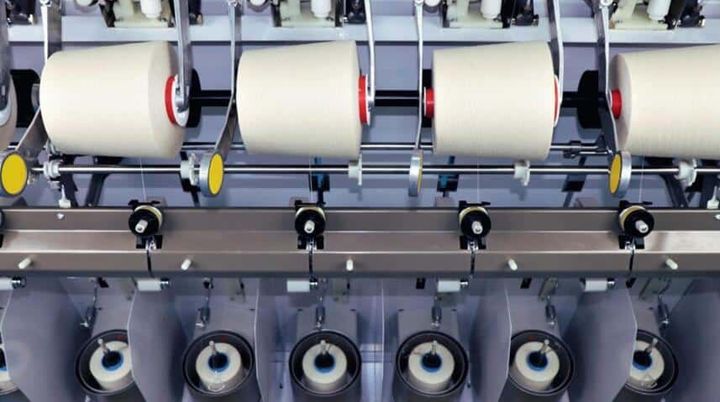
Air jet spinning machines are modern textile machines designed to produce yarn using high-speed airflow instead of traditional mechanical twisting. Unlike ring or rotor spinning systems, air jet spinning uses compressed air to manipulate fibres into a structured yarn. These machines were developed to increase production speed, reduce labour intensity, and deliver more uniform yarn in large quantities.
The technology exists because textile producers need faster, cleaner, and more efficient alternatives to older spinning methods. Air jet spinning helps simplify processes, improve yarn quality for specific applications, and reduce energy consumption compared to some conventional spinning systems.


Importance – Why Air Jet Spinning Matters Today
Air jet spinning plays a significant role in today’s textile and apparel industry due to increasing demand for high-volume and cost-efficient yarn production.
Higher Productivity
Air jet systems are much faster than traditional spinning methods, enabling manufacturers to meet rising global demand for fabrics such as shirting materials, sportswear, and home textiles.
Improved Yarn Uniformity
These machines create yarn with fewer imperfections, which supports consistent fabric performance.
Energy Efficiency
Modern air jet spinning machines are designed to consume less energy per kilogram of yarn, helping factories manage operational costs more effectively.
Reduced Labour Needs
Automation reduces manual intervention, making the process safer and easier for operators.
Who Benefits Most
-
Textile mills producing large batches
-
Apparel manufacturers requiring consistent yarn
-
Export-oriented fabric companies
-
SMEs adopting automation to stay competitive
Air jet spinning remains essential for industries seeking speed, cleanliness, and lower production costs.
Recent Updates – Trends and Developments (2024–2025)
Technological advancements continue to improve the performance, efficiency, and usability of air jet spinning machines.
Higher Automation Levels (2024)
Several leading manufacturers introduced systems with fully automated doffing, automatic piecing, and enhanced quality monitoring tools.
Smart Sensors and IoT Integration
Digital monitoring features now track air pressure, fibre flow, temperature, and machine speed in real time. This helps reduce downtime and predict maintenance needs.
Focus on Energy Optimization (2024–2025)
Newer models include improved nozzle designs to reduce compressed air usage, which is a major operational cost.
Enhanced Yarn Quality Features
Advancements in nozzle geometry and fibre guidance systems have improved yarn strength and reduced hairiness.
Sustainability Trends
There is increasing interest in creating yarn from recycled fibres using air jet spinning due to its efficient fibre handling capability.
These updates reflect the industry’s commitment to modern, cost-efficient textile manufacturing.
Laws or Policies – Regulations That Influence Air Jet Spinning Operations
While specific regulations vary by country, some common policies influence textile factories using air jet machines:
Worker Safety Standards
Countries require textile units to follow safety guidelines related to:
-
Machine guarding
-
Noise control
-
Air pressure handling
-
Fire safety rules
Environmental Regulations
Many regions enforce rules on:
-
Energy consumption
-
Emission control
-
Waste management
-
Responsible water use
Compliance for Industrial Equipment
Air compressors, electrical systems, and automation controls must meet approved industrial certification standards.
Labour Laws
Shift scheduling, ventilation, and workplace ergonomics guidelines help protect worker well-being.
Government Support Programs
Some countries offer incentives for adopting energy-efficient machines or upgrading old textile technology.
Understanding local regulations helps factories improve compliance and workplace safety.
Tools and Resources – Helpful Support for Operating Air Jet Spinning Machines
Effective operation and maintenance rely on the right tools and knowledge resources.
Machine Operation Tools
-
Air pressure gauges
-
Nozzle cleaning kits
-
Yarn tension meters
-
Lubrication tools
-
Roller alignment tools
Digital and Software Tools
-
Machine monitoring dashboards
-
IoT-based maintenance alerts
-
Yarn quality analysis apps
-
Energy consumption trackers
Educational Resources
-
Textile machinery manuals
-
Online operator training videos
-
Maintenance checklists
-
Industry association guides
Planning and Cost Tools
-
Production calculators
-
Air consumption calculators
-
Maintenance scheduling templates
Using these tools helps improve efficiency, reduce errors, and maintain consistent machine performance.
Advice for Operating Air Jet Spinning Machines
Operating air jet spinning machines efficiently requires focus on settings, fibre preparation, and environmental conditions.
Ensure Proper Fibre Preparation
Well-prepared fibres improve yarn quality and reduce machine load.
-
Use clean and uniformly blended fibre material.
-
Maintain correct humidity levels in the fibre preparation area.
Monitor Air Pressure Carefully
Air pressure is central to machine performance.
-
Too high can damage fibres.
-
Too low can reduce yarn strength.
Check pressure regularly to ensure optimal airflow.
Keep the Nozzles Clean
Clogged nozzles affect yarn uniformity.
-
Use recommended cleaning tools daily.
-
Avoid abrasive materials that can damage nozzle surfaces.
Adjust Machine Settings for Fibre Type
Different fibres react differently to air turbulence.
-
Follow manufacturer guidelines for cotton, polyester, or blended fibres.
Ensure Proper Drafting System Alignment
Misalignment leads to breakages and inconsistent yarn.
-
Inspect rollers and drafting zones frequently.
Advice for Maintaining Air Jet Spinning Machines
Routine maintenance improves machine lifespan, reduces downtime, and ensures consistent output.
Daily Maintenance
-
Clean lint, dust, and fibre deposits.
-
Check air pressure and compressor performance.
-
Ensure sensors and yarn monitoring systems are working.
Weekly Maintenance
-
Inspect drafting rollers for wear.
-
Lubricate moving parts as recommended.
-
Examine yarn guides, tension devices, and control panels.
Monthly Maintenance
-
Check compressed air filters and replace if required.
-
Test nozzle performance and airflow consistency.
-
Inspect belts, bearings, and high-speed components.
Long-Term Maintenance
-
Schedule professional servicing as per manufacturer guidelines.
-
Update software and digital tools regularly.
-
Maintain a logbook of breakdowns and repairs.
Maintenance Summary Table
| Maintenance Frequency | Key Actions | Benefits |
|---|---|---|
| Daily | Clean nozzles, check air pressure, remove lint | Stable performance and reduced downtime |
| Weekly | Lubrication, roller inspection | Improved fibre movement and yarn uniformity |
| Monthly | Replace filters, test air systems | Lower energy use and longer machine life |
| Periodic | Professional inspection | Early problem detection and efficiency improvement |
FAQs
How often should air jet spinning machines be serviced?
Routine cleaning is needed daily, while full mechanical inspections are typically done monthly or quarterly depending on usage.
What causes yarn breakage in air jet spinning?
Common reasons include low air pressure, poor fibre preparation, worn rollers, or nozzle blockage.
Can air jet machines handle all types of fibres?
They work best with short-staple fibres like cotton and blends. Fibre quality affects performance significantly.
How do sensors improve machine performance?
Sensors help detect irregularities, maintain consistent pressure, and alert operators about maintenance needs.
Do air jet spinning machines reduce manpower requirements?
They use higher automation, which reduces manual intervention but still require trained operators for monitoring and maintenance.
Final Thoughts
Operating and maintaining air jet spinning machines effectively contributes to consistent yarn quality, higher productivity, and lower operational costs. With modern advancements, digital monitoring, and improved nozzle technologies, these machines offer reliable solutions for textile manufacturers. Clear maintenance routines, proper fibre preparation, and adherence to safety and regulatory guidelines ensure long-term performance and better outcomes for production teams.