Gas Turbines Explained for Efficient Power Generation
Gas turbines are mechanical systems designed to convert the energy stored in fuel into useful power. They work by compressing air, mixing it with fuel, igniting the mixture, and using the high-temperature, high-pressure gases produced to spin a turbine. This spinning motion is then used to generate electricity or provide mechanical power.
Gas turbines exist because they offer a reliable and relatively fast way to produce power from gaseous or liquid fuels. They were initially developed for aviation but later adapted for industrial and power generation purposes due to their compact design and ability to deliver high power output.
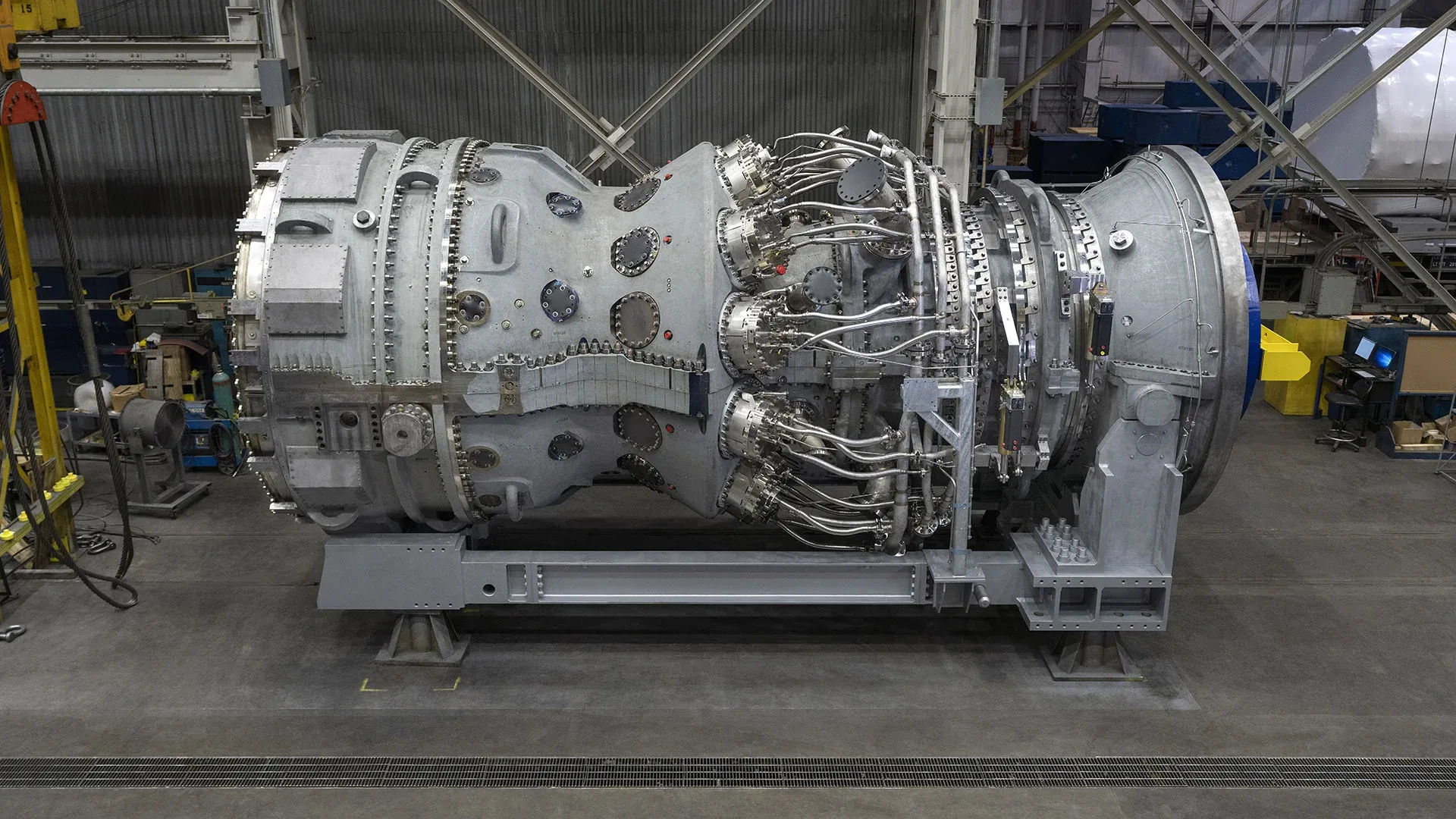
Today, gas turbines are widely used in power plants, industrial facilities, and energy systems that require consistent and controllable power. They are especially important where rapid start-up and flexible operation are needed.
Importance
Gas turbines matter because modern power systems must balance reliability, efficiency, and responsiveness. As electricity demand fluctuates throughout the day, power generation technologies must be able to adjust output quickly and operate efficiently under varying conditions.
Why this topic matters today
Several factors have increased the relevance of gas turbines in recent years:
-
Growing demand for electricity across urban and industrial areas
-
Increased integration of renewable energy sources
-
Need for flexible power generation to balance supply and demand
-
Focus on reducing emissions compared to older technologies
Gas turbines help address these challenges by offering fast response times and compatibility with cleaner fuels.
Who gas turbines affect
-
Power generation companies
-
Industrial manufacturers
-
Energy planners and utilities
-
Infrastructure and engineering teams
-
Communities relying on stable electricity supply
Understanding gas turbines helps stakeholders make informed decisions about energy systems and infrastructure.
How Gas Turbines Work
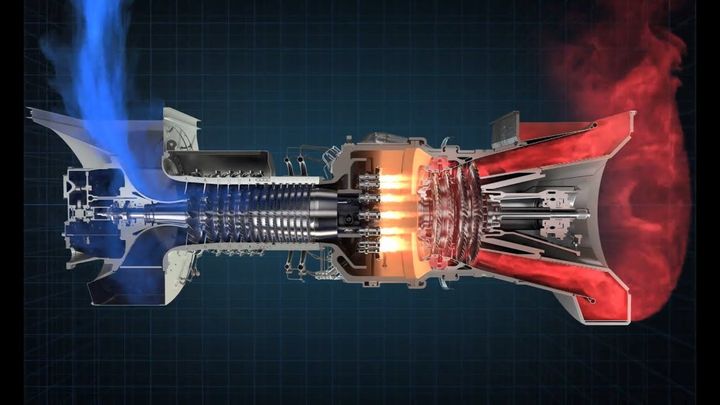
Gas turbines operate on a continuous combustion process, commonly referred to as the Brayton cycle. The process involves three main stages: compression, combustion, and expansion.
Basic operating stages
-
Air is drawn into the compressor and compressed
-
Fuel is injected and ignited in the combustion chamber
-
Hot gases expand through the turbine blades
-
The turbine shaft drives a generator or mechanical load
The table below outlines the main components and their roles.
| Component | Function |
|---|---|
| Compressor | Increases air pressure |
| Combustion chamber | Burns fuel |
| Turbine | Converts gas energy into motion |
| Shaft | Transfers mechanical power |
| Generator | Produces electricity |
This continuous cycle allows gas turbines to deliver steady power output.
Types of Gas Turbines
Gas turbines are categorized based on application, size, and configuration.
Industrial gas turbines
These turbines are used in power plants and industrial facilities to generate electricity or mechanical power for compressors and pumps.
Aero-derivative gas turbines
Derived from aircraft engines, these turbines are lightweight and capable of rapid start-up, making them suitable for flexible power generation.
Heavy-duty gas turbines
These are larger systems designed for long-term, continuous operation in base-load power plants.
The table below compares common gas turbine types.
| Type | Typical Use |
|---|---|
| Industrial | Power and mechanical drive |
| Aero-derivative | Flexible power generation |
| Heavy-duty | Base-load electricity |
Each type is selected based on operational requirements and load patterns.
Gas Turbines in Power Generation Systems
Gas turbines are often used alone or as part of combined systems.
Simple cycle power plants
In a simple cycle, the gas turbine directly drives a generator. These plants are valued for quick start-up and operational flexibility.
Combined cycle power plants
In combined cycle plants, waste heat from the gas turbine is used to produce steam that drives a steam turbine. This improves overall efficiency.
The table below highlights system configurations.
| Configuration | Key Advantage |
|---|---|
| Simple cycle | Fast response |
| Combined cycle | Higher efficiency |
These configurations allow gas turbines to support different power generation needs.
Recent Updates
Gas turbine technology has continued to evolve in response to energy transition goals and efficiency demands.
Notable developments during 2024–2025
-
In March 2024, increased deployment of high-efficiency combined cycle gas turbine plants
-
In August 2024, advancements in turbine materials improved high-temperature performance
-
By January 2025, growing focus on gas turbines capable of operating with lower-carbon fuels
There has also been expanded use of digital monitoring and predictive maintenance to improve reliability and lifespan.
Efficiency and Performance Factors
The efficiency of a gas turbine depends on several design and operating factors.
Key factors influencing efficiency
-
Turbine inlet temperature
-
Compressor pressure ratio
-
Fuel quality
-
Maintenance condition
-
Ambient temperature
The table below shows how these factors affect performance.
| Factor | Impact |
|---|---|
| Higher inlet temperature | Increased efficiency |
| Proper maintenance | Stable output |
| Clean fuel | Reduced wear |
| Optimized design | Lower losses |
Managing these factors helps maximize energy output and system reliability.
Environmental Considerations
Gas turbines are often viewed as a transitional technology in cleaner energy systems.
Environmental aspects
-
Lower emissions compared to coal-based systems
-
Compatibility with cleaner fuels
-
Reduced particulate emissions
-
Support for grid stability with renewables
While not emission-free, gas turbines can play a role in reducing overall environmental impact when used responsibly.
Applications of Gas Turbines
Gas turbines are used across various sectors.
Common application areas
-
Electricity generation
-
Industrial cogeneration
-
Oil and gas processing
-
Aviation and marine propulsion
-
Emergency and backup power systems
The table below shows application examples.
| Sector | Purpose |
|---|---|
| Power generation | Electricity supply |
| Industry | Process energy |
| Oil and gas | Mechanical drive |
| Infrastructure | Backup power |
These applications highlight the versatility of gas turbines.
Laws or Policies
Gas turbine use is influenced by energy, environmental, and industrial regulations.
In India
-
Emissions standards regulate exhaust gases
-
Energy efficiency guidelines influence plant design
-
Safety regulations apply to fuel handling and operation
General regulatory considerations
-
Compliance with air quality standards
-
Reporting of emissions and fuel use
-
Adherence to industrial safety codes
These policies ensure that gas turbine operations align with environmental and safety objectives.
Role of Gas Turbines in Energy Transition
Gas turbines support energy transition by providing flexible generation that complements renewable sources.
Transition-related benefits
-
Rapid ramp-up and ramp-down capability
-
Grid stabilization during renewable variability
-
Integration with hybrid energy systems
This flexibility helps maintain reliable power as energy systems diversify.
Tools and Resources
Several tools and resources help in understanding and managing gas turbine systems.
Engineering and planning tools
-
Power output calculators
-
Heat rate estimation tools
-
System performance models
Monitoring and maintenance resources
-
Digital monitoring dashboards
-
Predictive maintenance software
-
Condition monitoring systems
Educational resources
-
Power engineering textbooks
-
Industry standards documentation
-
Technical training programs
These resources support informed operation and planning.
Comparing Power Generation Technologies
The table below provides a general comparison.
| Technology | Key Feature |
|---|---|
| Gas turbine | Fast response |
| Steam turbine | Stable base-load |
| Renewable systems | Low emissions |
| Hybrid systems | Balanced performance |
Gas turbines often serve as a bridge between traditional and renewable energy systems.
FAQs
What is a gas turbine used for?
A gas turbine is used to generate electricity or provide mechanical power by converting fuel energy into rotational motion.
Are gas turbines efficient?
Efficiency varies by design and configuration. Combined cycle systems achieve higher efficiency than simple cycle setups.
What fuels do gas turbines use?
They commonly use natural gas, but some designs can operate on liquid fuels or blended fuels.
How quickly can gas turbines start?
Many gas turbines can start and reach operating output within minutes, making them suitable for flexible power needs.
Are gas turbines environmentally friendly?
They produce lower emissions than some traditional technologies and support cleaner energy systems, but they still generate exhaust gases.
Final Thoughts
Gas turbines are a key technology in modern power generation, offering a balance of efficiency, flexibility, and reliability. Their ability to respond quickly to changes in electricity demand makes them valuable in energy systems that increasingly rely on variable renewable sources.
By understanding how gas turbines work, their types, applications, and regulatory context, stakeholders can make informed decisions about their role in power infrastructure. Rather than replacing all other technologies, gas turbines complement a diverse energy mix.
As power systems continue to evolve, gas turbines remain an important solution for efficient and adaptable electricity generation.