Gas Dehydration Units Explained for Improved Gas Quality and Safety
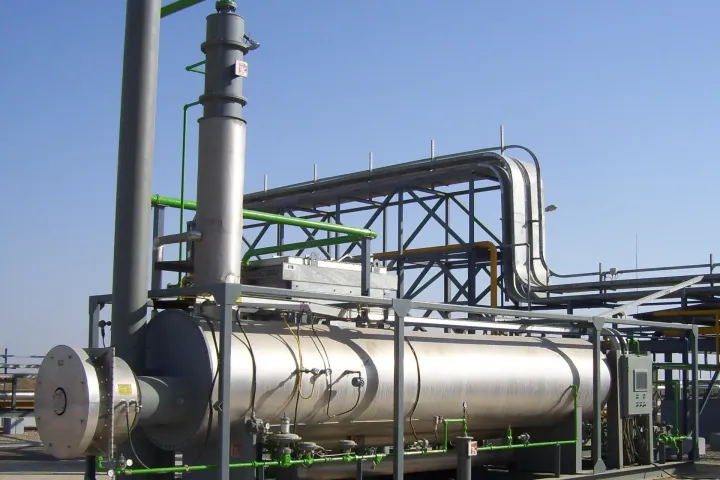
Gas dehydration units are systems designed to remove water vapor from natural gas or other process gases. They exist because raw gas extracted from wells or produced during industrial processes often contains moisture. If this moisture is not removed, it can create operational, safety, and quality problems as gas moves through pipelines, processing plants, or end-use systems.
Water in gas can condense under certain temperature and pressure conditions, leading to corrosion, hydrate formation, and reduced efficiency. Gas dehydration units were developed to manage these risks by reducing moisture content to acceptable levels before gas is transported or used.
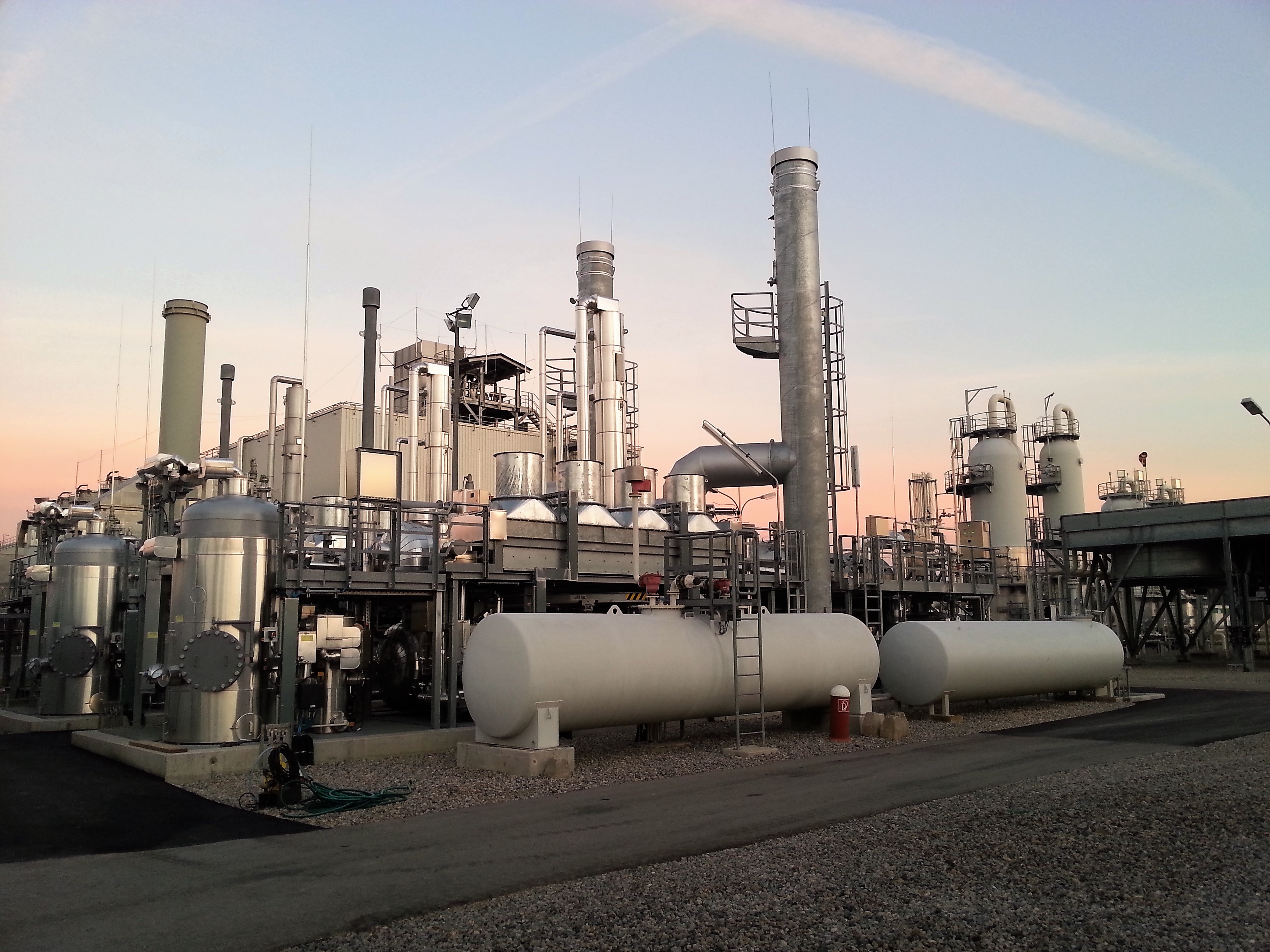
These units are an essential part of gas processing infrastructure and are used across upstream, midstream, and downstream operations to ensure gas meets required quality and safety standards.
Importance
Gas dehydration units matter because moisture control directly affects the reliability and safety of gas systems. Even small amounts of water vapor can cause significant issues over time if left unmanaged.
Why gas dehydration is important today
Several factors have increased the importance of effective gas dehydration:
-
Expansion of natural gas pipelines and distribution networks
-
Higher safety and reliability expectations
-
Increased focus on equipment lifespan and maintenance reduction
-
Stricter quality specifications for gas delivery
Removing moisture helps prevent damage and ensures that gas can be transported and used efficiently.
Who gas dehydration units affect
-
Oil and gas producers
-
Gas processing and transmission companies
-
Power generation facilities
-
Industrial gas users
-
Pipeline operators and maintenance teams
Understanding gas dehydration units helps these groups operate systems more safely and consistently.
Why Moisture in Gas Is a Problem
Moisture in gas can create multiple operational challenges if not properly controlled.
Common problems caused by water in gas
-
Internal corrosion of pipelines and equipment
-
Formation of gas hydrates that block flow
-
Reduced efficiency of compressors and turbines
-
Measurement and control inaccuracies
The table below shows typical moisture-related issues.
| Issue | Impact |
|---|---|
| Corrosion | Equipment damage |
| Hydrate formation | Flow blockage |
| Freezing | Operational disruption |
| Contamination | Reduced gas quality |
Gas dehydration units address these issues by lowering the water content to safe levels.
How Gas Dehydration Units Work
Gas dehydration units remove moisture using physical or chemical separation methods. The specific process depends on unit type and application requirements.
Basic working principle
-
Wet gas enters the dehydration unit
-
Moisture is absorbed or separated
-
Dry gas exits with reduced water content
-
Moisture is collected or regenerated
The table below summarizes common dehydration methods.
| Method | How It Removes Moisture |
|---|---|
| Glycol dehydration | Absorption |
| Solid desiccant | Adsorption |
| Refrigeration | Condensation |
| Membrane separation | Selective permeability |
Each method is chosen based on gas composition, flow rate, and required dryness.
Types of Gas Dehydration Units
Different dehydration technologies are used for different operational needs.
Glycol dehydration units
These units use liquid glycol to absorb water vapor from gas. They are widely used in natural gas processing due to reliability and adaptability.
Desiccant dehydration units
Desiccant units use solid materials such as silica gel or molecular sieves to adsorb moisture. They are suitable for applications requiring very low moisture levels.
Refrigeration-based dehydration
This method cools gas to condense water vapor, which is then removed. It is often used as a pre-treatment step.
Membrane dehydration systems
Membrane units separate water vapor using selective membranes and are used in specific applications where compact design is needed.
The table below compares dehydration unit types.
| Unit Type | Typical Use |
|---|---|
| Glycol | Pipeline gas |
| Desiccant | Ultra-dry gas |
| Refrigeration | Bulk moisture removal |
| Membrane | Compact systems |
Applications of Gas Dehydration Units
Gas dehydration units are used wherever gas quality must be controlled.
Common application areas
-
Natural gas processing plants
-
Gas gathering and transmission systems
-
LNG preparation facilities
-
Industrial gas supply networks
-
Power generation plants
The table below shows application examples.
| Industry | Purpose |
|---|---|
| Oil and gas | Pipeline protection |
| Utilities | Quality compliance |
| Manufacturing | Process stability |
| Energy | Equipment protection |
Each application has specific moisture limits and performance requirements.
Recent Updates
Gas dehydration technology has continued to develop in response to operational and environmental needs.
Notable developments during 2024–2025
-
In March 2024, increased adoption of compact and modular dehydration units
-
In August 2024, improvements in glycol recovery systems to reduce losses
-
By January 2025, greater use of digital monitoring for moisture control
There has also been a growing focus on reducing emissions and improving energy efficiency in dehydration processes.
Role of Gas Dehydration in Safety
Gas dehydration units play a direct role in maintaining system safety.
Safety-related benefits
-
Reduced risk of pipeline blockage
-
Lower likelihood of corrosion-related failures
-
More stable operating conditions
-
Improved reliability of downstream equipment
By controlling moisture, these units help maintain predictable and safe gas operations.
Gas Quality and Performance Benefits
Dry gas performs better across systems and equipment.
Quality improvements from dehydration
-
Consistent flow behavior
-
Accurate measurement and metering
-
Improved combustion efficiency
-
Reduced maintenance requirements
The table below summarizes quality benefits.
| Benefit | Result |
|---|---|
| Stable pressure | Reliable delivery |
| Clean gas | Equipment protection |
| Lower downtime | Operational continuity |
These benefits support long-term performance and cost control.
Laws or Policies
Gas dehydration units are governed by safety, environmental, and industrial regulations.
In India
-
Subject to industrial safety and pressure equipment regulations
-
Environmental rules govern emissions and waste handling
-
Compliance with pipeline and gas quality standards is required
General regulatory considerations
-
Periodic inspection and certification
-
Documentation of operating parameters
-
Compliance with safety and environmental guidelines
These policies ensure that gas dehydration systems operate responsibly and safely.
Environmental Considerations
Modern gas dehydration units are designed with environmental impact in mind.
Environmental focus areas
-
Reduction of hydrocarbon emissions
-
Efficient handling of spent materials
-
Energy optimization
-
Safe disposal or regeneration of absorbents
Responsible operation supports both regulatory compliance and sustainability goals.
Tools and Resources
Several tools and resources support understanding and operation of gas dehydration units.
Engineering and planning tools
-
Gas moisture calculators
-
Dehydration unit sizing guides
-
Process simulation tools
Monitoring and maintenance resources
-
Online moisture analyzers
-
Performance monitoring software
-
Maintenance scheduling systems
Educational resources
-
Industry technical manuals
-
Engineering standards documentation
-
Professional training programs
These resources help operators maintain consistent performance and compliance.
Comparing Dehydration Performance Levels
The table below shows typical moisture control levels by unit type.
| Dehydration Method | Moisture Removal Level |
|---|---|
| Glycol | Moderate to high |
| Desiccant | Very high |
| Refrigeration | Moderate |
| Membrane | Moderate |
Selection depends on required gas dryness and system conditions.
FAQs
What is a gas dehydration unit used for?
A gas dehydration unit removes water vapor from gas to improve quality, safety, and system reliability.
Why is moisture removal important in gas systems?
Moisture can cause corrosion, blockages, and equipment damage if not removed.
Are gas dehydration units used only in natural gas systems?
No. They are also used in industrial gas and energy-related applications.
Do gas dehydration units require regular maintenance?
Yes. Routine inspection and maintenance help ensure consistent moisture removal.
Can dehydration units be customized for specific applications?
Yes. Units are often designed to match gas composition, flow rate, and moisture limits.
Final Thoughts
Gas dehydration units are essential systems that support improved gas quality and operational safety. By removing moisture from gas streams, they help prevent corrosion, blockages, and performance issues that can disrupt operations.
Understanding how gas dehydration units work, their types, and regulatory considerations allows operators and planners to make informed decisions about gas processing systems. Rather than being optional components, dehydration units are a core part of safe and reliable gas infrastructure.