Gas Compressor Skids Explained for Efficient and Reliable Gas Operations
Gas compressor skids are packaged systems that integrate gas compressors with supporting equipment on a single structural frame, known as a skid. These systems are designed to compress gas and move it efficiently through pipelines, processing units, or storage systems. Gas compressor skids exist to simplify installation, operation, and maintenance by providing a pre-engineered and factory-assembled solution.
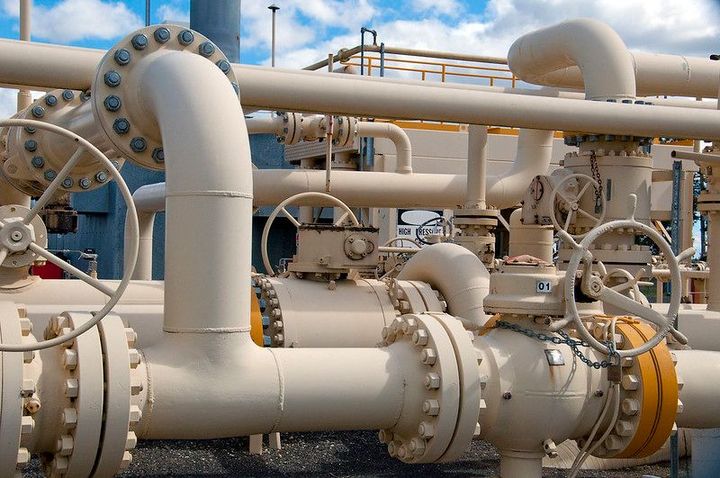
In gas handling operations, compression is essential because gases naturally expand and lose pressure as they move through systems. Compressor skids help maintain the required pressure and flow rate, ensuring that gas reaches its destination safely and reliably. By combining components such as compressors, motors, control panels, piping, and safety devices into one unit, skid systems reduce on-site complexity.
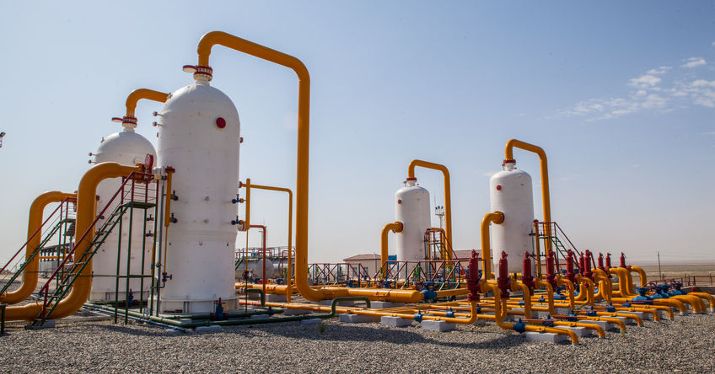
Gas compressor skids are widely used in industries such as oil and gas, energy, manufacturing, and utilities, where controlled gas movement is critical for operations.
Importance
Gas compressor skids matter because efficient gas compression is essential for safe and stable gas operations. Without proper compression systems, gas flow can become inconsistent, leading to operational inefficiencies, safety risks, and equipment damage.
Why this topic matters today
Several factors have increased the importance of gas compressor skids in modern operations:
-
Expansion of natural gas and industrial gas infrastructure
-
Increased focus on operational efficiency and uptime
-
Need for compact and modular equipment solutions
-
Higher safety and compliance requirements
Gas compressor skids help address these challenges by offering standardized, reliable, and space-efficient compression systems.
Who gas compressor skids affect
-
Oil and gas producers and processors
-
Pipeline operators and utilities
-
Industrial manufacturing facilities
-
Power generation plants
-
Engineering and maintenance teams
Understanding gas compressor skids helps these stakeholders plan, operate, and maintain gas systems more effectively.
What Is Included in a Gas Compressor Skid
A gas compressor skid typically includes multiple integrated components designed to work together.
Common components in a compressor skid
-
Gas compressor unit
-
Prime mover such as an electric motor or engine
-
Inlet and outlet piping
-
Control and instrumentation systems
-
Safety valves and shutdown devices
-
Structural skid frame
The table below summarizes key components and their function.
| Component | Function |
|---|---|
| Compressor | Increases gas pressure |
| Prime mover | Powers the compressor |
| Control system | Monitors and regulates operation |
| Piping | Directs gas flow |
| Safety devices | Protects system and personnel |
| Skid frame | Supports and integrates equipment |
This integrated design helps reduce installation time and operational risk.
Types of Gas Compressor Skids
Gas compressor skids are designed based on compression needs, gas type, and operating conditions.
Common compressor skid types
-
Reciprocating compressor skids
-
Screw compressor skids
-
Centrifugal compressor skids
-
Portable or modular compressor skids
The table below compares common compressor types.
| Compressor Type | Typical Use |
|---|---|
| Reciprocating | High-pressure, low-flow |
| Screw | Continuous medium flow |
| Centrifugal | High-flow applications |
| Modular skid | Temporary or flexible use |
Selecting the right type depends on pressure, flow, and operational requirements.
How Gas Compressor Skids Support Operations
Gas compressor skids play a key role in maintaining stable and efficient gas systems.
Operational benefits
-
Consistent gas pressure and flow
-
Reduced downtime due to integrated design
-
Easier installation and commissioning
-
Improved system reliability
By centralizing equipment into a single skid, operators can manage compression more efficiently.
Recent Updates
Gas compressor skid technology has continued to evolve in response to industry demands and technological progress.
Notable developments during 2024–2025
-
In April 2024, increased use of digital monitoring and control systems in compressor skids
-
In August 2024, growing demand for modular and transportable skid designs
-
By January 2025, wider adoption of condition monitoring and predictive maintenance features
There has also been a focus on improving energy efficiency and reducing emissions associated with gas compression operations.
Efficiency and Reliability Considerations
Efficiency and reliability are central to the design and operation of gas compressor skids.
Factors influencing efficiency
-
Compressor type and sizing
-
Operating pressure and flow conditions
-
Energy source efficiency
-
Maintenance practices
The table below highlights key efficiency factors.
| Factor | Impact on Performance |
|---|---|
| Proper sizing | Prevents energy loss |
| Stable operation | Reduces wear |
| Regular maintenance | Improves reliability |
| Control accuracy | Optimizes output |
Attention to these factors supports long-term operational stability.
Integration with Control and Monitoring Systems
Modern gas compressor skids are often integrated with automated control systems.
Control system functions
-
Real-time performance monitoring
-
Automatic start and shutdown
-
Alarm and safety interlocks
-
Remote operation and diagnostics
This integration helps operators respond quickly to changes and maintain safe conditions.
Safety Role of Gas Compressor Skids
Safety is a critical consideration in gas compression systems.
Safety features commonly included
-
Pressure relief valves
-
Emergency shutdown systems
-
Gas detection sensors
-
Temperature and vibration monitoring
These features help reduce the risk of accidents and equipment failure.
Applications of Gas Compressor Skids
Gas compressor skids are used in a wide range of applications.
Common application areas
-
Natural gas processing and transmission
-
Gas gathering and boosting stations
-
Industrial gas supply systems
-
Power generation facilities
-
Chemical and petrochemical plants
The table below shows application examples.
| Industry | Purpose |
|---|---|
| Oil and gas | Gas transport and processing |
| Utilities | Distribution pressure control |
| Manufacturing | Process gas supply |
| Energy | Fuel gas compression |
Each application has specific design and performance requirements.
Laws or Policies
Gas compressor skids are subject to regulatory standards related to safety, pressure equipment, and environmental protection.
In India
-
Governed by safety and pressure equipment regulations
-
Compliance with industrial standards for design and operation
-
Environmental guidelines related to emissions and noise
General regulatory considerations
-
Periodic inspection and certification
-
Compliance with safety codes and standards
-
Documentation and operational records
These policies ensure safe and responsible use of gas compression systems.
Tools and Resources
Various tools and resources help in understanding and managing gas compressor skids.
Engineering and planning tools
-
Gas flow and pressure calculators
-
Compressor sizing guides
-
System layout templates
Monitoring and maintenance resources
-
Performance monitoring software
-
Maintenance scheduling tools
-
Diagnostic and condition monitoring systems
Educational resources
-
Engineering reference manuals
-
Industry standards documentation
-
Technical training programs
These resources support informed operation and maintenance rather than product promotion.
Comparing Gas Compressor Skid Configurations
The table below outlines a simplified comparison of skid configurations.
| Configuration | Typical Benefit |
|---|---|
| Fixed skid | Long-term installation |
| Modular skid | Faster deployment |
| Portable skid | Temporary operations |
| Automated skid | Reduced manual control |
Understanding configuration options helps align system design with operational needs.
FAQs
What is a gas compressor skid used for?
A gas compressor skid is used to compress gas and maintain required pressure and flow in gas handling systems.
Are gas compressor skids pre-assembled?
Yes. Most compressor skids are assembled and tested before delivery to reduce on-site installation time.
Can gas compressor skids be customized?
Many skids are designed to meet specific pressure, flow, and operational requirements.
How are gas compressor skids maintained?
Maintenance typically includes routine inspection, lubrication, performance monitoring, and periodic servicing.
Are gas compressor skids suitable for remote locations?
Yes. Modular and automated skid designs are often used in remote or unmanned locations.
Final Thoughts
Gas compressor skids are essential systems that support efficient and reliable gas operations across many industries. By integrating compression equipment and support systems into a single, structured unit, they simplify installation, improve reliability, and enhance operational control.
Understanding how gas compressor skids work, their components, and regulatory considerations helps operators and engineers make informed decisions about system design and maintenance. Rather than focusing on complexity, skid-based solutions provide clarity, consistency, and efficiency in gas handling operations.