Practical Advice for Maintaining Excavator Machines
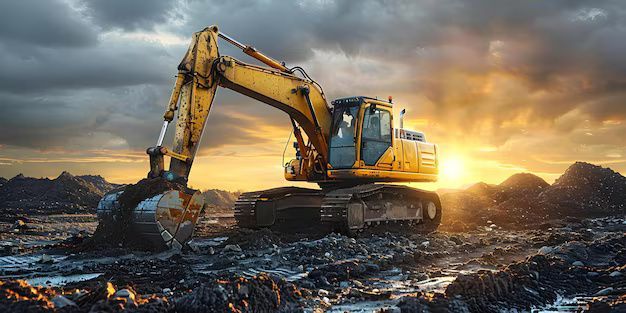
Excavator machines are essential equipment used across construction, mining, road work, agriculture, and utility projects. They perform heavy-duty tasks such as digging, lifting, grading, and demolishing. Because these machines frequently work in rough and demanding environments, they require consistent maintenance to operate safely and efficiently.
Excavator maintenance exists to prevent mechanical failure, reduce downtime, extend machine life, and ensure compliance with workplace safety standards. Routine maintenance includes checking hydraulic systems, lubricating moving parts, inspecting tracks, monitoring engine health, and ensuring electrical components function correctly. As machinery has become more advanced with digital and sensor-based systems, proper upkeep is now more important than ever.
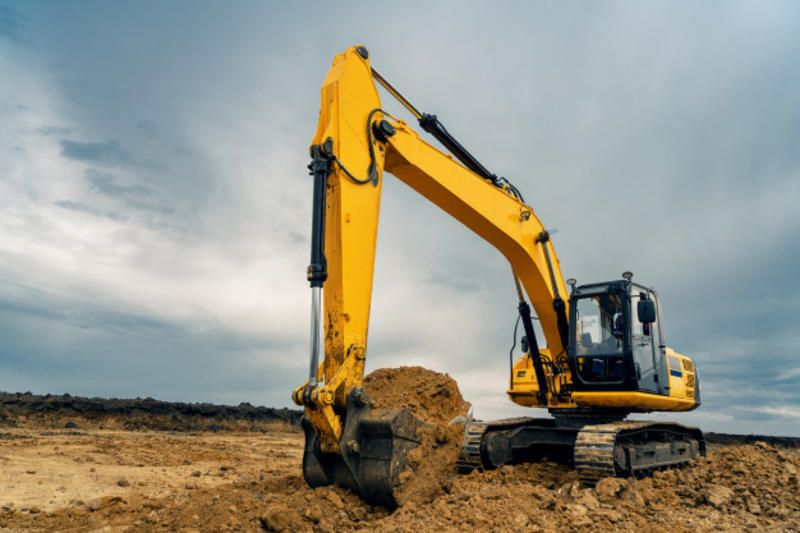
Excavator manufacturers also provide specific maintenance schedules and recommended service intervals. These guidelines help operators understand how often each part should be checked or replaced to maintain optimal performance.
Importance – Why Excavator Maintenance Matters Today
Maintaining excavator machines is essential for several reasons that affect operators, contractors, construction firms, equipment rental companies, and project managers.
Enhancing Machine Lifespan
Regular maintenance reduces wear and tear, preventing premature failure of components such as hydraulic cylinders, booms, engines, and tracks. This helps extend the useful life of the excavator.
Reducing Operational Costs
Unexpected breakdowns often lead to costly repairs, delays, and replacement parts. Preventive maintenance lowers overall operating expenses by identifying issues early.
Maintaining Safety Standards
A well-maintained machine reduces the risk of accidents, leaks, overheating, or uncontrolled movement. Safety is especially important on busy construction sites where multiple machines operate simultaneously.
Improving Performance and Efficiency
Hydraulic efficiency, fuel economy, and digging power depend heavily on proper care. Clean filters, well-lubricated joints, and calibrated systems help maintain optimal power output.
Avoiding Downtime
Unscheduled repairs can delay project timelines. Regular servicing ensures continuous machine availability, which is essential for meeting deadlines.
Supporting Environmental Responsibility
Well-maintained machines produce fewer emissions, reduce fuel waste, and minimize fluid leaks. This supports sustainability goals and helps meet environmental compliance standards.
Recent Updates – Developments in Excavator Maintenance (2024–2025)
The last year has seen new technologies and practices that influence how excavators are maintained. Some key updates include:
Telematics-Based Monitoring
In 2024, several manufacturers expanded telematics features that allow remote monitoring of machine health. These systems track engine temperature, fuel usage, hydraulic pressure, and idle time. Alerts inform operators of potential issues before they become serious.
AI-Assisted Predictive Maintenance
AI tools gained popularity in late 2024 for predicting component failures. They analyze operating patterns, load levels, and vibration data to estimate when a part needs service.
Upgrades in Hydraulic System Designs
New-generation excavators released in 2024–2025 feature improved hydraulic filters, shock-reduction valves, and cooling systems, making maintenance easier and more effective.
Eco-Friendly Lubricants and Fluids
Growing environmental focus has led to the use of biodegradable hydraulic oils and low-emission engine oils. These products help reduce ecological impact and comply with sustainability policies.
Operator Training Enhancements
Many construction companies updated their training programs in early 2025, focusing on proper handling techniques that reduce unnecessary machine strain.
Laws or Policies – Regulations Influencing Excavator Maintenance
Excavator maintenance is governed by safety rules, environmental guidelines, and industry standards. While these may vary by country, most regions follow similar frameworks:
Workplace Safety Laws
Construction safety authorities require machinery to be kept in safe working condition. Routine inspection of brakes, hydraulic systems, emergency shut-offs, and operator controls is mandatory.
Emissions and Environmental Regulations
Many countries enforce emission standards for heavy machinery. Proper maintenance ensures engines run efficiently and meet required emission levels.
Equipment Inspection Guidelines
Government bodies often require annual or periodic inspections, especially for equipment used in public projects or large industrial sites.
Operator Certification Requirements
Several countries require operators to be trained and certified. Training typically includes basic maintenance knowledge such as checking fluids, inspecting tracks, and identifying warning signs.
Hazardous Waste Disposal Rules
Used oils, filters, and batteries must be disposed of properly to avoid environmental contamination. Maintenance practices must follow approved disposal guidelines.
Tools and Resources – Helpful Platforms for Excavator Maintenance
Maintaining excavator machines effectively requires using proper tools, digital platforms, and reference materials. Below is a table listing useful tools and their functions.
Popular Tools and Resources for Excavator Maintenance
| Category | Tool Name | Function |
|---|---|---|
| Diagnostic Tools | Telematics Platforms (OEM apps) | Tracks machine health, sends alerts, provides usage reports. |
| Maintenance Apps | Fleetio, MaintainX | Helps schedule service, log inspections, and manage work orders. |
| Equipment Manuals | OEM Service Manuals | Provides official maintenance schedules and part specifications. |
| Spare Parts Tools | Online Parts Catalogs | Helps identify compatible parts and components. |
| Inspection Checklists | Digital Templates | Used for daily walk-around and pre-operation checks. |
| Fuel Monitoring Tools | Fuel Tracking Software | Monitors consumption and identifies inefficiencies. |
| Hydraulic Pressure Tools | Pressure Gauges | Measures hydraulic performance and detects leaks. |
| Lubricant Guides | Oil Specification Charts | Helps select suitable engine and hydraulic oils. |
FAQs – Common Questions About Excavator Maintenance
1. How often should an excavator be serviced?
Service intervals vary by manufacturer, but most machines require maintenance after a set number of operating hours. Daily inspections, weekly checks, and scheduled servicing at diagnostic intervals are recommended.
2. What are the most important daily maintenance tasks?
Daily tasks include inspecting hydraulic hoses, checking oil levels, cleaning air filters, examining tracks, and ensuring all safety controls work properly.
3. Why does hydraulic fluid condition matter?
Hydraulic fluid powers the machine’s movement. Contaminated or low-quality fluid can cause system damage, overheating, or decreased digging power.
4. How can telematics help with excavator maintenance?
Telematics systems track real-time data such as fuel usage, operating hours, idle time, and mechanical alerts. This helps operators identify issues early.
5. Does operator behavior affect excavator maintenance needs?
Yes. Gentle operation, proper load handling, and avoiding unnecessary idling reduce machine stress and extend the life of components.
Final Thoughts
Excavator maintenance is an essential part of keeping construction operations safe, efficient, and cost-effective. With increasing technological improvements, operators now have access to tools that make machine monitoring easier and more accurate. Regular inspections, proper lubrication, timely repairs, and following manufacturer guidelines can significantly extend the machine’s lifespan. As construction environments evolve, maintaining excavators responsibly supports better productivity, environmental safety, and compliance with legal standards.
By using modern diagnostic tools, staying updated on industry trends, and following structured maintenance routines, operators and project teams can ensure their excavators perform reliably throughout their service life.