Gas Sweetening Units Explained for Cleaner and Safer Gas Processing
Gas sweetening units are processing systems designed to remove acidic and harmful components from natural gas and other industrial gas streams. These components commonly include hydrogen sulfide and carbon dioxide, which are naturally present in many gas reserves. Gas that contains these impurities is often referred to as “sour gas,” while gas that has been treated to remove them is called “sweet gas.”
Gas sweetening exists because sour gas cannot be safely transported, processed, or used without treatment. Hydrogen sulfide is toxic and corrosive, while carbon dioxide can reduce gas quality and damage equipment. If left untreated, these impurities can pose risks to human health, infrastructure, and the environment.
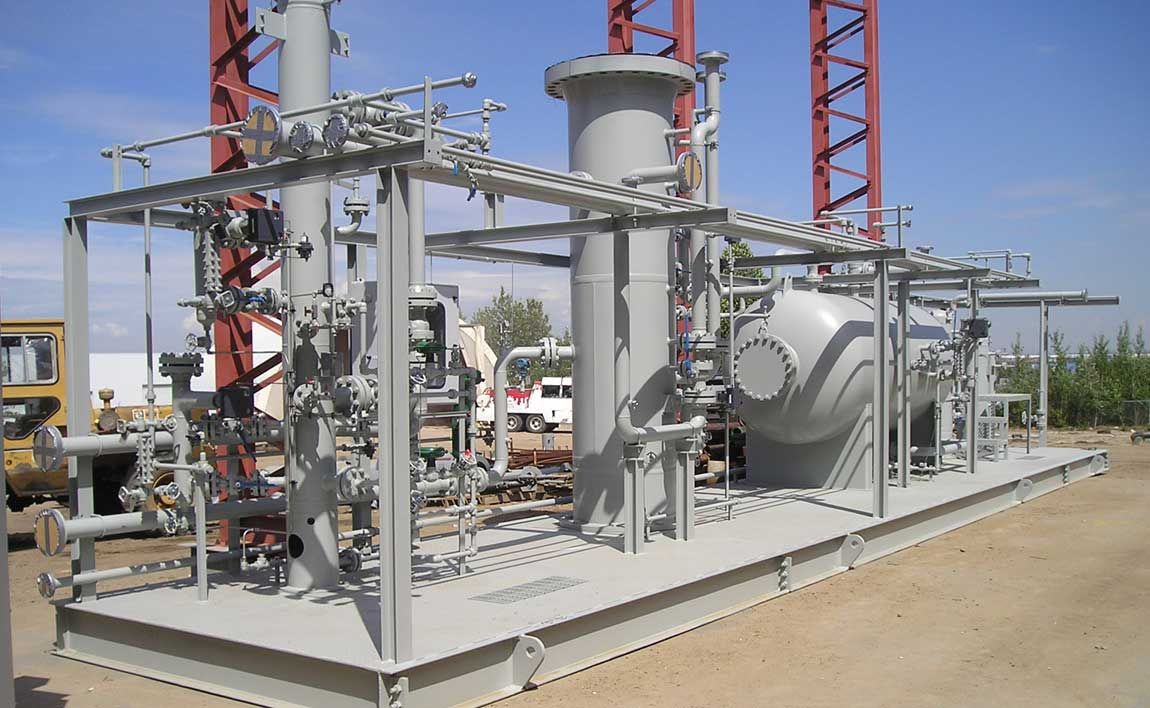
Gas sweetening units are a core part of gas processing facilities, refineries, and industrial plants. Their primary role is to improve gas quality so it meets safety, operational, and regulatory requirements before further use or distribution.
Importance
Gas sweetening units matter because untreated gas can create serious safety and operational challenges. Removing acidic components is essential for protecting people, equipment, and downstream systems.
Why this topic matters today
Several factors have increased the importance of gas sweetening in modern gas operations:
-
Expansion of natural gas production from sour gas fields
-
Stricter safety and environmental standards
-
Increased use of gas in power generation and industry
-
Higher expectations for pipeline and equipment reliability
As gas infrastructure grows and operates at larger scales, effective gas sweetening becomes critical for maintaining safe and efficient systems.
Who gas sweetening units affect
-
Oil and gas producers and processors
-
Refinery and petrochemical operators
-
Pipeline transmission companies
-
Power generation facilities
-
Safety, operations, and maintenance teams
Understanding gas sweetening units helps these stakeholders manage gas streams responsibly and reduce avoidable risks.
What Makes Gas “Sour” and Why It Must Be Treated
Sour gas contains acidic components that affect safety and performance.
Common acidic components in sour gas
-
Hydrogen sulfide
-
Carbon dioxide
-
Trace sulfur compounds
These components can cause multiple problems if not removed.
| Component | Potential Impact |
|---|---|
| Hydrogen sulfide | Toxicity and corrosion |
| Carbon dioxide | Reduced heating value |
| Sulfur compounds | Equipment damage |
Gas sweetening units are designed to remove or reduce these components to acceptable levels.
How Gas Sweetening Units Work
Gas sweetening units operate by separating acidic gases from the main gas stream using chemical or physical processes. The treated gas exits the unit with improved quality and safety.
Basic gas sweetening process
-
Sour gas enters the sweetening unit
-
Acidic components are absorbed or separated
-
Sweet gas exits for further processing or use
-
Acid gas is routed for treatment or disposal
The table below summarizes common gas sweetening methods.
| Sweetening Method | Removal Principle |
|---|---|
| Amine absorption | Chemical reaction |
| Physical solvents | Solubility-based separation |
| Membrane separation | Selective permeability |
| Solid adsorption | Surface binding |
The choice of method depends on gas composition and required purity.
Types of Gas Sweetening Units
Different gas sweetening technologies are used depending on impurity levels, flow rates, and operating conditions.
Amine gas sweetening units
Amine systems use liquid amine solutions to chemically absorb hydrogen sulfide and carbon dioxide. They are widely used due to reliability and flexibility.
Physical solvent sweetening units
These units use solvents that physically dissolve acidic gases. They are suitable for high-pressure gas streams.
Membrane-based sweetening units
Membrane systems separate acidic gases using selective membranes and are often used in compact or modular installations.
Solid adsorption systems
These systems use solid materials to capture acidic components and are applied in specific or smaller-scale applications.
| Unit Type | Typical Application |
|---|---|
| Amine | Large-scale gas processing |
| Physical solvent | High-pressure gas |
| Membrane | Space-limited systems |
| Adsorption | Specialized uses |
Selecting the right unit ensures effective and efficient gas treatment.
Role of Gas Sweetening in Gas Quality
Gas quality is essential for safe transport and end use.
How sweetening improves gas quality
-
Reduces toxicity risks
-
Improves heating value
-
Protects pipelines and equipment
-
Ensures compliance with specifications
Sweet gas behaves more predictably and is suitable for distribution and consumption.
Role of Gas Sweetening in System Safety
Safety is a primary reason for gas sweetening.
Safety benefits of gas sweetening units
-
Reduced risk of toxic gas exposure
-
Lower corrosion-related failures
-
Improved reliability of valves and instruments
-
Safer working environments
By removing hazardous components, gas sweetening units significantly reduce operational risks.
Applications of Gas Sweetening Units
Gas sweetening units are used across multiple sectors where sour gas is present.
Common application areas
-
Natural gas processing plants
-
Oil refineries
-
Gas gathering and transmission systems
-
LNG facilities
-
Chemical and industrial gas plants
| Industry | Purpose |
|---|---|
| Oil and gas | Safe gas transport |
| Refining | Process gas treatment |
| Power generation | Fuel quality control |
| Chemicals | Process stability |
Each application has specific impurity limits that must be met.
Recent Updates
Gas sweetening technology has continued to evolve in response to safety, efficiency, and environmental goals.
Notable developments during 2024–2025
-
In March 2024, increased adoption of energy-efficient amine regeneration systems
-
In August 2024, wider use of modular gas sweetening units for remote locations
-
By January 2025, improved digital monitoring of acid gas removal performance
There has also been growing emphasis on reducing energy use and emissions associated with sweetening operations.
Environmental Considerations
Gas sweetening units also support environmental protection.
Environmental benefits
-
Reduced release of sulfur compounds
-
Improved emissions control
-
Support for cleaner fuel use
Acid gases removed during sweetening are often treated further to minimize environmental impact.
Acid Gas Handling and Management
The byproducts of gas sweetening require careful handling.
Common acid gas management approaches
-
Sulfur recovery units
-
Controlled disposal systems
-
Further processing for reuse
Proper management ensures safety and regulatory compliance.
Laws or Policies
Gas sweetening units are governed by safety, environmental, and industrial regulations.
In India
-
Industrial safety regulations apply to sour gas handling
-
Environmental rules govern emissions and waste treatment
-
Pipeline and gas quality standards define impurity limits
General regulatory considerations
-
Mandatory gas quality compliance
-
Monitoring and reporting of hazardous components
-
Periodic inspection and certification
These policies ensure that gas sweetening operations protect people and the environment.
Monitoring and Control Practices
Continuous monitoring is essential for effective gas sweetening.
Common monitoring practices
-
Online gas analyzers
-
Process control systems
-
Alarm and safety interlocks
Monitoring ensures consistent gas quality and early detection of issues.
Tools and Resources
Several tools and resources support understanding and operation of gas sweetening units.
Engineering and planning tools
-
Gas composition analysis tools
-
Sweetening unit sizing calculators
-
Process simulation software
Monitoring and maintenance resources
-
Online hydrogen sulfide analyzers
-
Performance monitoring dashboards
-
Maintenance management systems
Educational resources
-
Gas processing handbooks
-
Industry standards documentation
-
Technical training programs
These resources support safe and informed operation.
Comparing Systems With and Without Gas Sweetening
| Aspect | Without Sweetening | With Sweetening |
|---|---|---|
| Gas safety | High risk | Controlled |
| Corrosion | Severe | Reduced |
| Gas quality | Variable | Consistent |
| Regulatory compliance | Difficult | Achievable |
This comparison highlights the necessity of gas sweetening.
FAQs
What is a gas sweetening unit used for?
A gas sweetening unit removes acidic and harmful components from gas to make it safer and suitable for use.
Why is hydrogen sulfide removal important?
Hydrogen sulfide is toxic and corrosive, making its removal essential for safety and equipment protection.
Are gas sweetening units only used in natural gas processing?
No. They are also used in refineries, petrochemical plants, and industrial gas systems.
Do gas sweetening units require regular maintenance?
Yes. Routine inspection and maintenance are necessary for reliable and safe operation.
Can gas sweetening units be customized?
Yes. Units are often designed based on gas composition, flow rate, and required purity levels.
Final Thoughts
Gas sweetening units play a vital role in ensuring cleaner and safer gas processing. By removing toxic and corrosive components, they protect infrastructure, support regulatory compliance, and create safer working environments.
Understanding how gas sweetening units work, their types, applications, and regulatory context allows operators and planners to manage gas systems responsibly. Rather than being optional additions, gas sweetening units are a fundamental part of modern gas processing infrastructure.