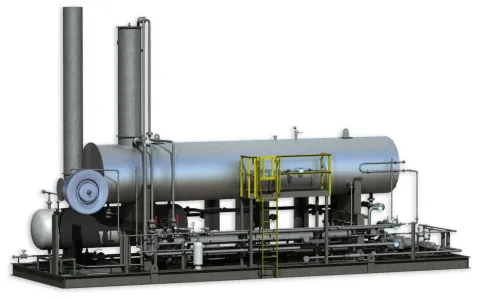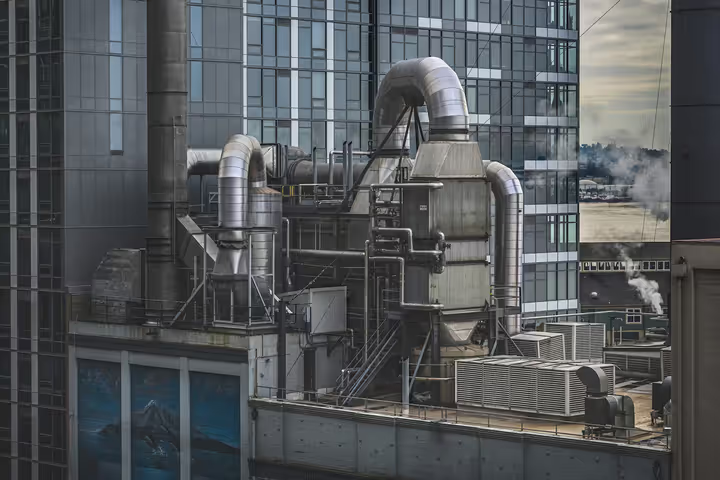
Flue Gas Desulfurization Units Explained for Cleaner Industrial Emissions
Flue Gas Desulfurization units, commonly known as FGD units, are pollution control systems designed to remove sulfur dioxide from exhaust gases produced by industrial processes. These gases, often called flue gases, are generated when fossil fuels such as coal, oil, or certain industrial fuels are burned in power plants, refineries, and manufacturing facilities.
Sulfur dioxide is a byproduct of combustion when fuels contain sulfur. If released directly into the atmosphere, it can contribute to air pollution, environmental damage, and health concerns. Flue Gas Desulfurization units exist to reduce these emissions by treating flue gas before it is released through chimneys or stacks.
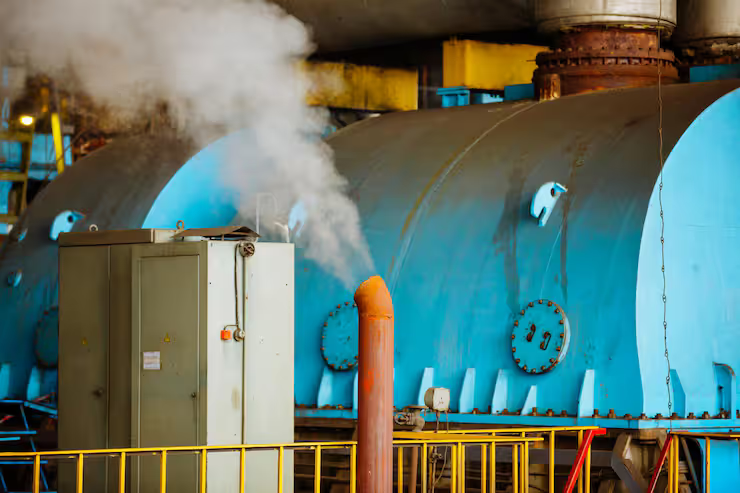
FGD technology has been developed and refined over decades as industries and governments recognized the need to balance energy production and industrial activity with environmental responsibility. Today, FGD units are a key part of cleaner industrial operations worldwide.
Importance
Flue Gas Desulfurization units matter because sulfur dioxide emissions have long-term impacts on air quality, ecosystems, and public health. Controlling these emissions is essential for sustainable industrial growth.
Why this topic matters today
Several factors have increased the importance of FGD systems in recent years:
-
Continued reliance on fossil fuels in power generation
-
Stricter air quality standards and emissions limits
-
Increased awareness of environmental and health impacts
-
Pressure on industries to reduce pollution responsibly
FGD units help industries meet environmental expectations while continuing essential operations.
Who Flue Gas Desulfurization units affect
-
Power generation companies
-
Cement, steel, and metal processing industries
-
Oil refineries and chemical plants
-
Environmental compliance and safety teams
-
Communities living near industrial zones
Understanding FGD systems helps stakeholders appreciate how industrial emissions are managed and reduced.
What Is Sulfur Dioxide and Why It Is a Concern
Sulfur dioxide is a colorless gas with a sharp odor, produced mainly during the combustion of sulfur-containing fuels. Once released into the air, it can react with other substances to form fine particles and acidic compounds.
Problems caused by sulfur dioxide emissions
-
Degradation of air quality
-
Contribution to acid rain
-
Damage to vegetation and water bodies
-
Irritation of the respiratory system
The table below summarizes key impacts.
| Impact Area | Effect |
|---|---|
| Air quality | Increased pollution |
| Environment | Soil and water acidification |
| Infrastructure | Corrosion of buildings |
| Health | Breathing discomfort |
Flue Gas Desulfurization units are designed specifically to reduce these risks.
How Flue Gas Desulfurization Units Work
FGD units operate by bringing flue gas into contact with a material that reacts with sulfur dioxide and removes it from the gas stream. The cleaned gas is then released, while the sulfur compounds are collected as byproducts.
Basic working process
-
Flue gas enters the desulfurization system
-
Sulfur dioxide reacts with an absorbent material
-
Reaction products are separated from the gas
-
Treated gas exits with reduced sulfur content
The table below outlines common desulfurization methods.
| Method | Removal Principle |
|---|---|
| Wet FGD | Chemical absorption |
| Dry FGD | Solid reaction |
| Semi-dry FGD | Spray absorption |
| Seawater FGD | Natural alkalinity |
Each method is selected based on plant size, fuel type, and regulatory requirements.
Types of Flue Gas Desulfurization Units
Different FGD technologies are used depending on operational needs and emission targets.
Wet Flue Gas Desulfurization
Wet FGD systems use a liquid absorbent, often limestone slurry, to react with sulfur dioxide. These systems are widely used in large power plants due to high removal efficiency.
Dry Flue Gas Desulfurization
Dry FGD systems use dry sorbent materials that react with sulfur dioxide. They are often used where water availability is limited.
Semi-dry Flue Gas Desulfurization
Semi-dry systems use a fine spray of absorbent material that partially evaporates, combining features of wet and dry methods.
Seawater Flue Gas Desulfurization
Seawater FGD systems use the natural alkalinity of seawater to neutralize sulfur dioxide and are typically used in coastal locations.
The table below compares common FGD types.
| FGD Type | Typical Application |
|---|---|
| Wet | Large coal-fired plants |
| Dry | Medium-scale facilities |
| Semi-dry | Flexible operations |
| Seawater | Coastal power plants |
Applications of Flue Gas Desulfurization Units
FGD units are installed in facilities where sulfur dioxide emissions must be controlled.
Common application areas
-
Thermal power plants
-
Cement and lime production
-
Metal smelting operations
-
Oil refining facilities
-
Chemical manufacturing plants
The table below shows application examples.
| Industry | Purpose |
|---|---|
| Power generation | Emissions control |
| Cement | Compliance with air standards |
| Refineries | Process gas treatment |
| Metals | Pollution reduction |
Each application requires tailored system design and operation.
Recent Updates
Flue Gas Desulfurization technology has continued to evolve alongside environmental regulations and efficiency goals.
Notable developments during 2024–2025
-
In February 2024, increased retrofitting of FGD units in older power plants
-
In July 2024, improvements in byproduct handling and waste reduction
-
By January 2025, greater focus on energy-efficient and water-saving FGD designs
There has also been growing integration of digital monitoring systems to track emissions performance in real time.
Benefits of Using Flue Gas Desulfurization Units
FGD units provide multiple benefits beyond emissions reduction.
Environmental benefits
-
Lower sulfur dioxide emissions
-
Reduced acid rain formation
-
Improved local air quality
Operational benefits
-
Compliance with emissions regulations
-
Enhanced plant sustainability
-
Improved public and regulatory trust
The table below summarizes key benefits.
| Benefit Type | Outcome |
|---|---|
| Environmental | Cleaner air |
| Regulatory | Compliance support |
| Social | Reduced community impact |
| Operational | Long-term viability |
These benefits support responsible industrial activity.
Byproducts and Resource Management
FGD systems produce byproducts that must be managed carefully.
Common FGD byproducts
-
Gypsum from wet FGD systems
-
Dry solids from dry and semi-dry systems
In some cases, byproducts can be reused in construction or manufacturing, reducing waste generation.
Laws or Policies
Flue Gas Desulfurization units are influenced by air quality, environmental, and industrial regulations.
In India
-
Emissions norms set by environmental authorities
-
Mandatory sulfur dioxide limits for power plants
-
Compliance timelines for FGD installation
General regulatory considerations
-
Continuous emissions monitoring requirements
-
Periodic environmental audits
-
Reporting of sulfur dioxide levels
These policies encourage the adoption and proper operation of FGD systems.
Environmental Monitoring and Compliance
FGD units are often integrated with monitoring systems.
Monitoring-related practices
-
Continuous emissions monitoring systems
-
Regular performance testing
-
Data reporting to regulatory bodies
Accurate monitoring ensures transparency and compliance.
Tools and Resources
Several tools and resources support understanding and management of Flue Gas Desulfurization units.
Engineering and planning tools
-
Emissions calculation tools
-
FGD system sizing guides
-
Process simulation software
Monitoring and operational resources
-
Emissions monitoring dashboards
-
Maintenance scheduling systems
-
Performance reporting tools
Educational resources
-
Environmental engineering manuals
-
Industry standards documentation
-
Training programs on emissions control
These resources support informed operation and compliance.
Comparing Operations With and Without FGD Units
The table below shows a general comparison.
| Aspect | Without FGD | With FGD |
|---|---|---|
| Sulfur emissions | High | Reduced |
| Air quality | Impacted | Improved |
| Regulatory risk | Higher | Lower |
| Environmental footprint | Larger | Smaller |
This comparison highlights the role of FGD units in cleaner operations.
FAQs
What is a Flue Gas Desulfurization unit used for?
A Flue Gas Desulfurization unit removes sulfur dioxide from exhaust gases produced by industrial combustion processes.
Are FGD units only used in power plants?
No. They are also used in refineries, cement plants, metal processing facilities, and other industries.
Do FGD units eliminate sulfur dioxide completely?
They significantly reduce sulfur dioxide levels but may not remove it entirely, depending on system design.
Are FGD systems mandatory?
In many regions, regulations require sulfur dioxide control systems for certain industries and capacities.
Do FGD units create waste?
They produce byproducts that must be managed, some of which can be reused depending on quality and regulations.
Final Thoughts
Flue Gas Desulfurization units play a crucial role in reducing industrial sulfur dioxide emissions and supporting cleaner air. By treating flue gas before it is released, these systems help industries meet environmental responsibilities while continuing essential operations.
Understanding how FGD units work, their types, applications, and regulatory context allows stakeholders to appreciate their importance in modern industrial infrastructure. Rather than being optional additions, FGD systems are a key part of responsible emissions management.