Discover How Tablet Coating Machines Improve Tablet Quality
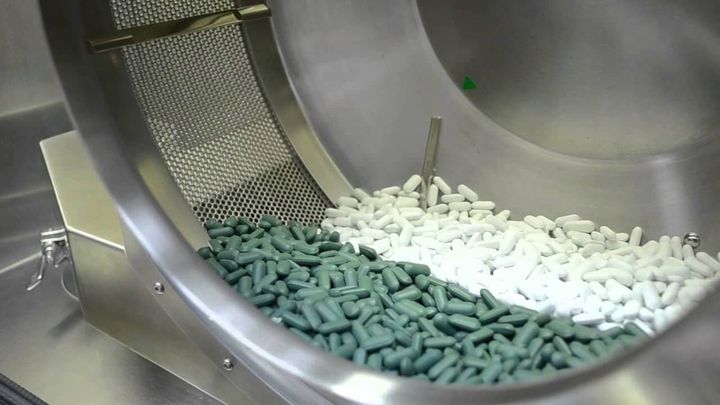
Tablet coating machines are specialized pharmaceutical machines used to apply a thin, uniform layer of coating material to the surface of tablets. This coating may be functional—such as controlled-release layers—or simply protective, decorative, or taste-masking.
Coating exists because tablets often need additional protection from moisture, air, light, or mechanical stress. In many cases, the coating helps improve patient experience by making tablets easier to swallow or masking bitter tastes. Coating also allows manufacturers to differentiate products through color, texture, or printed markings.
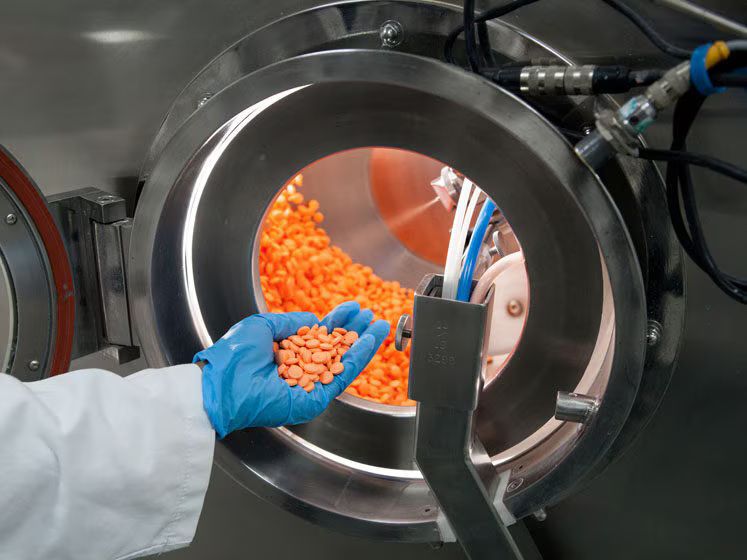
The most common coating processes include film coating, sugar coating, enteric coating, and controlled-release coating. Modern machines automate these processes to ensure accuracy, consistency, and efficiency.
Importance – Why Tablet Coating Matters Today
Tablet coating plays an important role in pharmaceutical manufacturing and contributes to overall product safety and usability.
Who It Helps
-
Pharmaceutical companies
-
Nutraceutical producers
-
Patients and consumers
-
Healthcare professionals
-
Research laboratories
Key Problems Tablet Coating Helps Solve
-
Protects tablets from environmental factors
-
Prevents tablet-to-tablet sticking during packaging
-
Enhances tablet strength and mechanical durability
-
Improves swallowing comfort
-
Masks unpleasant tastes or odors
-
Controls how and where the tablet dissolves in the body
-
Ensures consistent appearance for branding and product identification
As tablet consumption remains high globally, coating machines continue to be essential in maintaining quality standards and supporting advanced drug delivery systems.
Recent Updates – Trends and Innovations (2024–2025)
The pharmaceutical industry has seen significant innovations in coating machine technology, aiming to enhance efficiency, precision, and regulatory compliance.
Energy-Efficient Coating Systems (2024)
New designs reduce energy consumption by improving airflow distribution and optimizing heating elements. This trend supports sustainability initiatives across manufacturing facilities.
Smart Sensors and Automated Monitoring (2024–2025)
Advanced sensor systems now monitor coating thickness, spray patterns, and temperature in real time, reducing human error and improving uniformity.
High-Efficiency Spray Guns
Improved nozzle designs enhance atomization, reduce clogging, and minimize coating waste.
IoT and Digital Connectivity
More machines now offer:
-
Remote monitoring
-
Predictive maintenance alerts
-
Digital batch reporting
-
Integration with MES and ERP systems
New Coating Materials
Recent developments include:
-
Eco-friendly solvent-free coatings
-
Better enteric polymers for precision release
-
Improved taste-masking formulations
Faster Batch Changeover Systems
Manufacturers have introduced modular pan designs and simplified cleaning systems to reduce downtime and support multi-product manufacturing environments.
These developments reflect the industry’s push for automation, sustainability, and improved product reliability.
Laws or Policies – Regulations Affecting Tablet Coating Operations
Tablet coating is a highly regulated process, especially in the pharmaceutical and nutraceutical industries.
Good Manufacturing Practices (GMP)
Most countries follow GMP regulations issued by:
-
US FDA
-
European Medicines Agency (EMA)
-
WHO
-
India’s CDSCO
-
Other national regulatory authorities
GMP standards require:
-
Cleanable and contamination-resistant equipment
-
Batch documentation
-
Controlled environmental conditions
-
Validation of coating processes
-
Operator training
Material Compliance Regulations
Coating formulations must comply with:
-
FDA-approved excipients
-
EU food and pharmaceutical additive directives
-
Restrictions on solvent use
Workplace Safety Guidelines
Operators must follow:
-
OSHA machine safety rules
-
Proper ventilation standards
-
Handling guidelines for solvents and fine particulates
Environmental Regulations
Facilities may need to comply with:
-
VOC (Volatile Organic Compound) emission limits
-
Waste disposal rules
-
Energy-efficiency recommendations
These regulations ensure the coating process remains safe, consistent, and environmentally responsible.
Tools and Resources – Helpful Support for Tablet Coating Operations
A variety of tools and resources improve coating efficiency and support quality assurance.
Operational Tools
-
Spray gun calibration kits
-
Coating thickness measurement tools
-
Airflow testers
-
Pan inspection and cleaning tools
-
Temperature and humidity monitors
Software and Digital Tools
-
Batch monitoring systems
-
Coating simulation software
-
Predictive maintenance platforms
-
Data-logging applications for process validation
Online Resources
-
Regulatory compliance guides
-
Manufacturer training videos
-
Coating material databases
-
Scientific publications on fluid dynamics and coating uniformity
Templates and Planning Tools
-
SOP templates for coating operations
-
Checklist for machine inspection
-
Batch record sample sheets
-
Cleaning validation templates
These tools help operators maintain accuracy, reduce downtime, and ensure compliance with industry standards.
Tablet Coating Machine Types and How They Improve Tablet Quality
Traditional Coating Pans
These pans rotate tablets while a coating solution is applied manually or through simple spraying systems.
Best Uses:
-
Basic film coating
-
Low-cost operations
-
Small-scale production
How They Improve Quality:
-
Provide even distribution of coating through tumbling
-
Allow flexible batch sizes
Perforated Coating Pans
These pans have perforated sides allowing heated air to flow through, improving drying efficiency.
Best Uses:
-
Medium to large batch production
-
Film and enteric coatings
How They Improve Quality:
-
Faster and more uniform drying
-
Improved surface finish
-
Reduced coating defects such as cracking or peeling
Fluidized Bed Coaters (Top Spray, Bottom Spray, Wurster Process)
These machines suspend tablets or pellets in controlled air streams while applying the coating material.
Best Uses:
-
Controlled-release coatings
-
Pellet and granule coating
-
Complex formulations
How They Improve Quality:
-
Superior coating uniformity
-
Precise control of coating thickness
-
Reduced risk of tablet damage
High-Efficiency Coating Systems
Modern automated systems designed for high-speed, large-scale production.
Best Uses:
-
Mass pharmaceutical manufacturing
-
Multilayer coating applications
How They Improve Quality:
-
Full automation for consistency
-
Real-time monitoring and adjustment
-
Reduced waste through efficient spray technology
Comparison Table: Tablet Coating Machine Types
| Machine Type | Best For | Key Quality Benefit |
|---|---|---|
| Traditional Pan | Small batches | Basic protective coatings |
| Perforated Pan | Pharma production | Uniform coating and drying |
| Fluidized Bed | Pellets & advanced coatings | High precision and uniformity |
| High-Efficiency Systems | Large facilities | Automation and consistency |
FAQs
Why do tablets need coating?
Coating protects tablets from moisture, enhances durability, improves taste, and supports controlled-release drug delivery.
Which coating machine is most used in pharmaceuticals?
Perforated coating pans and high-efficiency coaters are the most common in large-scale pharmaceutical production.
Can coating affect how a tablet dissolves?
Yes. Enteric and controlled-release coatings influence where and how quickly the tablet dissolves in the body.
How is coating quality measured?
Through visual inspection, thickness measurement, weight variation checks, and dissolution testing.
Do coating machines require special ventilation?
Yes. Proper ventilation and dust extraction systems ensure operator safety and prevent solvent accumulation.
Final Thoughts
Tablet coating machines play an essential role in enhancing the quality, stability, and effectiveness of tablets used worldwide. Whether for taste masking, protection, or advanced drug delivery, coating adds value to pharmaceutical and nutraceutical products. With ongoing innovations in automation, airflow control, and eco-friendly materials, coating technology continues to support safer, more reliable, and efficient manufacturing.